

The CLARITY Act, aimed at regulating digital assets, faces uncertainty as Senate leaders signal delays, complicating its chances amid election politics.
Washington DC, United States Jul 24, 2026 ALN: The cryptocurrency industry has been actively lobbying for the passage of the CLARITY Act for over a year and a half, a piece of legislation designed to establish a clear regulatory framework for digital assets. This framework aims to provide certainty to investors and companies operating in the cryptocurrency space, which has been characterized by regulatory ambiguity and a lack of cohesive guidelines. The CLARITY Act seeks to address these issues by categorizing blockchain technologies and digital tokens within the established norms of mainstream finance, thereby encouraging broader acceptance and integration of cryptocurrencies into the financial system.
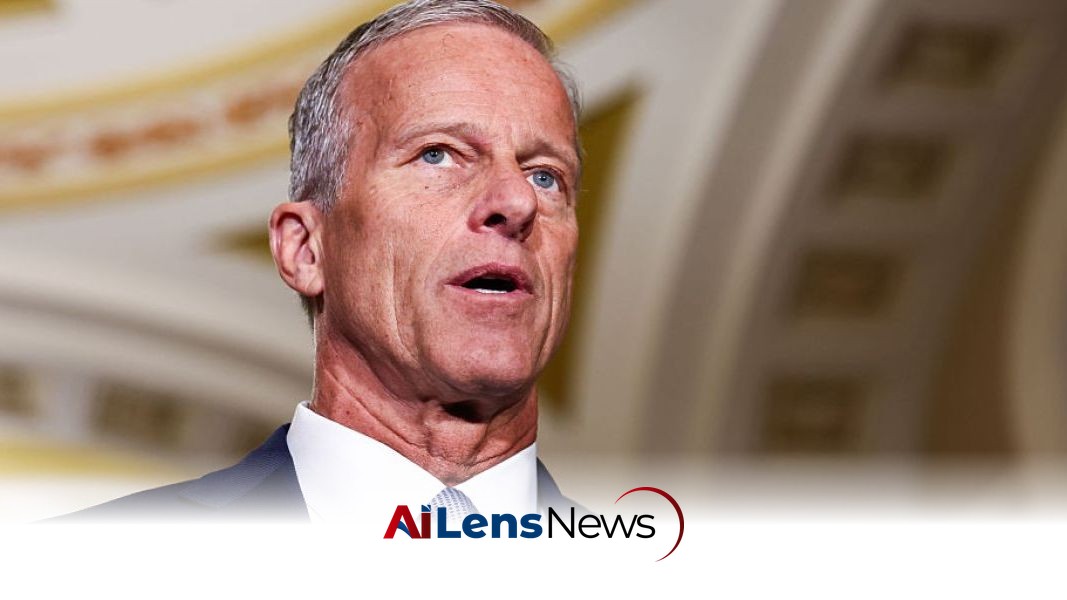
Until recently, optimism within the crypto sector regarding the bill's prospects had been high, particularly following a series of negotiations that resulted in compromises with traditional financial institutions and skeptics of the crypto market. However, this optimism was abruptly challenged when Senate Majority Leader John Thune (R-SD) announced that he did not foresee the Senate passing the bill before the August recess. This statement has cast a shadow over the bill's future, as the impending mid-term elections introduce an element of uncertainty that could further complicate legislative efforts.
Despite the legislative session still having time before the current Congress adjourns in early January, the political landscape is fraught with challenges. The mid-term elections, which are expected to dominate the political discourse, may sideline the CLARITY Act as lawmakers prioritize their campaign messaging and the pressing issues associated with the elections. Prediction markets reflect this pessimism, with the odds of the CLARITY Act passing dropping significantly from over 80% in the spring to around 37% as of last Friday on platforms like Polymarket.
Support for the CLARITY Act is noted to be bipartisan, with many lawmakers recognizing the potential benefits of a structured approach to cryptocurrency regulation. However, the legislative process has been complicated by the connections between former President Donald Trump and the cryptocurrency market. Reports indicate that Trump's involvement with crypto has yielded substantial financial gains for his family, raising concerns among Democratic lawmakers about potential conflicts of interest. This situation has prompted calls for ethical provisions to be included in the CLARITY Act, aimed at preventing elected officials from profiting from cryptocurrency ventures.
Initially, the inclusion of such provisions appeared unlikely, especially given Trump's vocal opposition to them. However, recent developments suggest a shift in the Republican stance, leading to a new draft of the bill that seeks to incorporate measures to limit crypto profits for elected officials. Critics have raised concerns that these provisions may contain loopholes, which could undermine their intended purpose and effectiveness.
The legislative process surrounding the CLARITY Act is currently at a standstill, with the precise language of the bill still being debated. Ron Hammond, head of Policy and Advocacy at the crypto firm Wintermute, has pointed out that the situation has been further complicated by a directive from Senate Minority Leader Chuck Schumer (D-NY). Schumer's directive encourages Democrats to focus their mid-term messaging on Trump and allegations of corruption, which may discourage bipartisan support for the crypto bill.
Hammond, who has extensive experience in crypto politics in Washington, D.C., has suggested that the delay announced by Thune reflects a successful strategy employed by banks and other opponents of cryptocurrency to prolong the debate over the CLARITY Act, thereby stalling its passage. Despite these setbacks, Hammond remains cautiously optimistic, suggesting that while election-related politics are currently dominant, they may subside after November, potentially opening a narrow window for the bill's passage.
As the outgoing Congress approaches its conclusion in early January, it is typical for a flurry of bills to be passed. However, significant legislative priorities, particularly regarding government funding and national defense, loom large on the agenda. This situation raises concerns that the CLARITY Act could be overshadowed by these competing issues, further diminishing its chances of becoming law.
The political landscape for cryptocurrency may experience a significant shift following the November elections. Should Democrats gain control of the House of Representatives and make gains in the Senate, the dynamics surrounding the CLARITY Act could change dramatically. A Democratic majority might pursue a more cautious approach to cryptocurrency regulation, influenced by their concerns regarding ethical standards and the potential for conflicts of interest.
In conclusion, the future of the CLARITY Act hangs in a precarious balance, influenced by both the immediate political climate and the broader implications of regulatory frameworks for the cryptocurrency industry. As stakeholders in the crypto space continue to advocate for clear and supportive legislation, the evolving political dynamics will undoubtedly play a critical role in shaping the trajectory of cryptocurrency regulation in the United States.
The outcome of the CLARITY Act will not only affect those directly involved in cryptocurrency but also has the potential to influence the larger financial landscape, as the integration of digital assets into mainstream finance continues to be a topic of considerable debate. The implications of this legislation extend beyond the immediate concerns of regulation, touching upon issues of innovation, economic growth, and the ethical considerations of financial governance in an increasingly digital world.
To understand the broader context of the CLARITY Act, it is essential to consider the rapid evolution of the cryptocurrency market over the past decade. The rise of Bitcoin and other digital currencies has prompted discussions about how these assets fit into existing financial regulations. As cryptocurrencies have gained popularity, so too have concerns regarding their use in illicit activities, market volatility, and investor protection. These issues highlight the need for a regulatory framework that can both foster innovation and ensure consumer safety.
The CLARITY Act aims to provide such a framework by clearly defining what constitutes a digital asset and establishing guidelines for their use and trade. Proponents argue that clarity in regulation could lead to increased institutional investment in the crypto market, as firms would have a better understanding of the legal landscape and the associated risks. This, in turn, could lead to greater market stability and consumer confidence.
However, the path to regulatory clarity is fraught with challenges. The diverse nature of cryptocurrencies and blockchain technology means that a one-size-fits-all approach may not be effective. Different digital assets may require tailored regulations that address their unique characteristics and use cases. Additionally, as the technology continues to evolve, regulators face the task of keeping pace with innovations while ensuring that regulations remain relevant and effective.
The potential impact of the CLARITY Act extends beyond the United States. As other countries grapple with their own regulatory approaches to cryptocurrencies, the U.S. legislative framework could serve as a model or cautionary tale for international regulators. A well-structured regulatory environment could position the U.S. as a leader in the global cryptocurrency market, attracting talent and investment. Conversely, excessive regulation could drive innovation and investment overseas, undermining the U.S.'s competitive edge in this burgeoning industry.
In the coming months, as the political landscape shifts and the implications of the mid-term elections unfold, stakeholders in the cryptocurrency industry will be closely monitoring developments related to the CLARITY Act. The outcome of this legislation could have lasting effects not only on the future of digital assets in the U.S. but also on the broader financial ecosystem as it adapts to the realities of an increasingly digital economy.
To learn more about the latest developments in Politics, stay updated with our exclusive reports and analyses on AiLensNews.

