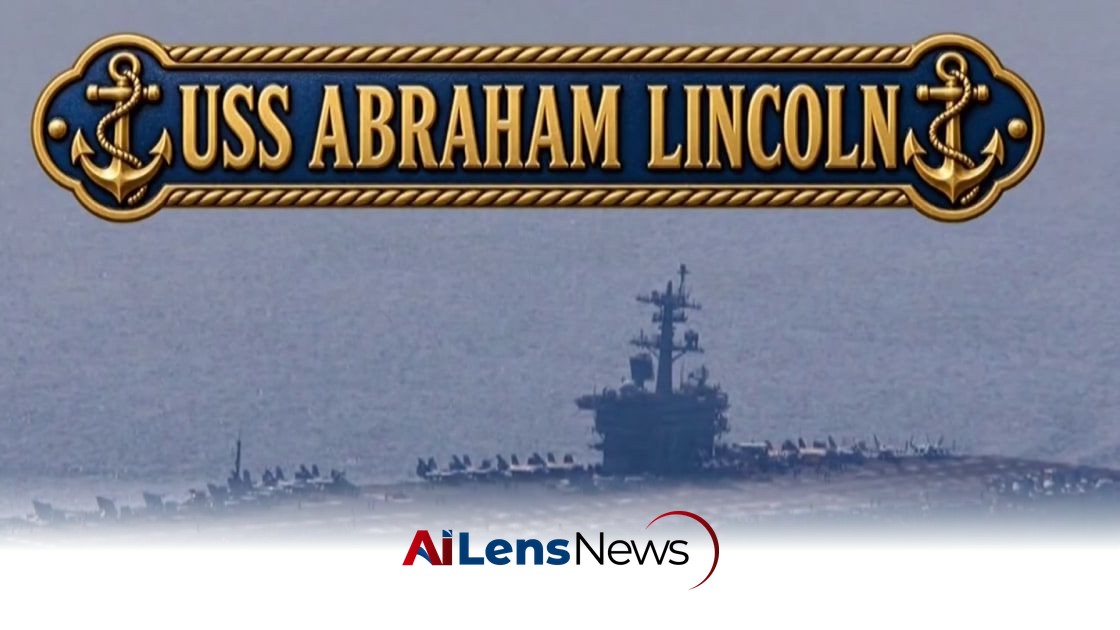



Reports of low morale and supply shortages aboard the USS Abraham Lincoln have raised concerns among sailors' families, with one parent highlighting her son's feelings of powerlessness.
Washington DC, United States Aug 14, 2026 ALN: Growing concerns are emerging over conditions aboard the USS Abraham Lincoln as sailors and families report low morale, supply shortages, and months without a port call. In an interview with NBC News’ Tom Llamas, one parent calls for answers, saying her son feels a sense of “powerlessness” while serving aboard the carrier.
The USS Abraham Lincoln, a Nimitz-class aircraft carrier, has been deployed for an extended period, leading to increasing anxiety among the families of the sailors. Reports indicate that many crew members are struggling with the lack of resources and support, which has contributed to a decline in morale. This situation is particularly concerning given the critical role that morale plays in the operational effectiveness of military personnel.
Families are voicing their concerns, urging the Navy to address the issues faced by their loved ones. The parent interviewed expressed frustration over the situation, emphasizing that sailors deserve better conditions and support during their service. The emotional toll on families cannot be understated, as they often bear the burden of worry for their loved ones who are away for extended periods, especially under challenging conditions.
As the USS Abraham Lincoln continues its mission, the Navy faces pressure to ensure the well-being of its personnel and to provide necessary resources to maintain morale and operational effectiveness. The importance of addressing these concerns is underscored by the ship's storied history, having been involved in numerous military operations and humanitarian missions since its commissioning in 1989. However, the current deployment has raised alarm bells regarding the treatment and conditions of the sailors aboard, marking a troubling chapter in its legacy.
One significant issue affecting morale is the extended deployment duration. The Navy typically aims to maintain a deployment cycle that allows for regular port calls, which serve as crucial breaks for sailors. These breaks allow personnel to rest, recuperate, and connect with family and friends. However, the USS Abraham Lincoln has reportedly gone months without a port call, leading to feelings of isolation and stress among the crew. The absence of these essential breaks can lead to burnout and a decline in mental health, which can have lasting effects on service members even after they return home.
Supply shortages have also been a critical concern. Sailors have reported difficulties in accessing basic necessities, including food, hygiene products, and recreational materials. The lack of adequate supplies can severely impact the daily lives of sailors, leading to frustration and discontent. Such shortages not only affect physical well-being but can also have psychological ramifications, contributing to a sense of helplessness among the crew. The Navy’s ability to ensure that sailors have access to the essentials is fundamental to maintaining a functional and effective military force.
Low morale among sailors can have serious implications for operational readiness and effectiveness. When personnel are stressed or unhappy, it can lead to decreased productivity, increased errors, and a higher likelihood of accidents. This is particularly concerning on a vessel like the USS Abraham Lincoln, where the stakes are high, and the margin for error is slim. The Navy must address these issues promptly to ensure that sailors remain focused and capable of performing their duties effectively. The operational readiness of the ship is not only a matter of military strategy but also a reflection of the Navy’s commitment to its personnel.
The families of sailors play a crucial role in supporting their loved ones during deployments. When families express concern over the treatment and conditions of their sailors, it underscores the need for the Navy to communicate transparently about the challenges faced. Families often provide emotional support, and when they are worried about their loved ones’ well-being, it can create additional stress for the sailors themselves. This interconnectedness highlights the importance of maintaining open lines of communication between the Navy and the families of its personnel.
In recent years, the Navy has made efforts to improve the quality of life for sailors, including initiatives aimed at enhancing mental health resources and ensuring access to necessary supplies. However, the current situation aboard the USS Abraham Lincoln suggests that more work is needed to address the unique challenges faced during extended deployments. The Navy has historically been responsive to issues raised by sailors and their families, but the effectiveness of these initiatives is called into question when reports of low morale and supply shortages emerge.
Moreover, the Navy's leadership is under scrutiny as they navigate these concerns. The pressure to maintain operational readiness while ensuring the welfare of personnel is a delicate balance. Commanders are tasked with making difficult decisions regarding deployments and resource allocation, and the feedback from sailors and their families is essential in guiding these decisions. The leadership must prioritize the needs of the crew and ensure that their voices are heard in discussions about deployment strategies and resource management.
The implications of low morale and inadequate conditions aboard the USS Abraham Lincoln extend beyond the immediate crew. The Navy's reputation and its ability to recruit and retain sailors can be affected by how it handles such situations. Potential recruits often consider the experiences of current and former service members when deciding to join the military. Ensuring that sailors are treated with respect and provided with the resources they need is critical for maintaining a healthy force. The long-term sustainability of the Navy relies on its ability to attract and retain talented individuals who are willing to serve their country.
As the USS Abraham Lincoln continues its mission, the Navy must prioritize addressing the concerns raised by sailors and their families. This includes ensuring that supply chains are robust enough to meet the needs of the crew and providing opportunities for sailors to connect with their families during deployments. Additionally, the Navy should enhance its communication strategies to keep families informed about the conditions aboard the ship and the steps being taken to improve morale. Regular updates and transparent communication can help alleviate some of the anxiety experienced by families and provide them with a sense of connection to their loved ones.
Ultimately, the well-being of sailors is paramount, not only for their personal health but also for the effectiveness of the Navy as a whole. Addressing these concerns is not just a matter of improving morale; it is about ensuring that the men and women serving on the USS Abraham Lincoln are equipped and supported to carry out their vital mission with the honor and professionalism that the Navy expects. The commitment to the welfare of sailors must be reflected in actions and policies that prioritize their needs, thereby fostering a culture of support and resilience within the Navy.
To learn more about the latest developments in Crime & Law, stay updated with our exclusive reports and analyses on AILensNews.

