

More
Checking your session
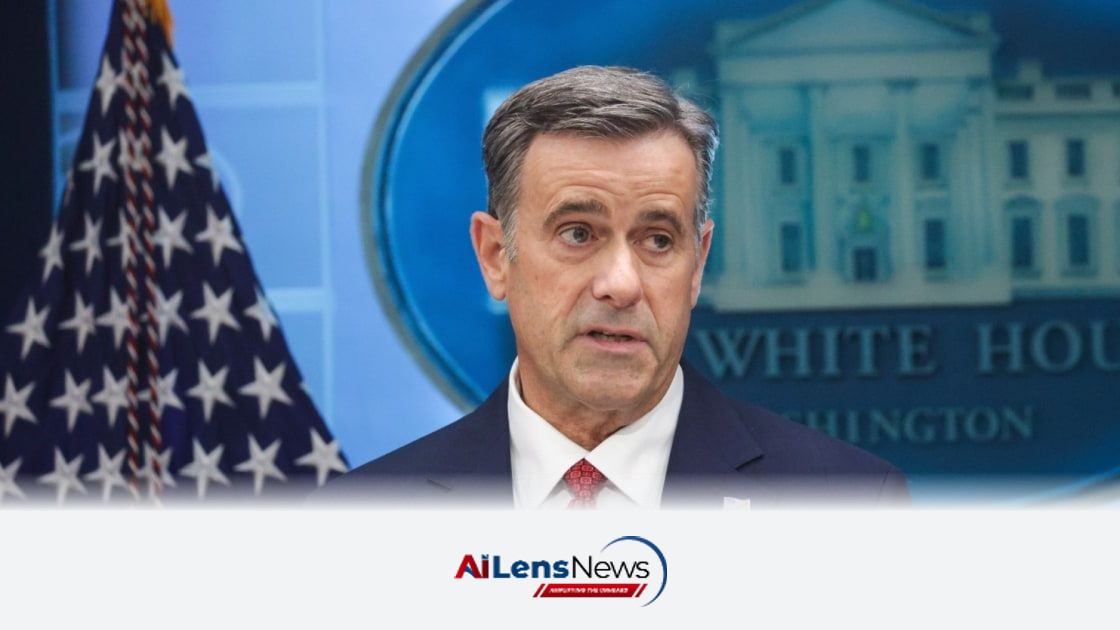



During a recent visit to Moscow, CIA Director John Ratcliffe requested that Russia's top spy chief refrain from sharing intelligence that could be detrimental to U.S. interests with Iran.
Washington DC, United States Aug 28, 2026 ALN: In a significant diplomatic move, CIA Director John Ratcliffe met with Russia's top intelligence official to discuss critical security concerns. The meeting, which took place in Moscow, underscored the ongoing tensions between the United States and Iran, particularly regarding intelligence sharing.
During the discussions, Ratcliffe explicitly requested that Russia refrain from sharing any intelligence that could potentially be used against the United States by Iran. This request highlights the delicate balance of international relations and the complexities involved in intelligence operations.
The backdrop of this meeting is marked by heightened geopolitical tensions. The U.S. has been closely monitoring Iran's activities, particularly its nuclear program and regional influence. The Iranian nuclear program has been a focal point of international concern, especially since the U.S. withdrawal from the Joint Comprehensive Plan of Action (JCPOA) in 2018. This agreement was designed to limit Iran's nuclear capabilities in exchange for sanctions relief, but since the U.S. exit, Iran has progressively rolled back its commitments, raising alarms about its potential to develop nuclear weapons.
Ratcliffe's appeal to Russia reflects a broader strategy to mitigate threats from Iran, which the U.S. perceives as a significant adversary. The Iranian regime has been involved in various regional conflicts, supporting groups like Hezbollah in Lebanon and militias in Iraq and Syria, which pose direct threats to U.S. interests and allies in the region. This context amplifies the urgency of Ratcliffe's request and illustrates the multifaceted nature of U.S. intelligence concerns.
This request could have implications for U.S.-Russia relations, which have been strained in recent years. The relationship has been characterized by mutual suspicion, particularly following events such as Russia's annexation of Crimea in 2014 and its alleged interference in the 2016 U.S. presidential election. While both nations have their own interests, the potential for collaboration on intelligence matters may be limited by their differing geopolitical goals.
Russia's relationship with Iran is particularly complex. Iran and Russia have cultivated a partnership, especially in military and economic domains, largely due to their shared interests in Syria, where both countries have supported the regime of Bashar al-Assad. This collaboration complicates the dynamics of Ratcliffe's request, as Russia may weigh its interests in maintaining a favorable relationship with Iran against the potential benefits of cooperating with the U.S. on intelligence matters.
Reactions to Ratcliffe's request are likely to vary. Analysts suggest that while Russia may be inclined to cooperate on certain issues, its relationship with Iran complicates the dynamics. The extent to which Russia will heed the CIA's request remains to be seen. Some experts argue that Russia may view the U.S. request as an opportunity to assert its influence in the region, while others believe it may lead to further entrenchment of Russian-Iranian ties.
The U.S. intelligence community has long been focused on the intricate web of alliances and enmities that define Middle Eastern geopolitics. As the situation evolves, the U.S. will continue to monitor Iran's actions closely, while also navigating its relationship with Russia. The outcome of these discussions could influence future intelligence-sharing protocols and international security strategies.
Moreover, the implications of this meeting extend beyond just U.S.-Russia relations. It also raises questions about the broader international community's approach to Iran. European nations, which have been more inclined to engage diplomatically with Iran, may view this U.S. stance as a potential obstacle to their efforts to revive the JCPOA or to negotiate new terms. The U.S. request could further polarize the international response to Iran, complicating diplomatic efforts that seek to balance security concerns with the need for dialogue.
In conclusion, Ratcliffe's meeting in Moscow serves as a reminder of the intricate web of international relations and the ongoing challenges faced by the U.S. in its efforts to safeguard national security. As countries navigate their interests in a rapidly changing geopolitical landscape, the balance of power, intelligence sharing, and diplomatic engagement will continue to shape the future of U.S. relations with both Russia and Iran. The outcomes of such high-stakes discussions are critical not only for the involved nations but also for global stability and security.
To learn more about the latest developments in World News & International Affairs, stay updated with our exclusive reports and analyses on AILensNews.

A new roadmap has been established through international mediation to implement …

Tim Cook announces Apple's donation to aid flood relief and rebuilding efforts i…

The death toll from the devastating floods in Nepal and Tibet has risen to over …

Rescue efforts in Nepal are on hold as officials report rising water levels in a…

Qatar has welcomed the inaugural field verification mission of the Expanded Join…