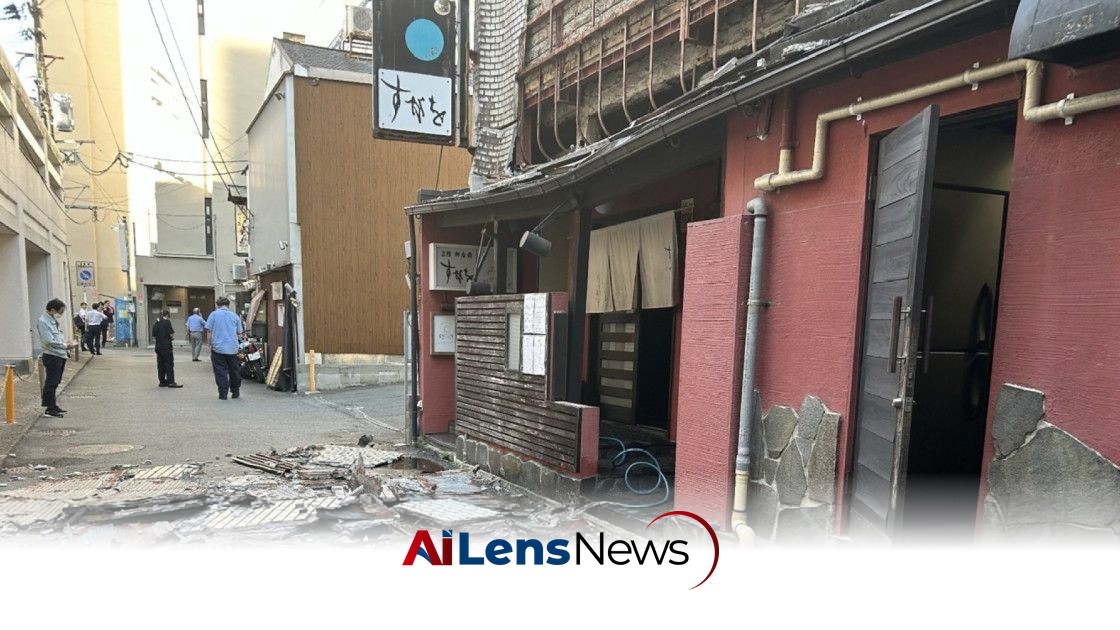


A powerful earthquake measuring 7.1 struck southern Japan, leading to extensive damage and prompting emergency responses.
Washington DC, United States Jul 28, 2026 ALN: The Japan Meteorological Agency reported a major earthquake that struck southern Japan, registering a preliminary magnitude of 7.1 and occurring at a depth of just over 6 miles. This seismic event was classified at the highest end of the seismic intensity scale, indicating its potential for severe impact. Earthquakes of this magnitude are significant not only due to their immediate destructive capabilities but also because they can trigger a series of aftershocks that may further complicate recovery efforts.
Japan is located in one of the most seismically active regions in the world, sitting at the junction of several tectonic plates, including the Pacific Plate, Philippine Sea Plate, and the Eurasian Plate. This geographical positioning makes it susceptible to earthquakes, with the country experiencing thousands of tremors each year, many of which go unnoticed by the general population. However, earthquakes that reach a magnitude of 7.0 or higher are relatively rare, and they can have devastating effects on infrastructure, homes, and lives. Historically, Japan has seen some of the most catastrophic earthquakes, such as the Great East Japan Earthquake in 2011, which resulted in widespread destruction and loss of life, as well as a nuclear disaster at Fukushima Daiichi Nuclear Power Plant.
Initial reports indicate that the earthquake has caused significant damage in various regions, with buildings affected and emergency services mobilized to assess the situation. The impact of such a powerful quake can vary widely depending on the proximity to the epicenter, local building codes, and the preparedness of the community. In urban areas, where buildings are often densely packed, the potential for widespread destruction increases. Reports from local authorities are crucial in determining how many structures have been compromised and whether there have been any casualties. Emergency services are likely to prioritize areas where buildings have collapsed or where there is a high risk of further structural failure.
In the aftermath of the quake, the Japan Meteorological Agency has urged residents to remain vigilant and prepared for aftershocks, which are common following such powerful quakes. Aftershocks can occur minutes, hours, or even days after the initial event, and they can be strong enough to cause additional damage to already weakened structures. This period can be particularly dangerous for those who may underestimate the risk of subsequent tremors. The agency's warnings serve as a reminder of the unpredictable nature of seismic activity and the importance of adhering to safety protocols during such times.
Authorities are currently conducting assessments to determine the extent of the damage and to ensure the safety of residents. Emergency response teams have been deployed to the hardest-hit areas to provide assistance and support. This includes search and rescue operations, medical assistance for those injured, and the distribution of essential supplies such as food, water, and temporary shelter for those displaced by the quake. The coordination of these efforts is vital, as timely assistance can significantly reduce the impact of the disaster on affected communities. Local governments often work in tandem with national agencies to streamline the response and ensure that resources are allocated efficiently.
The Japanese government has a well-established disaster response framework, which includes regular drills and public education campaigns to prepare citizens for seismic events. Schools, businesses, and local governments participate in these drills to ensure that everyone knows what to do in the event of an earthquake. However, even with extensive preparation, the scale of destruction from a 7.1 magnitude earthquake can overwhelm local resources, necessitating additional support from national and international agencies. The collaborative efforts between local and national entities play a crucial role in the effectiveness of the response, highlighting the importance of community resilience in the face of disasters.
As the situation develops, updates will be provided regarding the impact of the earthquake and any necessary safety measures residents should take. The government will likely issue guidelines on how to stay safe during aftershocks and may implement evacuation orders for particularly vulnerable areas. Additionally, there may be discussions regarding infrastructure improvements and building regulations to enhance earthquake resilience in the future. In recent years, Japan has invested heavily in earthquake-resistant technologies and building practices, which have proven effective in mitigating damage during seismic events. However, the challenge remains to ensure that older structures are retrofitted to withstand such forces.
In the days following the earthquake, it will be important to monitor the health of the affected population, as natural disasters can lead to a range of health issues, including mental health challenges stemming from trauma and loss. Access to medical care for both physical and psychological support will be critical in the recovery process. Mental health services may be particularly crucial in the aftermath of the quake, as individuals and families cope with the emotional toll of loss and displacement. Community support systems and counseling services will play an important role in helping residents navigate their recovery.
Furthermore, the economic implications of the earthquake could be profound. Damage to infrastructure can disrupt transportation, commerce, and essential services, leading to a ripple effect throughout the economy. The cost of rebuilding and recovery can be substantial, and it may take years for affected areas to fully restore their former levels of activity. Government and private sector investment in recovery efforts will be essential to facilitate a return to normalcy and to support the long-term resilience of communities. Economic recovery strategies will likely focus on rebuilding infrastructure, restoring services, and providing support to businesses affected by the disaster.
In conclusion, the 7.1 magnitude earthquake that struck southern Japan serves as a stark reminder of the natural forces that can impact human life and infrastructure. As the nation responds to this disaster, the resilience and preparedness of its people will be put to the test. The coming days will reveal not only the extent of the physical damage but also the strength of community bonds and the effectiveness of emergency response systems in place. The situation will continue to evolve, and ongoing updates will be critical for ensuring the safety and recovery of affected residents. As Japan has demonstrated in the past, the ability to learn from each seismic event can lead to improved safety measures and a more prepared populace, ultimately reducing the impact of future earthquakes.
To learn more about the latest developments in Crime & Law, stay updated with our exclusive reports and analyses on AiLensNews.

