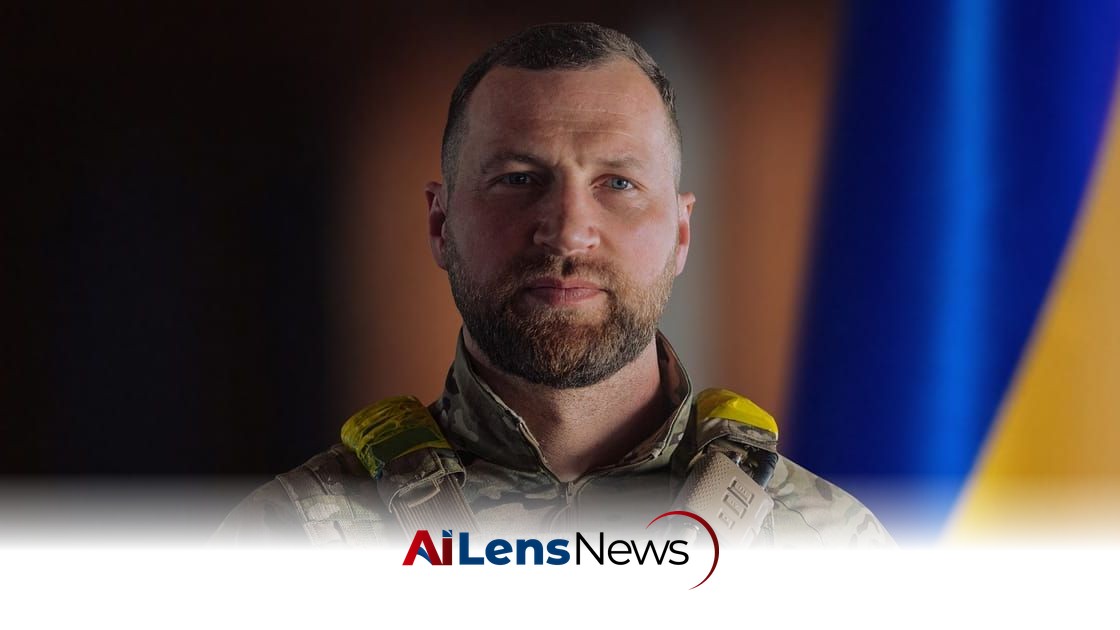


President Zelenskyy announces Yevhenii Khmara as the new acting defense minister following the dismissal of Mykhailo Fedorov amid military reforms.
London, United Kingdom Jul 16, 2026 ALN: Ukrainian President Volodymyr Zelenskyy announced on Thursday that Yevhenii Khmara, the head of the country's security services, will be appointed as the acting defense minister. This development marks a significant shift in Ukraine's military leadership at a time when the nation is engaged in an ongoing conflict that has necessitated rapid adaptations in its defense strategies. The appointment comes as the country grapples with the complexities of modern warfare, which has been characterized by a blend of conventional military engagements and asymmetric tactics.
Khmara has been serving as the acting head of the Security Service of Ukraine since the beginning of this year. His appointment as acting defense minister is contingent upon his retirement from military service, which is expected to occur in the coming days. Under Ukrainian law, an individual cannot hold both positions simultaneously, necessitating this transition. This legal stipulation reflects the broader governance framework in Ukraine, which seeks to maintain a separation of powers and responsibilities among different branches of the military and security services. Such a structure is intended to ensure that military actions are aligned with national security objectives and that oversight mechanisms are in place to prevent abuses of power.
In a statement on social media, President Zelenskyy expressed confidence in Khmara's abilities, stating, "I have tasked Yevhenii Khmara with serving as acting minister, continuing to reform the defense sector, and ensuring that Ukraine achieves all of the results we have discussed." This statement underscores the urgency and importance of the role Khmara is stepping into, as Ukraine faces ongoing challenges in its defense operations. The emphasis on reform indicates a recognition of the need to adapt military structures and strategies in response to the evolving nature of the conflict, especially as Ukraine continues to confront threats from foreign adversaries.
Zelenskyy also highlighted Khmara's extensive experience with technological combat operations, noting that this experience is critical for Ukraine's defense efforts during the current war. The emphasis on technological advancements in military operations reflects a broader trend in modern warfare, where technology plays a crucial role in enhancing combat effectiveness and operational efficiency. As Ukraine continues to face threats, particularly from foreign adversaries, the integration of advanced technologies into its defense strategy has become increasingly vital. This focus on technology is not only about acquiring advanced weaponry but also involves improving logistics, communications, and intelligence capabilities.
The announcement of Khmara's appointment follows the dismissal of former Defense Minister Mykhailo Fedorov, who was removed from his position on Wednesday as part of a cabinet reshuffle. Fedorov, who was only 35 years old, had held the post for just six months. His tenure was marked by efforts to reform the military's technological capabilities, but he faced significant challenges, including reported clashes with top generals. These conflicts highlighted potential issues within the military hierarchy and raised questions about the effectiveness of leadership in navigating the complexities of Ukraine's defense needs. The rapid turnover in leadership may also reflect the high-stakes environment in which Ukrainian officials operate, where the pressures of ongoing conflict can lead to swift decisions regarding personnel.
Fedorov's removal signifies a critical moment for the Ukrainian government as it seeks to strengthen its military leadership amid ongoing conflict. The reshuffle suggests that the Zelenskyy administration is prioritizing a more cohesive and collaborative approach to military leadership, which may be necessary for effective decision-making in high-stakes scenarios. The ability to unify different branches of the military and security forces under a common strategy is essential for operational success, particularly in a context where coordination can mean the difference between victory and defeat.
As Khmara prepares to take on the role of acting defense minister, his background in the Security Service may provide him with unique insights into the threats facing Ukraine. The Security Service of Ukraine plays a pivotal role in national security, intelligence gathering, and counterintelligence operations. Khmara's experience in this domain could facilitate a more integrated approach to defense, combining intelligence with military operations to enhance Ukraine's overall security posture. This integration is particularly important in the current conflict, where information warfare and cyber operations are increasingly prevalent.
This change in leadership comes at a critical time for Ukraine as it continues to navigate the complexities of its defense strategy amidst ongoing conflict. The appointment of Khmara is viewed as a strategic move to bolster the military's technological capabilities and enhance operational efficiency. The ongoing war has underscored the importance of adapting military strategies to meet evolving threats, and Khmara's focus on technology may align with broader defense initiatives aimed at modernizing Ukraine's military forces. Such modernization efforts are crucial for ensuring that Ukraine can effectively counteract the advanced military capabilities of its adversaries.
In recent years, Ukraine has faced numerous challenges, including the annexation of Crimea by Russia in 2014 and ongoing hostilities in the eastern regions of the country. These events have prompted a reevaluation of Ukraine's defense policies and a push for modernization and reform. The appointment of leaders who prioritize technological advancements reflects a recognition of the need to adapt to contemporary warfare, where information warfare, cyber capabilities, and advanced weaponry play crucial roles. The lessons learned from past conflicts have highlighted the necessity for Ukraine to invest in both human capital and technological resources to build a resilient defense structure.
Moreover, the leadership changes within the Ukrainian military are indicative of a broader trend in governance and military reform. The Zelenskyy administration has been vocal about its commitment to transparency, accountability, and modernization within the armed forces. As Ukraine continues to seek support from international partners and allies, demonstrating effective leadership and a clear vision for military reform will be essential in garnering continued assistance and cooperation. The international community is closely monitoring Ukraine's military developments, and a stable leadership structure may play a pivotal role in securing ongoing military and financial support.
As the situation evolves, the implications of Khmara's appointment will be closely watched by both domestic and international observers. The success of his tenure as acting defense minister will likely depend on his ability to navigate the complexities of military leadership, foster collaboration among military leaders, and implement effective reforms that enhance Ukraine's defense capabilities. The challenges ahead are significant, and Khmara's ability to unify various factions within the military and security services will be critical in ensuring a cohesive response to the ongoing conflict.
In conclusion, the appointment of Yevhenii Khmara as interim defense minister reflects a pivotal moment in Ukraine's ongoing efforts to strengthen its military leadership and enhance its defense strategy. With the backdrop of ongoing conflict and the need for modernization, Khmara's experience and focus on technological advancements may play a crucial role in shaping the future of Ukraine's military operations. The coming months will be crucial as Khmara seeks to implement reforms and adapt Ukraine's defense posture in a rapidly changing security environment, with the hope of achieving stability and resilience in the face of ongoing challenges.
To learn more about the latest developments in Politics, stay updated with our exclusive reports and analyses on AiLensNews.

