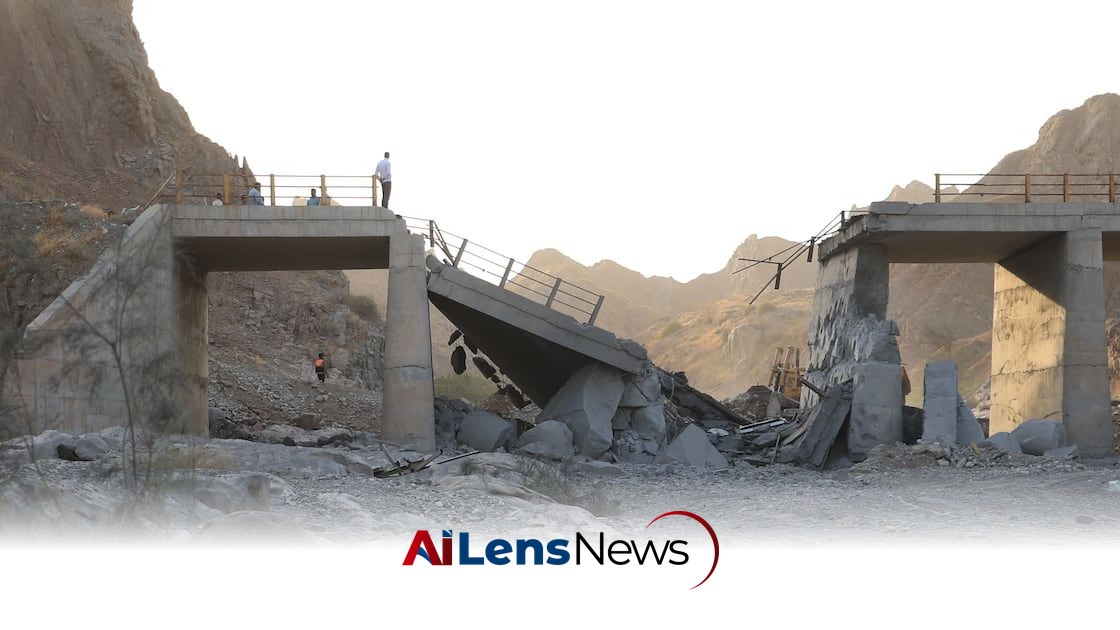


In retaliation for the deaths of two US troops, the US military has launched strikes against Iran's Revolutionary Guard, escalating tensions in the region.
London, United Kingdom Jul 19, 2026 ALN: The United States has recently escalated its military actions against Iran’s Revolutionary Guard Corps (IRGC) in response to a series of attacks that have resulted in the deaths of two US troops and the disappearance of another in Jordan. This retaliation marks a significant shift in US-Iran relations, which have been fraught with tension for several years, particularly in the context of US military presence in the Middle East and Iran's activities in the region.
The backdrop to this escalation includes a long history of hostilities between the US and Iran, especially following the US's withdrawal from the Joint Comprehensive Plan of Action (JCPOA) in 2018 under former President Donald Trump. The withdrawal led to the reimposition of economic sanctions against Iran, which in turn has been linked to increased Iranian aggression in the region, including attacks on US allies and interests. The current situation is further complicated by the strategic importance of the Strait of Hormuz, through which a significant percentage of the world's oil supply is transported.
In recent weeks, Iranian forces have reportedly initiated a series of aggressive actions against US allies, including drone and missile strikes targeting military installations and critical infrastructure. These assaults have raised alarms not only in the US but also among regional allies such as Kuwait and Jordan, who have found themselves increasingly vulnerable to Iranian military capabilities.
Following the fatalities of US personnel, the US military responded with strikes targeting multiple locations in Iran, including Qeshm Island and various southern Iranian cities such as Shadegan, Sirik, and Hajiabad. The US Central Command has indicated that these strikes were aimed at degrading the military capabilities of the IRGC, specifically targeting coastal surveillance and air defense facilities, as well as missile and drone storage sites. However, the exact impact of these strikes in terms of casualties and material damage has not been disclosed, leaving room for speculation about the effectiveness of the US response.
Kuwait, a close US ally, has faced significant repercussions from Iranian retaliation, with reports indicating that Iranian drones targeted a power and water desalination plant, leading to fires and operational disruptions. This incident marks the third attack in just as many days, highlighting the increasing risks to critical infrastructure in the region. The Kuwaiti military has been on high alert, activating air defenses in response to threats of incoming Iranian drones and missiles, amidst accusations that Iran is intentionally targeting civilian sites.
Jordan has also been thrust into the spotlight due to the recent escalation. Initial confusion arose when the US embassy announced the evacuation of the airport and sea port in Aqaba due to a “specific and credible threat.” While Jordanian authorities initially denied any imminent danger, the country's military later confirmed the interception of three Iranian missiles aimed at its territory. This incident underscores the precarious security situation in the region and the potential for wider conflict.
Bahrain has similarly raised alarms, activating warning sirens and advising residents to seek shelter in anticipation of Iranian aerial attacks. These developments indicate that the conflict is not confined to US and Iranian forces but is affecting regional stability and security, with neighboring countries caught in the crossfire.
The US military's sustained campaign against Iranian forces has now entered its second week, following a series of strikes that have been characterized by the military as necessary to protect US personnel and interests in the region. The situation has been further complicated by Iran’s Supreme Leader, Mojtaba Khamenei, who has issued stern warnings about the consequences of continued US aggression, suggesting that the country is prepared to respond decisively if the attacks persist.
As tensions escalate, the Gulf Cooperation Council (GCC) has condemned Iran's actions, labeling them as “war crimes” and calling for international accountability. Jasem Mohamed al-Budaiwi, the secretary general of the GCC, has emphasized the need for a unified response to what he describes as a grave violation of international law. This condemnation reflects a growing concern among Gulf states regarding Iran's influence and military capabilities, as well as the potential for regional conflict to spill over into broader confrontations.
Reports have indicated that Iran has also targeted an oil facility in Kuwait, leading to injuries and significant material losses, as confirmed by the Kuwait Petroleum Corporation. This incident further illustrates the high stakes involved, as damage to energy infrastructure can have far-reaching implications for regional economies and global oil markets.
The IRGC has claimed responsibility for halting four ships attempting to transit the critical Strait of Hormuz, asserting that they successfully destroyed at least two US fighter aircraft during a missile and drone attack on a US base in Azraq, Jordan. These claims, while unverified, highlight the IRGC's willingness to engage in aggressive posturing and military action in response to perceived threats.
US Central Command has reiterated its commitment to degrading Iranian military capabilities, emphasizing that the strikes are part of a broader strategy to protect US interests and allies in the region. The military has reported successful hits on Iranian surveillance sites and military logistics infrastructure, although the full extent of the damage remains unclear.
As hostilities continue, the Iranian health ministry has reported significant casualties resulting from US strikes, claiming 50 deaths and over 500 injuries. This acknowledgment of losses suggests a potential shift in Iran's public narrative, as the government may seek to rally domestic support in the face of external aggression. The Iranian energy ministry has also recognized the impacts of US attacks on power infrastructure, calling on residents in southern provinces to conserve energy amid extreme heat conditions.
Major General Mohsen Rezaee, a senior military adviser to Iran’s supreme leader, has issued stark warnings about the potential for a full-scale offensive should US strikes continue. His statements indicate a willingness on Iran's part to escalate military operations beyond retaliatory measures, signaling a potential shift in strategy that could have dire implications for regional stability.
The ongoing conflict between the US and Iran, marked by a series of military strikes and retaliatory actions, underscores the fragility of security in the Middle East. As both sides engage in increasingly aggressive posturing, the potential for miscalculation or unintended escalation remains high, raising concerns about the possibility of a broader conflict that could draw in additional regional and global powers. The international community continues to watch the situation closely, as the implications of these developments could reshape the geopolitical landscape in the Middle East and beyond.
To learn more about the latest developments in World News & International Affairs, stay updated with our exclusive reports and analyses on AiLensNews.

