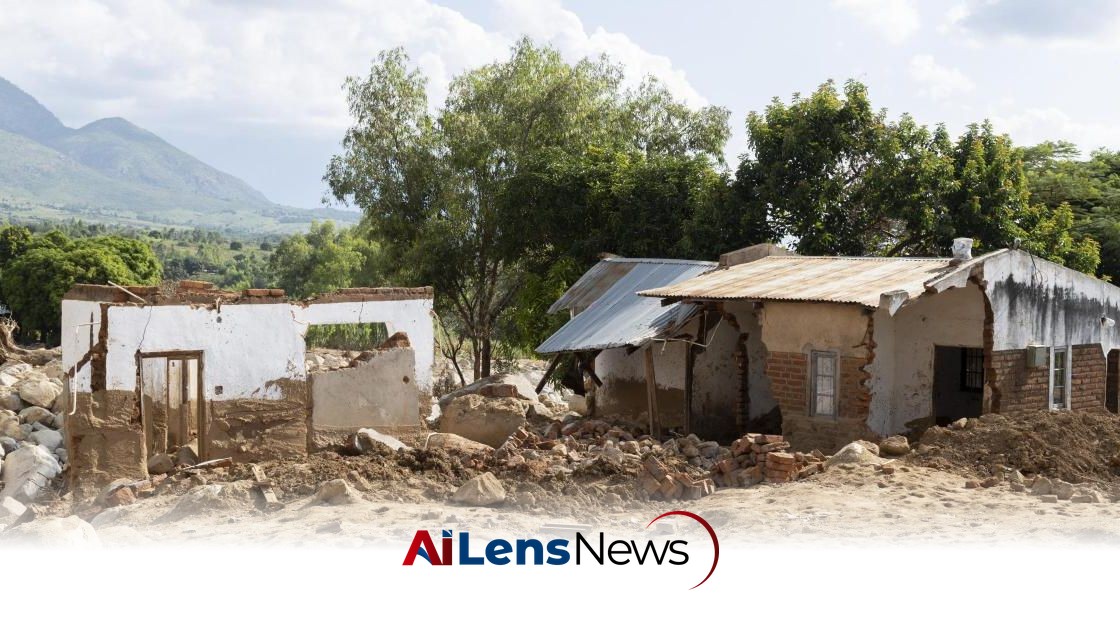


The UK Government's decision to reduce overseas aid to Malawi by 90% has drawn significant criticism, particularly from the Scottish Government, highlighting the potential impact on vulnerable communities.
London, United Kingdom Jul 17, 2026 ALN: The recent announcement from the UK Government regarding a significant reduction in overseas aid to Malawi has sparked considerable concern among various stakeholders, particularly the Scottish Government. The decision to implement a staggering 90% cut to aid allocated for Malawi has been described as 'alarming' by officials in Scotland, reflecting deep unease about the implications of such drastic reductions for one of the world's most vulnerable nations.
The UK Government's broader strategy entails a reduction in overall overseas aid from 0.7% of Gross National Income (GNI) to 0.5%, with plans to further decrease it to 0.3% by 2027. This shift marks a significant departure from previous commitments to international development, raising questions about the UK’s role on the global stage, especially as nations grapple with pressing humanitarian crises.
The Foreign, Commonwealth & Development Office (FCDO) released its annual report detailing these cuts, which will affect various regions around the world. The report indicates that aid to Africa will decrease from £1.4 billion in 2025-26 to £693 million by 2028-29, while reductions are also planned for the Americas, Asia Pacific, and Europe. In stark contrast, Eastern Europe and Central Asia will see only a minor decline, primarily due to an increase in aid directed toward Ukraine. This uneven distribution of aid reflects the shifting priorities of the UK Government, possibly influenced by geopolitical considerations.
Among the most affected countries is Malawi, which has long been a recipient of UK aid. The financial support allocated to Malawi is set to plummet from £50,245,000 in 2025-26 to just £5 million by 2028-29. This dramatic cut has profound implications for the nation, which is already grappling with severe socio-economic challenges, including high levels of poverty, food insecurity, and public health crises.
Malawi is one of the least developed countries globally, characterized by low life expectancy, high infant mortality rates, and a high prevalence of HIV/AIDS. Recent statistics indicate that around four million Malawians, approximately 22% of the population, experienced acute food insecurity between October 2025 and March 2026. Such alarming figures underscore the urgent need for continued support from international partners, particularly in the face of ongoing economic, social, and climate-related challenges.
The Scottish Government has a formal cooperation agreement with Malawi, which has fostered a longstanding relationship between the two nations. First Minister John Swinney's visit to Malawi in October of the previous year highlighted the importance of this partnership. In a letter to the UK Foreign Secretary, Swinney expressed his outrage at the proposed cuts, labeling them as "frankly unconscionable." This sentiment resonates with many who view the UK’s commitment to international development as a moral obligation, particularly toward nations like Malawi that rely heavily on foreign aid for their development needs.
Scotland's Minister for International Development, Simita Kumar, echoed these concerns, stating that the newly published aid allocations are "deeply concerning." Kumar emphasized that the scale of reductions for Malawi represents a fundamental shift in the UK's development relationship with one of Scotland's longest-standing international partners. She urged the UK Government to reconsider the cuts, highlighting that vulnerable communities would bear the brunt of these reductions, undermining hard-won progress achieved over the years.
In addition to government officials, non-governmental organizations and advocacy groups have also voiced their discontent regarding the cuts. Katherine May, an advocacy adviser for Oxfam Scotland, criticized the UK Government's approach, arguing that the cuts come at a time when need is at an all-time high due to conflicts, hunger, and climate disasters. She warned that the consequences of these cuts would not be felt by policymakers in comfortable offices but would directly impact communities already struggling with poverty and health crises.
May called for the new Prime Minister to reverse these damaging cuts, asserting that the UK possesses the resources to provide aid but lacks the political will to do so. This perspective highlights a growing sentiment among many that the UK must recommit to its international obligations and responsibilities, particularly in light of the current global challenges.
In response to the UK Government's cuts, the Scottish Government has pledged to increase its International Development Fund by 25% during the current parliamentary term. This commitment reflects a determination to continue supporting partner countries like Malawi, Rwanda, and Zambia, even as the UK Government scales back its contributions. Kumar's statement emphasizes Scotland's commitment to being a good global citizen and its resolve to assist nations facing significant development challenges.
Moreover, Minister for Development Jenny Chapman acknowledged the changing global landscape, noting that crises in one part of the world can have far-reaching effects. She pointed to the conflict in the Middle East, which has driven up food and fertilizer costs, and the Ebola outbreak in the Democratic Republic of the Congo as urgent reminders of the interconnectedness of global health security. Chapman emphasized that the FCDO aims to make every pound of UK development spending work harder for those facing the toughest crises.
Despite the cuts, the FCDO has indicated that it will allocate approximately one-third of its entire aid budget to sub-Saharan Africa, including over £1 billion per year in multilateral official development assistance (ODA) to the region. This funding will support various international organizations, including the African Development Bank and Gavi, the vaccine alliance, ensuring that the UK continues to provide support in sub-Saharan Africa, albeit at a reduced level.
The implications of these cuts extend beyond immediate financial support; they raise critical questions about the UK's commitment to international development and its role in addressing global challenges. As the world faces unprecedented crises, including climate change, pandemics, and geopolitical instability, the need for robust international cooperation and support is more pressing than ever. The future of aid to Malawi and other similarly situated nations will depend on the ability of governments, organizations, and communities to advocate for sustained support and to navigate the complex landscape of global development in the years to come.
To learn more about the latest developments in Health & Public Safety, stay updated with our exclusive reports and analyses on AiLensNews.

