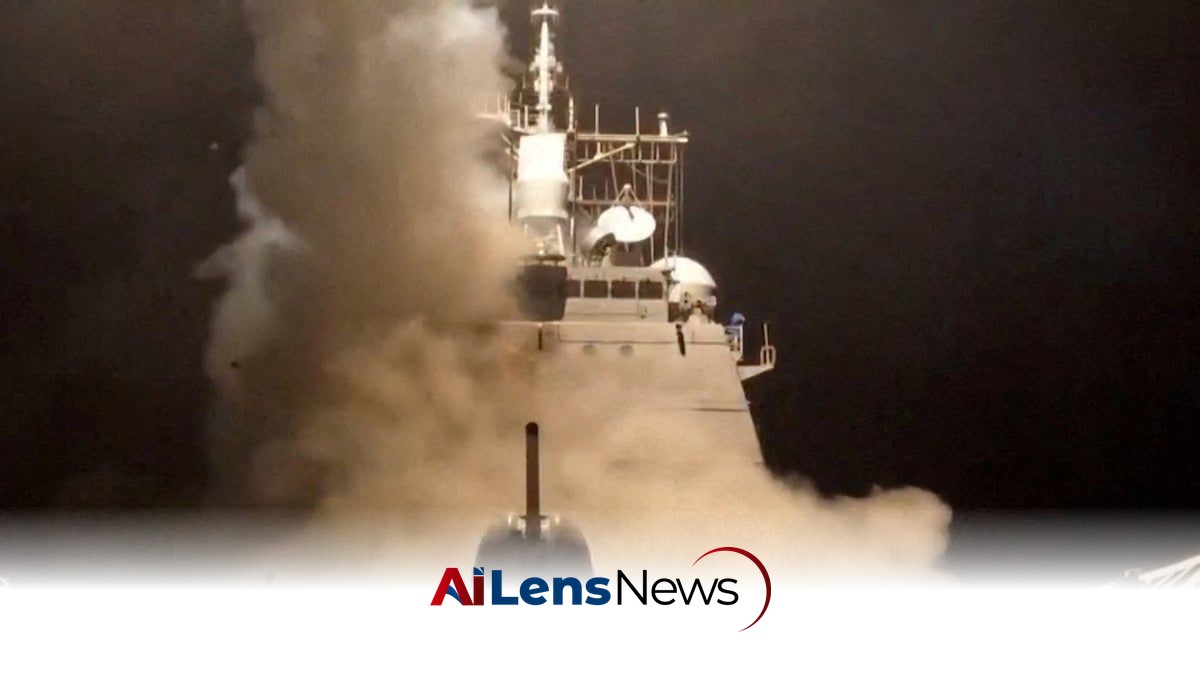


The U.S. Central Command reports two service members killed and one missing following Iranian missile and drone strikes in Jordan.
London, United Kingdom Jul 18, 2026 ALN: The recent escalation of hostilities in the Middle East has resulted in the tragic loss of two U.S. service members in Jordan, following Iranian ballistic missile and drone attacks. This incident marks a significant development in the ongoing conflict between U.S. forces and Iranian-backed groups in the region, highlighting the volatile security situation that has persisted for months. The attacks not only signal a direct threat to U.S. military personnel but also reflect the broader geopolitical tensions that have been evolving in the region.
According to U.S. Central Command, the attacks occurred on a Friday, leading to the immediate death of two service members who were actively engaged in defense operations. The Department of Defense has confirmed that another service member is currently missing, prompting ongoing search and rescue efforts. The situation on the ground remains fluid, and U.S. military officials are continuing to assess the implications of these attacks. The urgency of the search and rescue operation underscores the challenges faced by military personnel in hostile environments, where the threat of further attacks can complicate rescue efforts.
In addition to the fatalities, four American service members sustained injuries during the attacks and were subsequently medically evacuated to hospitals in Jordan. Fortunately, these individuals have since been treated and discharged, indicating that their injuries were not life-threatening. However, the psychological and emotional toll of such incidents on military personnel cannot be underestimated, as they grapple with the realities of combat and loss. The mental health impact on service members involved in such traumatic experiences can be profound, leading to long-term consequences that require ongoing support and intervention.
The cumulative toll of the conflict has been staggering, with at least 15 U.S. service members having lost their lives since the onset of hostilities with Iran. This includes a tragic incident involving two refueling jets that collided over Iraq, resulting in the deaths of six service members. Additionally, another Iranian drone strike targeting a command post in Kuwait claimed the lives of six more U.S. personnel. The nature of these incidents underscores the multifaceted threats faced by U.S. forces in the region, from aerial assaults to mid-air collisions. Each loss not only affects the immediate unit but also reverberates throughout the military community, raising concerns about safety and operational integrity.
Moreover, the loss of a Navy pilot in a helicopter crash in the Arabian Sea earlier this month adds to the growing list of casualties. The cumulative effect of these events has not only resulted in the loss of life but has also left more than 400 troops wounded throughout the campaign. These numbers reflect the harsh realities of military engagement in a region characterized by complex geopolitical dynamics and persistent threats from various factions. The high casualty rates can lead to increased scrutiny of military operations and strategies, prompting calls for reassessment of engagement rules and operational tactics.
The backdrop to these events is a long-standing tension between the United States and Iran, which has only intensified in recent years. The Iranian regime, often accused of supporting militant groups across the Middle East, has engaged in a series of aggressive actions, including missile strikes and drone attacks, aimed at U.S. interests and allies in the region. This ongoing conflict has prompted the U.S. to maintain a significant military presence in the Middle East, with the objective of deterring Iranian aggression and protecting its allies. The strategic positioning of U.S. forces is intended to project power and influence, but it also places them at risk of retaliation from Iranian-backed groups.
The implications of these attacks extend beyond immediate military concerns. The loss of U.S. service members in combat situations can have profound effects on public perception at home, influencing discussions around military engagement and foreign policy. As the U.S. government grapples with the complexities of its role in the Middle East, incidents like these can reignite debates over military strategy, troop deployments, and the broader implications of U.S. involvement in foreign conflicts. The American public's support for military operations can wane in the face of rising casualties, leading to political ramifications for lawmakers and military leaders alike.
In the wake of these attacks, military leaders are likely to reassess operational strategies and enhance defensive measures to protect personnel stationed in volatile regions. The U.S. Central Command may also seek to strengthen partnerships with regional allies, including Jordan, to bolster collective defense efforts against Iranian threats. Such collaborations are essential not only for immediate security but also for long-term stability in the region, where multiple actors vie for influence. The ability of U.S. forces to operate effectively in conjunction with local forces can enhance their operational capacity and provide a more robust response to threats.
As the situation develops, it remains crucial for the U.S. military and government to provide timely updates to the public regarding the status of the missing service member and any further actions taken in response to the attacks. The families of those affected will undoubtedly be seeking answers and support during this challenging time. The emotional burden of loss is shared not only by the families of the deceased but also by their comrades, who must navigate the complexities of grief while continuing their missions.
Furthermore, this incident serves as a stark reminder of the sacrifices made by U.S. service members in the pursuit of national security objectives. The emotional and psychological challenges faced by military families, along with the need for comprehensive support systems, will be paramount as the nation mourns the loss of its brave personnel. The importance of mental health resources for service members and their families cannot be overstated, as they deal with the aftermath of combat and the potential for long-term psychological impacts.
In conclusion, the deaths of two U.S. service members in Jordan due to Iranian attacks underscore the ongoing risks and complexities associated with military operations in the Middle East. As the U.S. navigates this challenging landscape, the focus will remain on ensuring the safety of its troops and evaluating the broader implications of its strategic decisions in a region fraught with tension and uncertainty. The evolving situation necessitates a careful balance between military readiness and diplomatic efforts to de-escalate tensions, as the U.S. continues to engage with both allies and adversaries in pursuit of stability in the region.
To learn more about the latest developments in Health & Public Safety, stay updated with our exclusive reports and analyses on AiLensNews.

