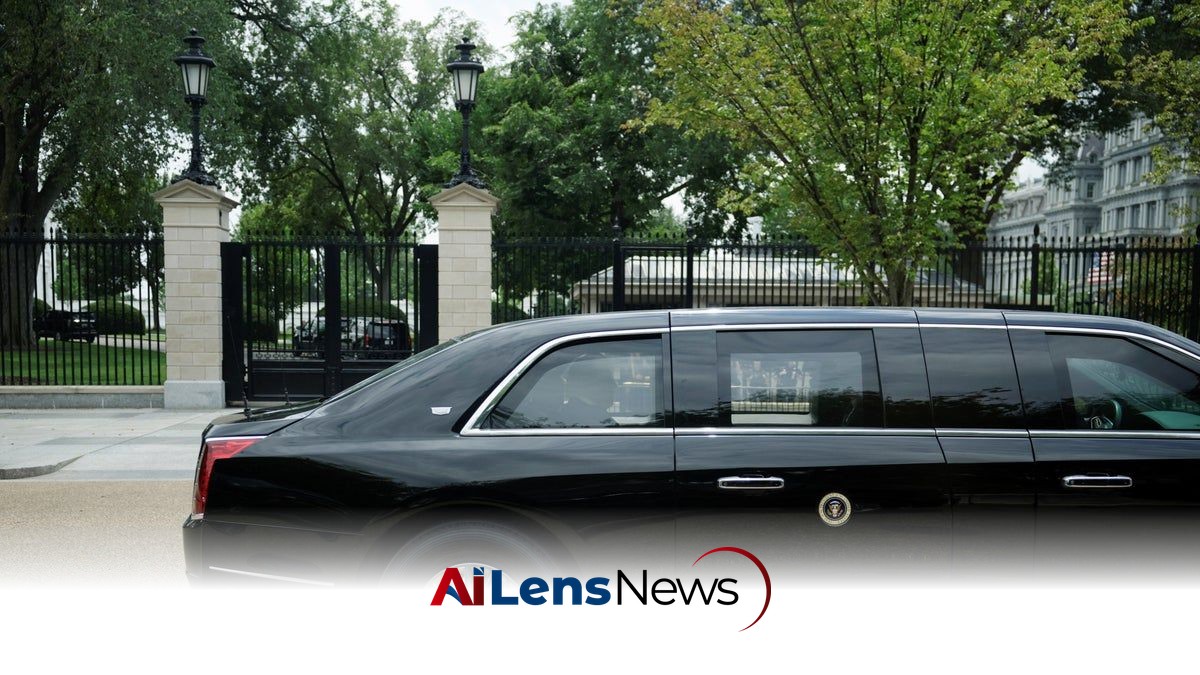


On a day filled with high-profile visits from Zelensky and Netanyahu, Trump posted over 20 times on Truth Social, focusing on various topics but ignoring critical global issues.
London, United Kingdom Jul 28, 2026 ALN: President Trump has never let negotiating world affairs get in the way of one of his other main tasks in office: posting on Truth Social. This social media platform, which he founded after being banned from several mainstream platforms, has become a significant outlet for his thoughts, opinions, and political messaging since he left the presidency. Trump's engagement on Truth Social has often been characterized by a mixture of personal commentary, political endorsements, and controversial statements, reflecting his ongoing influence in the Republican Party and American politics at large.
On an unusually busy day in Washington — with White House visits from Ukrainian President Volodymyr Zelensky and Israeli Prime Minister Benjamin Netanyahu, plus a memorial ceremony for the late senator Lindsey Graham — the president was unusually busy on social media, firing off more than 20 posts around these marquee events on the schedule. The presence of both Zelensky and Netanyahu in Washington highlights the critical nature of U.S. diplomacy in addressing ongoing conflicts in Ukraine and the Middle East, respectively. Zelensky's visit comes amid a protracted war with Russia, while Netanyahu's presence underscores the complexities of U.S.-Israeli relations, particularly concerning regional stability and security.
The timing of Trump's posts during such significant diplomatic meetings raises questions about his priorities and the impact of social media on political discourse. At times, the messages, which ran the gamut from commentary on AI to false claims about the 2020 election being “rigged,” came just a single minute apart. This rapid-fire posting may suggest an almost compulsive need to communicate with his followers, regardless of the concurrent high-stakes discussions taking place in the nation's capital. It also reflects a broader trend in modern politics where social media can sometimes overshadow traditional diplomatic channels and formal communications.
It’s unclear if the posts were pre-scheduled or made live, but they gave little indication of the president’s day full of high-stakes meetings that touched on two of the globe’s most pressing conflicts. The lack of engagement with the topics at hand — namely, the situations in Ukraine and Israel — in his posts could be seen as a missed opportunity to address critical issues that affect not only U.S. foreign policy but also global stability. By not referencing these significant discussions, Trump may be signaling a disconnect between his social media presence and the realities of international diplomacy, which often requires nuanced communication and strategic messaging.
In fact, none of his posts on Tuesday on Truth Social had to do with Ukraine or Israel, and his only reference to Graham was a post about the campaign of Sen. Darline Graham, Lindsey Graham’s sister, who is serving a temporary appointment filling his vacant Senate seat and is running for a full term with Trump’s surprise endorsement. This focus on a local political figure rather than international matters may reflect Trump's strategic interests in maintaining influence within the Republican Party and supporting candidates aligned with his vision and policies.
The implications of Trump's social media activity during such pivotal moments in U.S. diplomacy are multifaceted. On one hand, it reinforces his base's loyalty, as many followers appreciate his direct communication style and often view his posts as a counter-narrative to mainstream media. On the other hand, it raises concerns among political analysts and diplomats about the potential for mixed messages and the undermining of serious diplomatic efforts. In an era where social media can sway public opinion and impact political outcomes, the juxtaposition of Trump's posts with significant diplomatic engagements illustrates the evolving landscape of political communication.
Furthermore, Trump's continued focus on the 2020 election narrative, despite widespread consensus on the legitimacy of the election results, demonstrates his commitment to maintaining his political brand and rallying support among those who share his views. This tactic has been effective in energizing his base, but it also contributes to ongoing divisions within the electorate and can complicate bipartisan efforts on pressing national and international issues.
As the political landscape continues to shift, the role of social media in shaping public discourse and political strategy remains a critical area of observation. Trump's prolific posting on Truth Social, especially during significant diplomatic events, may serve as both a reflection of his personal priorities and a representation of broader trends in political communication. The challenge for current and future leaders will be to navigate the dual demands of engaging with constituents through social media while also addressing the complex realities of governance and international relations.
In conclusion, the intersection of Trump's social media activity and significant diplomatic meetings highlights the complexities of modern political communication. As he continues to leverage platforms like Truth Social, the implications for both domestic and foreign policy will be closely monitored by political analysts, diplomats, and the public alike. The evolving nature of political engagement in the digital age will undoubtedly shape the future of governance and international relations, making it essential for leaders to find a balance between direct communication with constituents and the responsibilities that come with their positions.
To better understand the context of Trump's social media activity, it is important to consider the broader implications of his engagement on platforms like Truth Social. The rise of social media has transformed political communication, allowing politicians to bypass traditional media outlets and speak directly to their constituents. This shift has led to a more polarized political landscape, where messages can be amplified or distorted in ways that were not possible in the past.
Moreover, Trump's approach to social media has set a precedent that many politicians have since adopted. The immediacy of social media allows for rapid responses to events, but it also raises the stakes for accuracy and responsibility in communication. As seen in Trump's posts, the line between opinion, fact, and misinformation can become blurred, leading to potential ramifications for public trust and discourse.
In addition, the role of social media in political campaigns has evolved significantly. Trump's use of Truth Social to endorse candidates like Darline Graham illustrates how social media can be a powerful tool for mobilizing support and shaping electoral outcomes. The ability to communicate directly with followers can enhance a candidate's visibility and foster a sense of community among supporters. However, it also poses challenges for candidates who may be pressured to align with the often polarizing views expressed on these platforms.
As we analyze Trump's social media presence, it is crucial to recognize the potential consequences of this form of communication on international relations. The juxtaposition of domestic political messaging with global diplomatic efforts can create confusion and dilute the seriousness of foreign policy discussions. Diplomats and political leaders may find themselves navigating a landscape where public perception is influenced by social media narratives, sometimes at odds with the complexities of international diplomacy.
In summary, Trump's prolific posting on Truth Social amid significant diplomatic engagements underscores the evolving nature of political communication in the digital age. As he continues to leverage this platform, the implications for both domestic and foreign policy will remain a focal point of analysis, reflecting the challenges and opportunities that arise from the intersection of social media and governance. The need for leaders to engage responsibly with their constituents while addressing the intricacies of international relations has never been more critical, as the consequences of their communication strategies can reverberate far beyond the confines of social media.
To learn more about the latest developments in Politics, stay updated with our exclusive reports and analyses on AiLensNews.

