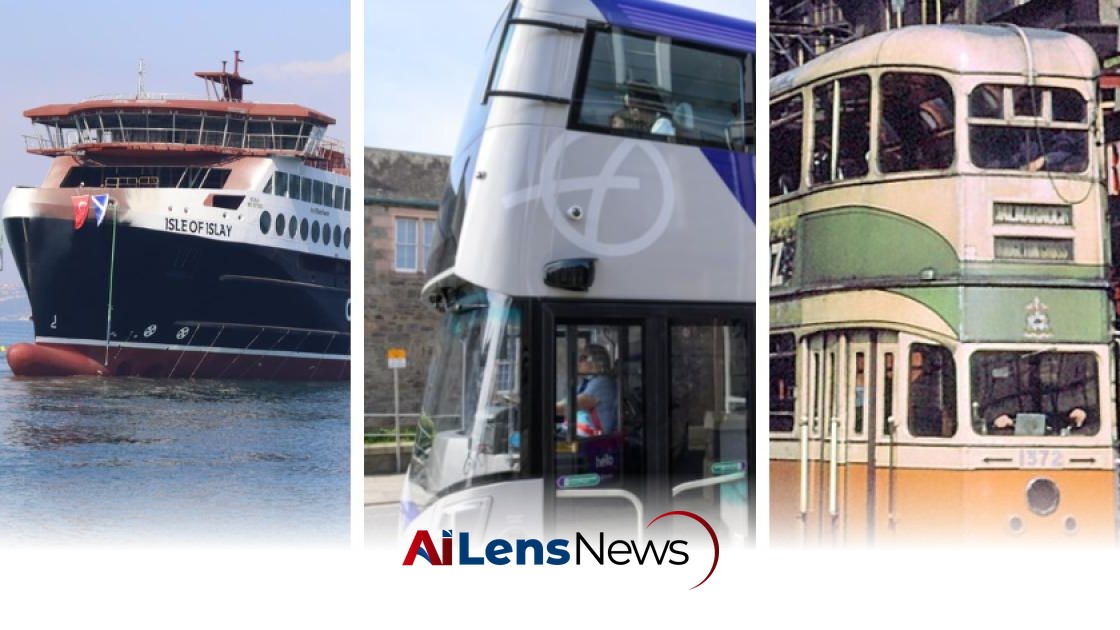


The National launches a new series examining ways to enhance public transport in Scotland, addressing challenges and showcasing successful initiatives.
London, United Kingdom Jul 31, 2026 ALN: THE National is launching a new investigative series exploring how we can transform public transport in Scotland. This initiative comes at a critical time when the demand for reliable and efficient public transport systems is more pressing than ever, particularly in the wake of the COVID-19 pandemic, which has significantly altered travel patterns and raised questions about the sustainability of existing transport networks.
Public transport is a vital service that affects the daily lives of millions of people across Scotland. Many of us use public transport every day, relying on buses, trams, trains, and ferries to get where we need to go. It serves as the backbone of mobility for millions, providing essential services that facilitate daily commutes, access to education, healthcare, and employment opportunities. However, the quality and affordability of these services can vary widely, leading to disparities in access and experience.
The importance of public transport cannot be overstated. It plays a crucial role in reducing traffic congestion, lowering carbon emissions, and promoting social inclusion. A well-functioning public transport system can enhance the quality of life in urban areas by reducing the number of cars on the road, which in turn decreases air pollution and fosters healthier communities. However, the reality is that many transport systems in Scotland are struggling to meet the needs of their users.
There are positive examples of transport policy improving in Scotland, showcasing the potential for transformative change. For instance, the decision to end peak fares on nationalised ScotRail has made train travel more accessible to a broader range of users. Additionally, the introduction of £2 max fares on buses is a measure aimed at easing the financial burden on commuters. Furthermore, providing free bus travel for under-22s reflects a commitment to making public transport more equitable for younger generations. These initiatives have all positively impacted day-to-day journeys for Scottish residents and demonstrate a growing recognition of the need to prioritize public transport as a public good rather than merely a commercial enterprise.
However, challenges remain. Too often, we find ourselves paying over the odds for poor services from private firms that prioritize profits over quality. This issue can be traced back to Thatcher-era policies that emphasized privatization and deregulation. Such policies have led to a fragmented transport landscape where service quality and pricing can be inconsistent. Some users benefit from publicly owned services with tightly controlled fares, while others face route cuts and spiraling costs. The disparities are particularly pronounced in rural areas, where transport options are limited, leaving residents isolated and without reliable means of travel. Meanwhile, families in deprived urban areas are often priced out of using public transport altogether, further entrenching cycles of poverty and disadvantage.
Affordable, sustainable, efficient public transport improves lives, health, economies, and the environment—it seems a no-brainer to look at how we can make it the best it can be. The implications of a well-functioning public transport system extend beyond mere convenience; they influence economic growth, environmental sustainability, and social equity. By investing in and transforming public transport, Scotland has the opportunity to address pressing issues such as air pollution, carbon emissions, and social exclusion. The need for a comprehensive approach to public transport reform is evident, as it can lead to improved connectivity, reduced travel times, and enhanced overall user satisfaction.
This week, from Monday to Friday, this series aims to shed light on the complexities of Scotland's transport system, examining both its successes and its shortcomings. Through a comprehensive approach that includes data analysis, expert interviews, and firsthand accounts from users, we hope to provide a nuanced understanding of the current landscape and what can be done to improve it. The series will not only highlight the challenges faced by the public transport sector but also celebrate the successes that can serve as models for future initiatives.
Make sure you're tuned in so you don't miss out on this vital conversation about the future of public transport in Scotland. The outcomes of this series could influence public opinion and policy decisions, ultimately shaping the direction of transport services for years to come. The insights generated from this series will be essential for understanding the pathways toward a more effective and equitable public transport system.
As we embark on this investigative journey, it is crucial to recognize the role of public transport in shaping a sustainable future for Scotland. The ongoing challenges and opportunities within the public transport sector require our attention and action. Remember, you can support our investigative efforts for just £20 for a whole year in our summer sale right now. Your support will help us continue to investigate and report on critical issues affecting Scotland and its residents, including the ongoing challenges and opportunities within the public transport sector.
To learn more about the latest developments in Transport & Mobility, stay updated with our exclusive reports and analyses on AiLensNews.

