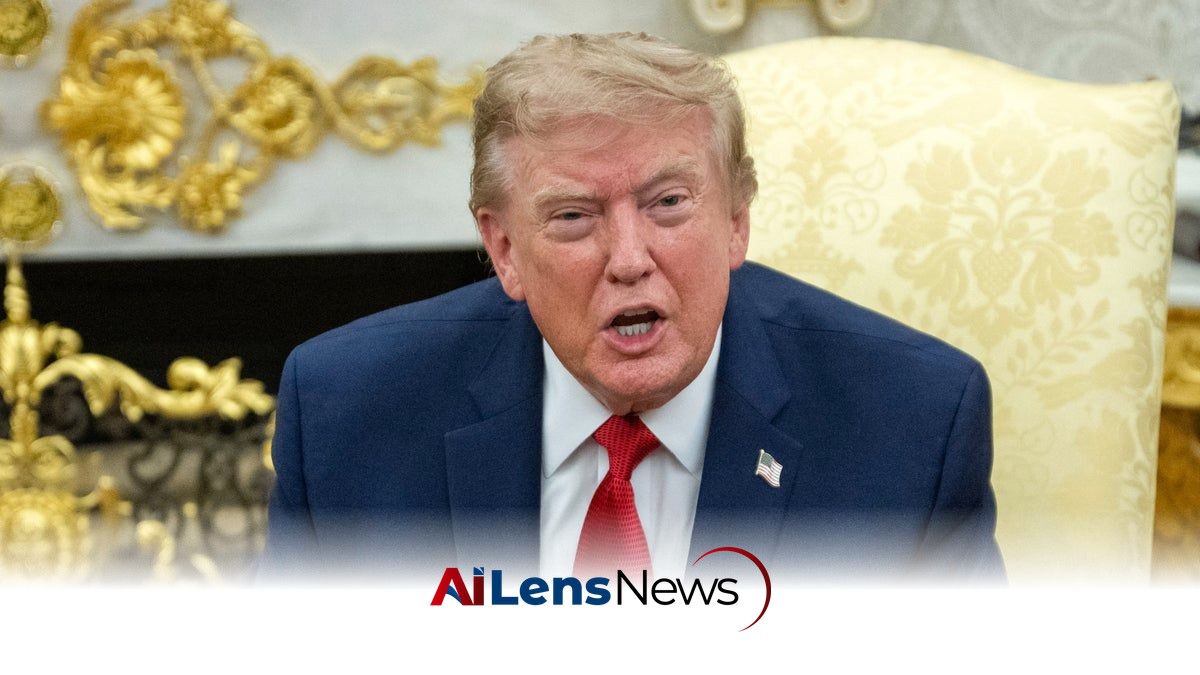


A vessel was struck in the Strait of Hormuz following Trump's threats to bomb Oman if it obstructs U.S. efforts with Iran. The situation escalates as diplomatic talks stall.
London, United Kingdom Aug 18, 2026 ALN: The recent attack on a vessel in the Strait of Hormuz has heightened tensions in an already volatile region, coming just a day after the expiration of a 60-day memorandum of understanding between the United States and Iran. This memorandum had served as a temporary framework for negotiations aimed at de-escalating the ongoing conflict between the two nations, but its expiration without any significant progress has left both sides in a precarious stalemate.
The vessel, which was reportedly struck by an unknown projectile while navigating through the Strait, sustained damage to its engine room. The incident also resulted in a casualty among the crew, prompting a swift response from the Omani Coast Guard, who assisted the remaining crew members. Such attacks in the Strait of Hormuz, a critical maritime chokepoint through which approximately 20% of the world's oil supply passes, raise serious concerns about the safety of shipping in the area and the potential for broader military confrontations.
The backdrop to this incident is marked by President Donald Trump’s recent comments regarding Iran, where he expressed skepticism about the possibility of reaching a favorable deal with the Iranian government. Trump has consistently taken a hardline stance against Iran, which he perceives as an adversary that poses a significant threat to U.S. interests in the region. Following the expiration of the memorandum, Iran's leadership signaled a shift from a defensive posture to a more aggressive stance, suggesting that they may pursue offensive actions in response to perceived threats from the U.S.
In a striking escalation of rhetoric, Trump also issued threats against Oman, a key U.S. ally in the region. During an interview with Fox News, he warned that if Oman were to interfere with U.S. efforts to negotiate a peace deal with Iran, the U.S. would respond with military force. Trump's declaration that “If Oman gets in the way, we’ll bomb the s**t out of them” underscores the increasingly aggressive tone of U.S. foreign policy in the Middle East, which many observers fear could lead to unintended consequences.
Oman has historically played a mediating role in the region, often acting as a facilitator of dialogue between conflicting parties, including the U.S. and Iran. The nation’s efforts to manage its relationships with both sides have earned it a reputation as a neutral broker, but Trump's threats could undermine Oman’s ability to continue in this role and may provoke a backlash from Iran.
The expiration of the ceasefire agreement with Iran without an extension has left the prospects for renewed negotiations looking increasingly bleak. The last 60-day period for talks ended with no significant breakthroughs, and the situation has devolved into a stalemate. Trump’s remarks about maintaining a backchannel with the Islamic Revolutionary Guard Corps (IRGC) reflect a strategy that seeks to pressure Iran into submission rather than fostering a constructive dialogue.
This hardline approach is indicative of the broader U.S. strategy towards Iran, which has included sanctions and military posturing. The lack of progress in negotiations has led to increased hostilities, with both sides engaging in provocative actions that heighten the risk of military confrontation. The Iranian government has signaled that it will not back down in the face of U.S. pressure, and the potential for miscalculation remains high.
In response to the escalating tensions, international leaders have begun to weigh in on the situation. Turkish President Recep Tayyip Erdogan has called on Trump to prioritize diplomatic discussions with Iran, emphasizing the importance of dialogue in resolving conflicts. Erdogan's advocacy for peace reflects Turkey's strategic interests in maintaining stability in the region, as well as its own complex relationship with both Iran and the United States.
Meanwhile, shipping activity in the Strait of Hormuz has seen a decline, as the threat of military action looms large over maritime operations. Recent data indicates that only a handful of vessels have transited the strait, with six commodity ships reported to have crossed recently, representing a slight increase from the weekend but still falling below average levels. This drop in shipping activity not only impacts global oil markets but also raises concerns about the economic implications of sustained tensions in the region.
The international community is closely monitoring the situation, with fears that further escalation could lead to broader regional instability. The Strait of Hormuz is a vital artery for global trade, and any disruption could have significant repercussions for the global economy. As the U.S. and Iran remain locked in a cycle of confrontation, the potential for diplomatic solutions appears increasingly remote, leaving many to wonder what the future holds for peace in the region.
In conclusion, the attack on the vessel in the Strait of Hormuz serves as a stark reminder of the fragility of peace in the region. With both the U.S. and Iran entrenched in their positions and the threat of military action looming, the need for dialogue and de-escalation has never been more pressing. The role of third-party nations like Oman and Turkey may become increasingly crucial as the international community seeks to navigate this complex geopolitical landscape and prevent further conflict.
To learn more about the latest developments in World News & International Affairs, stay updated with our exclusive reports and analyses on AiLensNews.

