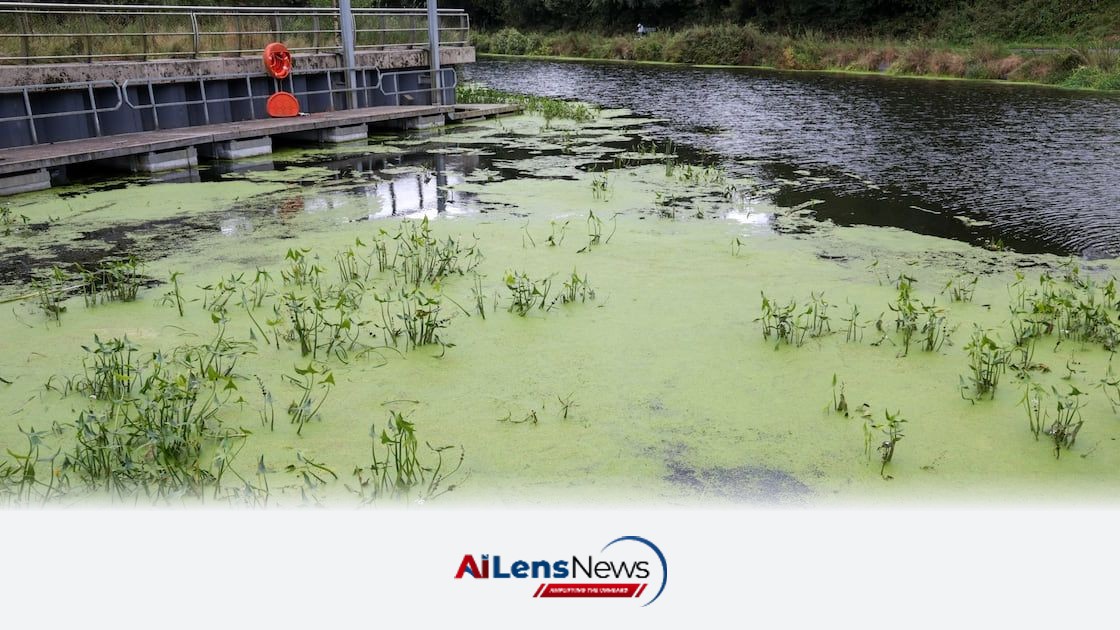



The Department of Agriculture, Environment and Rural Affairs has confirmed that the green vegetation in River Lagan is not toxic algae, easing public concerns.
London, United Kingdom Aug 24, 2026 ALN: A build-up of green vegetation spotted on the River Lagan in Belfast is not believed to be toxic algae, a Stormont department has said. This clarification comes amid rising public concern regarding the health of waterways in Northern Ireland, particularly in light of recent reports of harmful algal blooms in nearby Lough Neagh. The presence of green vegetation in the River Lagan has been visually striking, with large patches documented along the waterways in south Belfast this week.
The Department of Agriculture, Environment and Rural Affairs (DAERA) has responded to queries regarding these observations, indicating that the vegetation does not appear to be blue-green algae, which is known for its potential toxicity. Instead, the department suggests that the green growth is likely natural vegetation typical for this time of year, especially in areas where the river flow is slower. This distinction is crucial as it helps alleviate public fears about the safety of recreational activities in and around the river.
“There have been no confirmed reports of blue-green algae in the River Lagan to date in 2026,” a spokesperson for DAERA stated, providing reassurance to local residents and visitors. This is an important point, as blue-green algae can produce toxins harmful to both humans and animals, leading to health advisories and restrictions in affected areas.
In response to the increasing occurrences of blue-green algae across Northern Ireland, inter-agency protocol groups have been established over the last two years. These groups are tasked with monitoring water quality and responding to reports of algal blooms. The collaborative approach aims to ensure that all relevant agencies work together effectively to manage and mitigate the risks associated with harmful algae.
DAERA has emphasized the importance of public awareness regarding water safety. “It is important to be aware of advice in place and if in doubt, stay out of the water, ensure that dogs are kept on leads and follow any advisory signs at waterbodies,” the spokesperson advised. This guidance is particularly relevant during the warmer months when algal blooms are more likely to occur. The department encourages the public to report any suspected sightings of blue-green algae through the Bloomin’ Algae App or by contacting the 24-hour Incident Hotline. This proactive approach allows for quicker response times and better management of water quality issues.
For those wishing to stay informed, confirmed locations of blue-green algae and further information are available on the DAERA website. This resource serves as a critical tool for residents and visitors to Northern Ireland, helping them make informed decisions about engaging in recreational activities near water bodies.
While the situation in the River Lagan appears to be under control, concerns continue to mount regarding Lough Neagh, the largest freshwater lake in the British Isles. Just last week, images surfaced showing wildlife, including swans, struggling with the pollution in Lough Neagh, drawing significant public concern and media attention. The presence of blue-green algae in Lough Neagh has been a recurring issue, with confirmed cases reported for the third consecutive year.
A spokesperson from Friends of the Earth expressed alarm over the situation, stating, “This is the third year in a row we’ve seen huge blue-green algal blooms in Lough Neagh, and across Northern Ireland. This is the failure of environmental regulation writ large.” Their comments highlight the broader implications of nutrient pollution, which is often attributed to agricultural practices and an overloaded sewage infrastructure. The organization argues that Lough Neagh has become a stark example of environmental mismanagement, with similar pollution incidents occurring throughout various catchments in Northern Ireland.
The concerns raised by environmental advocates underscore the need for comprehensive action to address the underlying causes of nutrient pollution. Friends of the Earth has called for a credible plan that includes reducing nutrient runoff, strengthening enforcement of environmental regulations, improving wastewater management, and ultimately restoring the health of rivers and lakes in the region. Such measures are essential not only for the protection of wildlife but also for safeguarding public health and ensuring the sustainability of Northern Ireland’s natural resources.
The ongoing dialogue surrounding water quality and environmental protection in Northern Ireland reflects a growing awareness of the interconnectedness of human activities and ecosystem health. As communities grapple with the implications of pollution and climate change, the need for collaborative efforts between government agencies, environmental organizations, and the public is more critical than ever. The situation serves as a reminder of the importance of vigilance and proactive measures in preserving the natural beauty and ecological integrity of Northern Ireland’s waterways.
To learn more about the latest developments in Health & Public Safety, stay updated with our exclusive reports and analyses on AILensNews.

