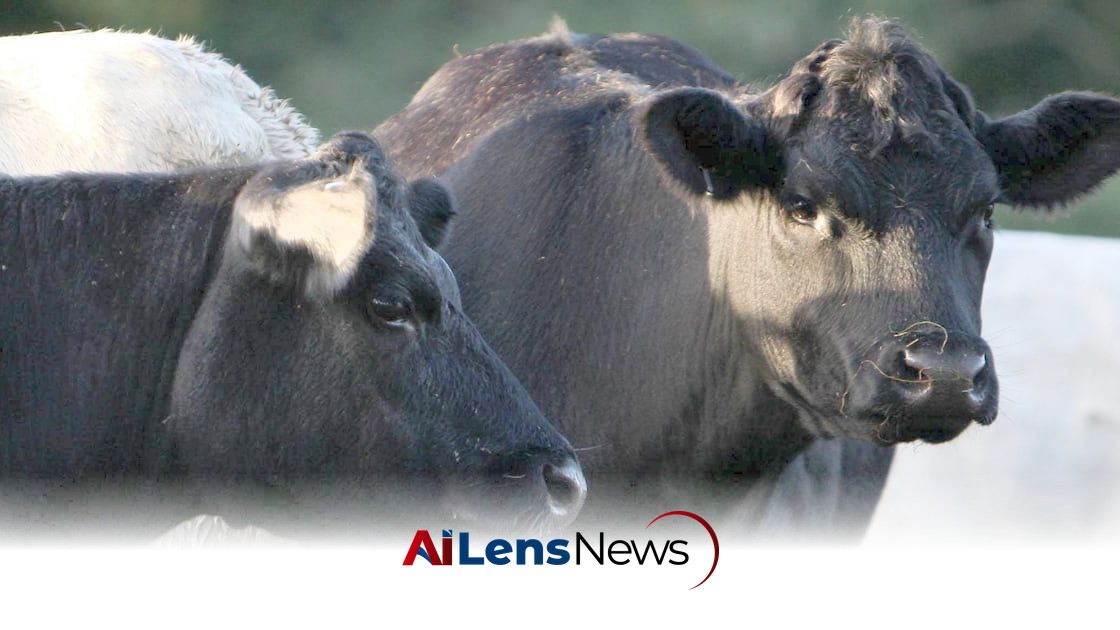


Around 50 cattle were shot in Co Tyrone as a government-ordered operation raises public concerns over animal welfare and culling methods.
London, United Kingdom Jul 30, 2026 ALN: In a shocking incident that has raised significant concern among local communities and animal welfare advocates, approximately 50 cattle were subjected to a mass culling in Co Tyrone, Northern Ireland. This operation, which took place over a grueling 12-hour period, has been characterized as disturbing by eyewitnesses and local representatives, leading to promises from government officials for a thorough review of the circumstances surrounding the event.
The culling occurred on a farm in the Clogher Valley area, specifically near Fivemiletown, and was executed under a court order that mandated the confiscation of the animals from their owner, who had previously been convicted of animal welfare offences. This legal action reflects ongoing concerns regarding the treatment of livestock and the responsibilities of animal owners in Northern Ireland. The case highlights the complexities involved in enforcing animal welfare laws, particularly when they intersect with agricultural practices and the rights of farmers.
Local Councillor Eugene McConnell, who witnessed part of the operation, described the scene as akin to the “Wild West.” He noted that the culling drew a crowd of onlookers, with cars blocking roads and people standing on ditches to watch the marksmen carry out the shooting. The operation began at 10:00 AM and concluded just before 10:00 PM, raising questions about the management and transparency of such a sensitive procedure. Eyewitness accounts have painted a vivid picture of the chaos and distress surrounding the event, with many expressing disbelief at the sight of healthy animals being shot dead in broad daylight.
Following the culling, the Department of Agriculture, Environment and Rural Affairs (DAERA) announced that it would conduct a review to identify potential improvements for future operations. This commitment to review is crucial, especially considering the public outcry that has emerged in the wake of the incident. The DAERA spokesperson emphasized that the operation was planned in advance and that the chosen methodology was deemed the most appropriate for ensuring animal welfare, public safety, and the safety of staff involved in the operation. However, the justification for such a drastic measure remains contentious, as many in the community question whether alternative methods could have been employed to prevent the culling altogether.
The nature of the culling has sparked significant debate about the ethics and methods used in such situations. Eyewitness accounts have described the event as horrific, with one individual, a former agriculture department employee, stating that it was the most distressing thing he had ever witnessed. This sentiment echoes the concerns raised by local residents who were disturbed by the sight of healthy animals being shot. The emotional toll on those who witnessed the event cannot be understated, as many expressed feelings of helplessness and sorrow for the animals involved.
The legal framework that allowed for this culling is rooted in animal welfare legislation, which permits the destruction of animals if a veterinary surgeon determines that it is in the best interest of the animal, particularly to prevent unnecessary suffering. In this case, the court's deprivation order was a response to the owner's previous violations of animal welfare standards, highlighting the ongoing challenges faced by authorities in managing cases of neglect or abuse in livestock management. The legislation aims to protect animals from harm, but its implementation can sometimes lead to outcomes that are difficult for the public to accept.
Councillor McConnell has been vocal about the need for a more humane approach to such operations. He expressed concern over the public nature of the culling and the emotional toll it took on local residents who witnessed the event. He emphasized the need for a better strategy, suggesting that alternatives such as rounding up the animals and transporting them to a different location could be employed to avoid the distressing scenes witnessed during the culling. This perspective reflects a growing demand for more compassionate methods of animal management, particularly in cases where the animals are not suffering from immediate health issues.
The incident has also raised questions about the responsibilities of local councils and government departments in ensuring that animal welfare is prioritized in all operations. Councillor McConnell has called for greater collaboration between local authorities and DAERA to develop more humane and effective strategies for dealing with similar situations in the future. The need for a comprehensive approach that balances animal welfare with public safety and legal considerations is paramount. As public awareness of animal rights continues to grow, the pressure on authorities to act ethically and transparently in their dealings with livestock is likely to increase.
As the review by DAERA unfolds, it will be essential to consider not only the operational aspects of the culling but also the broader implications for animal welfare policy in Northern Ireland. The public's reaction to this incident underscores the growing awareness and concern for animal rights and the ethical treatment of livestock. It raises critical questions about how society values animal life and the responsibilities of those who own and manage these animals. The potential for policy changes as a result of this incident could have far-reaching consequences for the agricultural sector, as well as for animal welfare advocacy.
Moreover, the incident has implications for the agricultural community as a whole. Farmers and livestock owners may feel the impact of increased scrutiny and potential changes in regulations stemming from the public outcry. The balance between agricultural practices and animal welfare is a complex issue that requires careful consideration from all stakeholders involved. As society grapples with these issues, the agricultural community may need to adapt to evolving standards and expectations surrounding animal care.
In conclusion, the mass culling of cattle in Co Tyrone serves as a stark reminder of the challenges faced in managing animal welfare within the agricultural sector. The commitment from government officials to review the operation is a critical first step in addressing the concerns raised by the community and ensuring that future actions prioritize humane treatment and ethical considerations. As this situation develops, it will be essential to monitor the outcomes of the review and the potential changes to policies that may arise as a result of this incident. The dialogue surrounding animal welfare is likely to continue evolving, prompting discussions about how best to protect the rights of animals while also considering the realities of agricultural practices.
To learn more about the latest developments in Crime & Law, stay updated with our exclusive reports and analyses on AiLensNews.

