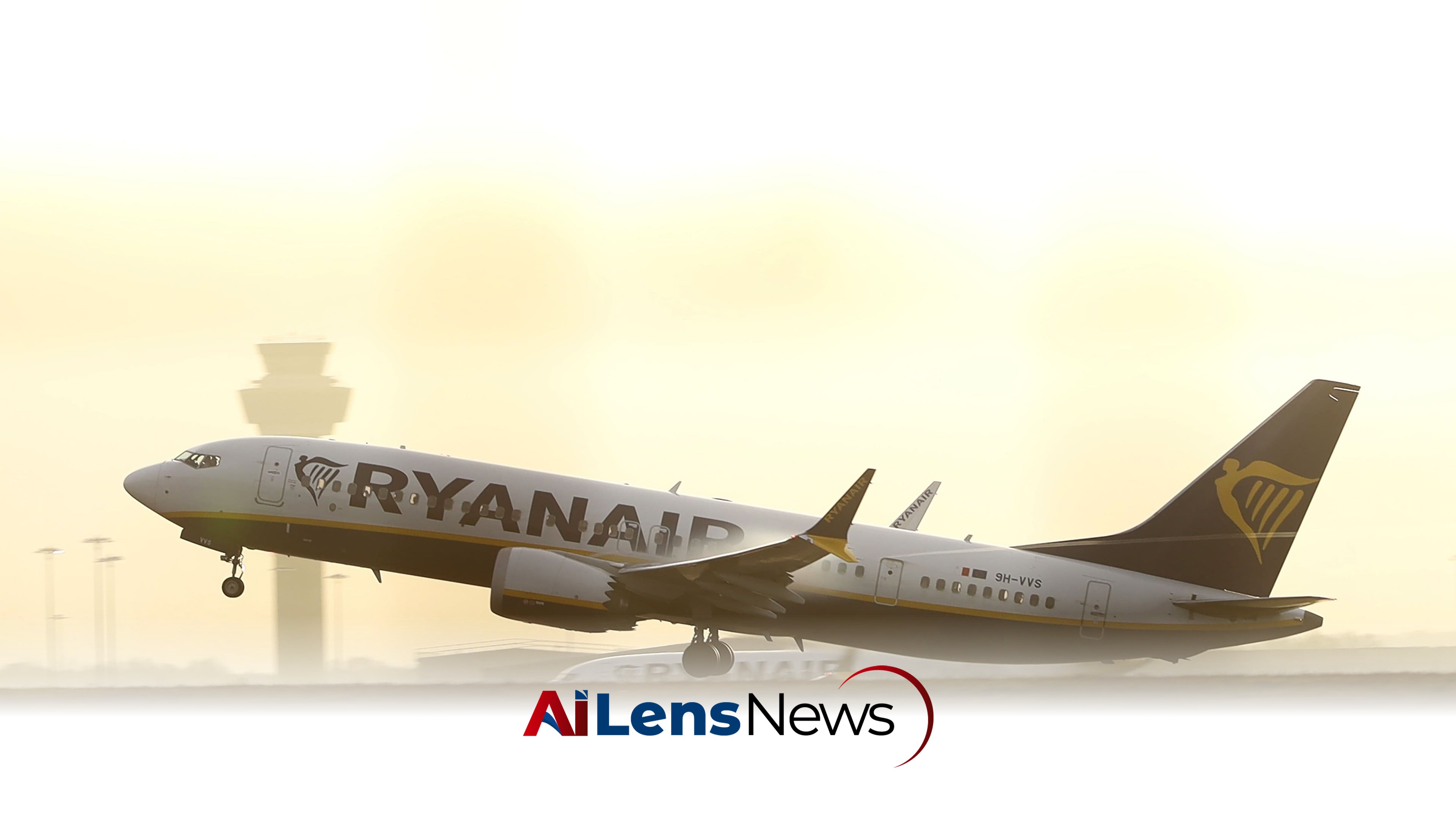


A Ryanair flight experienced a harrowing incident when a passenger was partially sucked out of the aircraft during turbulence, raising serious safety concerns.
London, United Kingdom Jul 22, 2026 ALN: A recent Ryanair flight was rocked by a terrifying incident that left passengers in shock. As the plane encountered severe turbulence, one passenger was partially ejected from the aircraft, leading to a chaotic scene in the cabin. This occurrence has raised significant concerns regarding passenger safety during turbulent flights and the protocols that airlines have in place to mitigate such risks.
The flight, which was en route to its destination, suddenly faced unexpected turbulence that caused panic among passengers. Eyewitness accounts describe a moment of sheer terror as the aircraft jolted violently, leading to the unfortunate incident. Turbulence is a common occurrence in aviation, often caused by weather conditions such as thunderstorms, jet streams, or changes in atmospheric pressure. However, the severity of this particular episode has prompted a closer examination of how airlines prepare for and respond to such situations.
According to reports, the turbulence struck suddenly, and the cabin crew struggled to maintain order as passengers reacted in fear. Witnesses stated that the affected passenger was seated near an emergency exit, which may have contributed to the severity of the situation. Seats located near emergency exits are designed for quick evacuation, but they can also present unique risks during turbulence if safety protocols are not strictly followed.
Emergency protocols were immediately activated, and the flight crew worked diligently to stabilize the aircraft while ensuring the safety of all passengers on board. The incident has raised questions about the safety measures in place for passengers seated near emergency exits during turbulent flights. Aviation safety experts emphasize the importance of adhering to seatbelt regulations, especially during times of turbulence, as these measures are critical for preventing injuries.
Upon landing, emergency services were waiting to assist the injured passenger, who was quickly transported to a nearby hospital for treatment. The airline has since issued a statement expressing its concern for the passenger's well-being and confirming that an investigation into the incident is underway. Such investigations typically involve multiple stakeholders, including the airline, aviation authorities, and safety agencies, to ensure a comprehensive analysis of the events leading up to the incident.
Ryanair has emphasized its commitment to passenger safety and is cooperating fully with aviation authorities to determine the cause of the turbulence and the subsequent incident. The airline's response will likely include reviewing its training procedures for flight crews and examining the protocols for managing turbulence, especially in relation to passenger safety in critical areas of the aircraft.
Passengers who experienced the incident have shared their harrowing stories, describing the moment as one filled with fear and uncertainty. Many expressed gratitude for the flight crew's quick response and professionalism during the crisis. The emotional impact of such incidents can be profound, often leaving lasting impressions on passengers. Survivors of in-flight emergencies frequently report heightened anxiety when flying in the future, which can affect their travel habits and preferences.
This incident serves as a stark reminder of the potential dangers associated with air travel, particularly during turbulent conditions. Passengers are urged to remain vigilant and adhere to safety instructions provided by cabin crew during flights. The Federal Aviation Administration (FAA) and other regulatory bodies continuously emphasize the importance of wearing seatbelts at all times when seated, as turbulence can strike unexpectedly.
The aviation community is closely monitoring the situation as more details emerge. The safety of passengers remains the top priority for airlines, and this incident will likely lead to further discussions on safety protocols and measures in place to protect travelers in the event of turbulence. Airlines may need to reassess their communication strategies regarding turbulence, ensuring that passengers are well-informed about safety procedures and the importance of compliance with crew instructions.
Furthermore, this event could prompt regulatory bodies to consider revising existing safety guidelines, especially concerning the seating arrangements of passengers near emergency exits. The aviation industry has a long history of learning from incidents and accidents, with each event serving as a catalyst for improved safety measures and training programs.
Turbulence is a well-documented phenomenon in aviation, with studies indicating that it is a leading cause of in-flight injuries. The National Transportation Safety Board (NTSB) has reported that turbulence results in more than 58 injuries annually, underscoring the necessity for passengers to remain seated with their seatbelts fastened during flight. Pilots are trained to anticipate and respond to turbulence, but the unpredictable nature of weather patterns can make it challenging to avoid turbulence altogether.
In recent years, advancements in technology have contributed to better forecasting and detection of turbulence, allowing pilots to make informed decisions about flight paths. However, despite these improvements, there are still instances where turbulence can be unexpected and severe. The aviation industry must continue to invest in research and development to enhance safety measures and improve passenger experiences during turbulent conditions.
As investigations continue, the airline industry is reminded of its responsibility to ensure the safety and well-being of all passengers. Incidents such as the one involving the Ryanair flight serve as important learning opportunities for airlines, regulatory bodies, and passengers alike. Moving forward, it is crucial for all stakeholders to engage in open dialogue about safety practices and to prioritize the implementation of effective measures designed to protect travelers in the face of unpredictable airborne conditions.
To learn more about the latest developments in Transport & Mobility, stay updated with our exclusive reports and analyses on AiLensNews.

