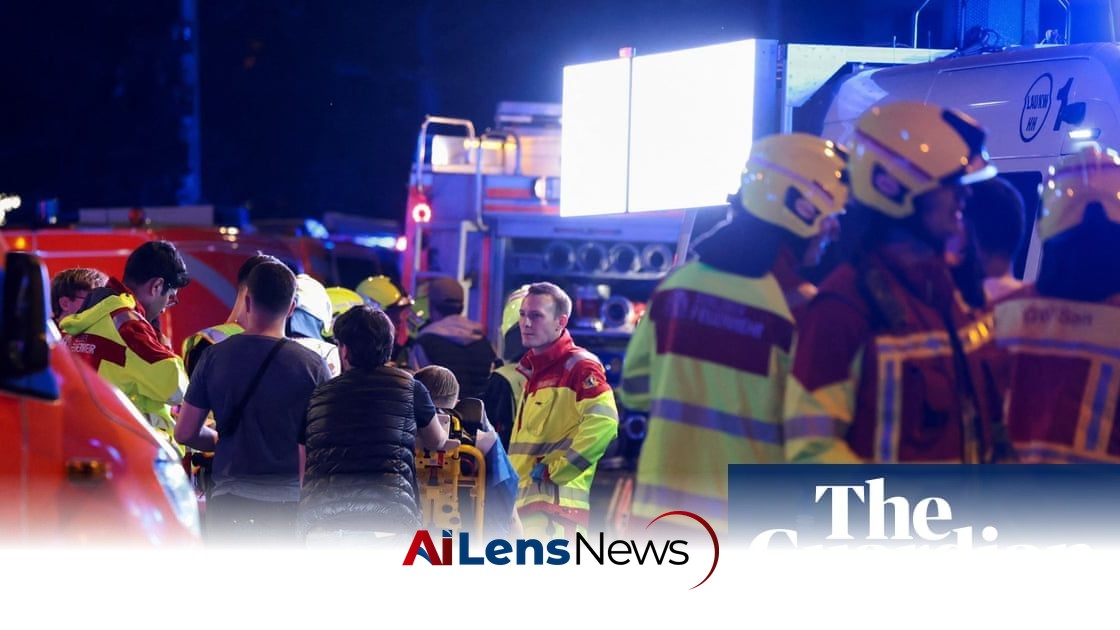


A van struck a crowd during Berlin's Gay Pride celebrations, resulting in one death and 16 injuries. The event was abruptly canceled as authorities investigate.
London, United Kingdom Jul 26, 2026 ALN: The tragic incident at the Berlin Pride celebrations has left the LGBTQ+ community and the broader public in shock. The attack, which occurred during one of Europe’s largest pride events, has raised significant concerns about safety, tolerance, and the ongoing struggle for LGBTQ+ rights in Germany and beyond. The implications of this attack extend far beyond the immediate tragedy, touching on societal attitudes, political climates, and the security measures necessary to protect public events.
The German Chancellor, Friedrich Merz, expressed his outrage and determination to ensure that those responsible for the attack are brought to justice. His statement reflects a growing concern among leaders regarding the safety of public gatherings, particularly those that celebrate diversity and inclusion. The attack on the pride event is not an isolated incident but part of a broader pattern of violence against marginalized communities, which has intensified in recent years across Europe. Reports indicate that hate crimes against LGBTQ+ individuals have seen a troubling increase, prompting calls for more robust protective measures and societal change.
On the night of the attack, the atmosphere was festive, with hundreds of thousands of participants gathered to celebrate LGBTQ+ pride under the warm summer sun. The event, known in Germany as Christopher Street Day (CSD), commemorates the Stonewall riots in New York City, which marked a pivotal moment in the fight for LGBTQ+ rights. The first CSD was held in West Berlin in 1979, and since then, it has grown into a symbol of resilience and pride for the LGBTQ+ community. Over the years, the event has evolved into a vibrant celebration that not only honors the history of the movement but also advocates for ongoing rights and protections for LGBTQ+ individuals.
However, this year’s celebrations took a dark turn when a white van swerved into the Tiergarten park, striking individuals who were enjoying the festivities. The police reported that 16 people were injured, with several sustaining life-threatening injuries. The swift response from emergency services highlighted the urgency of the situation, as a helicopter landing pad was set up near the Reichstag parliament building to facilitate the transport of the injured to hospitals. This rapid mobilization of emergency resources underscores the critical importance of preparedness in the face of such unexpected violence, especially in large public gatherings.
In the aftermath of the attack, authorities quickly initiated a manhunt for the driver of the van, who fled the scene. The police later discovered the abandoned vehicle within the park, raising questions about the motivations behind the attack and whether it was a targeted assault against the LGBTQ+ community. The urgency of the police response and the call for immediate evacuation from the event underscored the gravity of the situation, as attendees were urged to prioritize their safety. The investigation into the incident is expected to delve into the background of the perpetrator, potential affiliations with extremist groups, and the broader societal context that may have contributed to this act of violence.
The Berlin mayor, Kai Wegner, condemned the attack as an assault on the city’s values of freedom and diversity. His remarks resonated with many who view such acts of violence as direct threats to the progress made in the fight for LGBTQ+ rights. The mayor’s commitment to ensuring a thorough investigation reflects a recognition of the need for accountability and justice in the face of hate crimes. His statements were echoed by various community leaders and activists, who emphasized the importance of solidarity in the wake of such tragedies. They called for not only justice for the victims but also for a renewed commitment to combating hate and discrimination in all its forms.
The pride parade, which was themed “Taking a stand is hot,” aimed to address the increasing hostility faced by queer individuals in Germany. Organizers had noted a rise in violence and discrimination against the LGBTQ+ community, which they attributed to the growing popularity of far-right ideologies and political parties, such as the Alternative für Deutschland (AfD). This party has gained traction in recent years, and its rhetoric has been linked to a broader normalization of anti-LGBTQ+ sentiments in society. The rise of such political movements has contributed to a climate of fear among LGBTQ+ individuals, who now face not only social stigma but also potential violence in public spaces.
Prior to the parade, LGBTQ+ organizations had raised alarms about the increasing frequency of attacks and the potential erosion of hard-won rights. The climate of fear and uncertainty surrounding public celebrations of LGBTQ+ pride reflects the challenges that activists face in advocating for equality and acceptance. The attack at CSD serves as a stark reminder of the ongoing struggle against discrimination and violence, emphasizing the need for solidarity within the community and support from allies. It also highlights the importance of continued advocacy for legislation that protects LGBTQ+ rights and addresses hate crimes more effectively.
The implications of this incident extend to discussions about public safety at large events, particularly those that celebrate diversity. Organizers of pride events around the world may now face heightened scrutiny regarding security measures and crowd management. The tragic events in Berlin could prompt a reevaluation of how authorities protect participants at such gatherings, ensuring that individuals can celebrate their identities without fear of violence or discrimination. This may lead to increased collaboration between event organizers and law enforcement to develop comprehensive security protocols that prioritize attendee safety while preserving the celebratory nature of pride events.
Furthermore, the political ramifications of this attack are likely to resonate in the upcoming state elections in Berlin and beyond. As political leaders respond to the incident, there may be increased calls for policies that promote inclusivity and protect marginalized communities. The interplay between public safety, political rhetoric, and community activism will be crucial in shaping the future of LGBTQ+ rights in Germany. Politicians may face pressure to take a stand against hate crimes and to implement measures that foster a more inclusive society, particularly as public sentiment shifts in response to such violent acts.
As the investigation continues and the community mourns the loss of life and the injuries sustained, it is essential to remember the resilience of the LGBTQ+ movement. Events like the pride parade are not just celebrations; they are vital expressions of identity, resistance, and the ongoing fight for equality. The tragic attack at Berlin Pride serves as a painful reminder of the work that still lies ahead to ensure that all individuals can live freely and authentically, without fear of violence or discrimination. The community's response to this tragedy will likely shape the dialogue around LGBTQ+ rights and safety in the months and years to come.
In conclusion, the attack during Berlin’s Pride celebrations is a significant moment that underscores the ongoing challenges faced by the LGBTQ+ community in Germany and worldwide. The response from political leaders, law enforcement, and community organizations will be critical in addressing the implications of this incident and ensuring that the values of freedom, tolerance, and acceptance are upheld in the face of adversity. The legacy of pride events must continue to be one of resilience and hope, as the community rallies together to honor the victims and advocate for a safer, more inclusive future. The tragic events of this day will not be forgotten, and they will serve as a rallying point for continued activism and solidarity within and beyond the LGBTQ+ community.
To learn more about the latest developments in Crime & Law, stay updated with our exclusive reports and analyses on AiLensNews.

