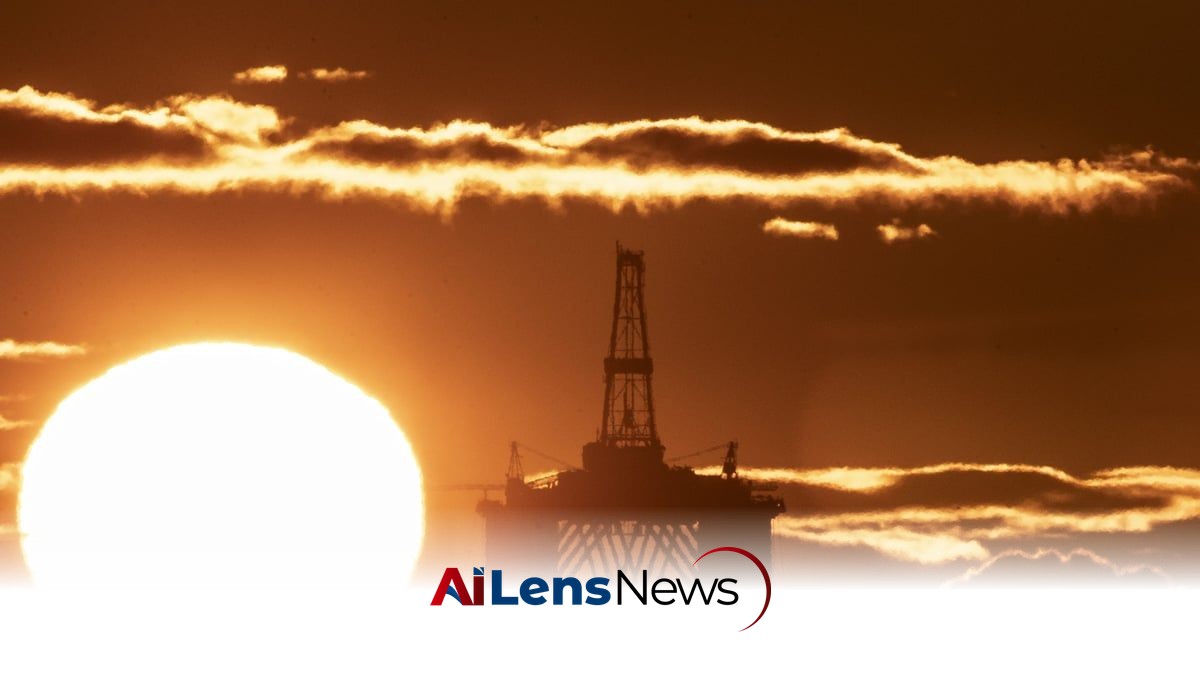


Industry leaders emphasize the importance of choosing homegrown oil and gas over imports in a letter to Labour MPs.
London, United Kingdom Jul 14, 2026 ALN: In a significant move, leaders from the North Sea oil and gas sector are preparing to send a strongly worded letter to Labour MPs, urging them to prioritize domestically produced oil and gas over imports. This initiative underscores the industry's view that supporting homegrown resources is a crucial policy choice for the UK. The North Sea has long been a cornerstone of the UK's energy strategy, and its leaders are now emphasizing the need for a renewed focus on domestic production in light of evolving economic and environmental landscapes.
The letter highlights the economic and environmental benefits of utilizing domestic energy sources. Industry executives argue that increasing reliance on local production can enhance energy security, create jobs, and reduce carbon footprints associated with transportation of imported fuels. In a world where energy security is increasingly threatened by geopolitical tensions and climate change, the North Sea oil and gas sector believes that bolstering domestic production could serve as a buffer against external shocks.
Choosing domestic oil and gas production is not just an environmental consideration; it also has significant economic implications. The North Sea sector is a vital contributor to the UK economy, providing thousands of jobs and generating substantial tax revenues. According to industry estimates, the sector has historically contributed billions to the UK’s GDP, supporting not only direct employment but also creating a ripple effect in ancillary industries such as manufacturing, transportation, and services. By focusing on homegrown resources, the government can stimulate local economies and support communities that depend on these industries.
Moreover, the current economic climate, characterized by rising inflation and cost-of-living challenges, has intensified the need for sustainable job creation. The oil and gas sector argues that investing in domestic production is a pathway to not only maintain but also expand job opportunities in regions that have historically relied on these industries. This is particularly relevant for areas in Scotland and the northeast of England, where the North Sea oil and gas operations are a major employer.
Additionally, the sector’s contribution to the UK economy extends beyond immediate job creation and tax revenues. The oil and gas industry also plays a critical role in supporting the UK's energy independence. As global energy markets fluctuate and geopolitical tensions rise, reliance on imported fuels can pose risks to national energy security. By prioritizing domestic production, the UK can mitigate these risks and ensure a stable supply of energy for its citizens and industries.
In addition to economic factors, the environmental impact of energy sourcing is becoming increasingly important. The oil and gas industry asserts that domestic production can be managed with stricter environmental regulations compared to imports, which may not adhere to the same standards. This perspective aligns with broader governmental goals of reducing carbon emissions and promoting sustainability. The industry is actively working to implement technologies that minimize environmental harm, such as carbon capture and storage (CCS), which could play a significant role in mitigating the impact of fossil fuel production.
Furthermore, the narrative around climate change has shifted public perception, with an increasing number of citizens advocating for sustainable practices. Industry leaders argue that by investing in domestic resources, they can better control environmental standards and contribute to the UK’s commitment to meet international climate targets. This aligns with the government’s objectives to transition towards greener energy sources while recognizing the current reliance on oil and gas as a transitional necessity.
Moreover, the North Sea oil and gas sector is increasingly investing in renewable energy projects, demonstrating a commitment to diversifying energy sources and reducing carbon emissions. This investment not only helps address environmental concerns but also positions the sector as a proactive participant in the energy transition, potentially leading to innovations that can benefit both the economy and the environment.
The timing of this letter is particularly significant given the current political climate. With the Labour Party potentially influencing future energy policies, industry leaders are keen to make their voices heard. They believe that a commitment to domestic production could align with Labour's goals of job creation and economic resilience. The Labour Party has been vocal about the need for a just transition towards renewable energy, and the North Sea oil and gas sector is positioning itself as a partner in this transition rather than an adversary.
As the political landscape evolves, the North Sea industry is also facing challenges from environmental advocacy groups and a growing push for renewable energy. The leaders are aware that they must navigate these complexities while advocating for their interests. The letter to Labour MPs is part of a broader strategy to engage with policymakers and ensure that the voices of the oil and gas sector are included in discussions about the future of energy in the UK.
In recent years, the UK government has made strides towards reducing carbon emissions, with ambitious targets set for the coming decades. The oil and gas sector's call for prioritizing domestic production could play a crucial role in shaping these policies. By presenting themselves as an essential part of the solution, industry leaders hope to influence the direction of energy policy while also ensuring their own survival in a rapidly changing market.
As the North Sea oil and gas sector prepares to communicate its stance to Labour MPs, the emphasis on domestic production highlights a pivotal moment in the UK's energy policy debate. The industry's leaders are advocating for a strategic shift that prioritizes local resources, aiming to foster economic growth while addressing environmental concerns. This move could set the stage for a more integrated energy policy that balances the need for energy security, economic stability, and environmental responsibility. The outcome of this initiative may have lasting implications for the future of the UK's energy landscape, particularly as it navigates the dual challenges of climate change and energy dependency.
Ultimately, the conversation surrounding domestic oil and gas production is not merely about the economic and environmental benefits; it is also about the future of energy in the UK. As global energy dynamics shift and the demand for sustainable practices grows, the North Sea oil and gas sector finds itself at a crossroads. The decisions made now will shape the industry for years to come, influencing not only the economic landscape but also the environmental legacy that the UK leaves for future generations.
To learn more about the latest developments in Crime & Law, stay updated with our exclusive reports and analyses on AiLensNews.

