

A man in his 40s has been charged following the interception of a suspected dissident republican bomb near the Irish border. He is set to appear in court on Saturday.
London, United Kingdom Jul 26, 2026 ALN: The recent interception of a suspected dissident republican bomb near the Irish border has raised significant concerns regarding security and the ongoing threat posed by such groups in the region. Gardaí, the national police service of Ireland, have taken decisive action following the discovery of explosives in a vehicle on the N2 road close to Carrickmacross, County Monaghan. This incident underscores the persistent issues related to dissident republican activity, which has been a concern for law enforcement agencies in both the Republic of Ireland and Northern Ireland.
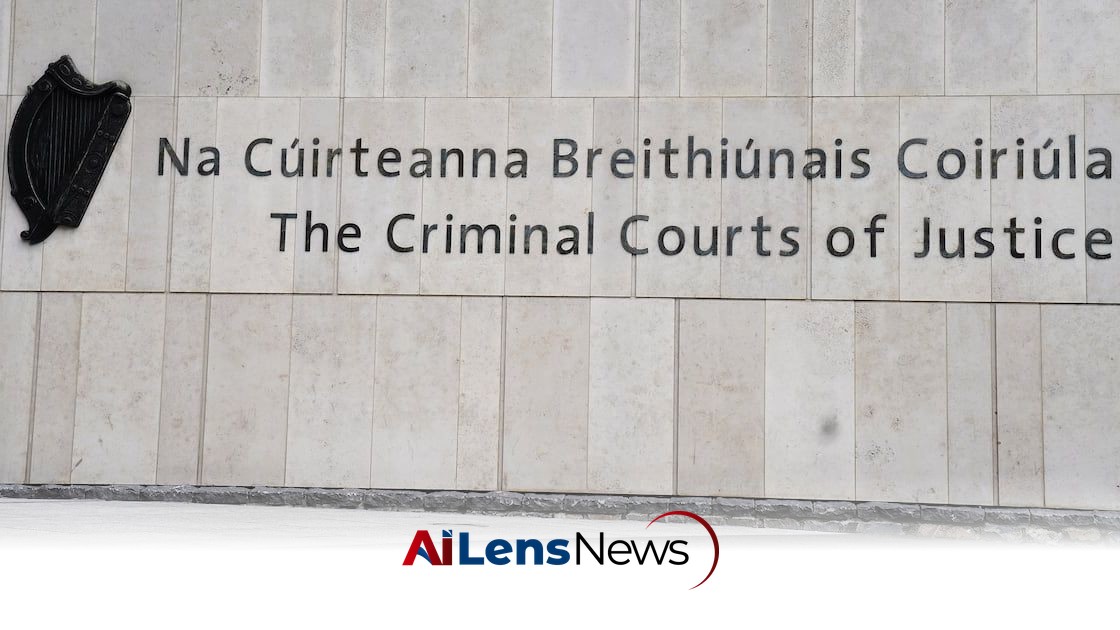
A man in his 40s has been charged in connection with this case and is expected to appear before the Special Criminal Court in Dublin. The Special Criminal Court is a non-jury court that deals with serious criminal offenses, particularly those relating to organized crime and terrorism. The use of this court indicates the severity of the charges and the potential implications for public safety.
The incident took place on a Wednesday afternoon when detectives conducted an intelligence-led operation, stopping and searching a vehicle on the N2. This proactive approach by law enforcement reflects ongoing efforts to combat the threat of terrorism and organized crime in the area, particularly from dissident republican groups that reject the peace process established by the Good Friday Agreement in 1998. These groups continue to pose challenges to the stability of both the Republic of Ireland and Northern Ireland, often engaging in violent acts and promoting a united Ireland through illegal means.
In a related development, a 25-year-old law student named Isobella Perrie Sullivan was also charged with possession of explosives. Her arrest occurred during the same operation on the N2, where a bag containing Semtex, a powerful plastic explosive, and a detonator was found in the back of her car. The presence of such materials raises alarms about the potential for violent acts and the involvement of individuals who may not be directly affiliated with organized terrorist groups but who may still play a role in facilitating their activities.
Perrie Sullivan's solicitor, Gavin Booth, stated that she had been asked to transport the bag to Northern Ireland and was reportedly unaware of the contents. This claim highlights a concerning trend where individuals, often young and impressionable, may be unwittingly drawn into criminal activities without fully understanding the implications of their actions. The legal proceedings against her will explore the extent of her knowledge and involvement, and her case is particularly significant given her status as a law student, which may lead to broader discussions about the influence of extremist ideologies on young people.
Despite being granted bail, Perrie Sullivan remains in custody pending a further bail hearing. The conditions attached to her bail are stringent, reflecting the serious nature of the charges against her. These conditions include a €15,000 independent surety, the surrender of her passport, a curfew from 9 PM to 7 AM, and daily check-ins at Naas Garda Station. Such measures are designed to mitigate the risk of flight and ensure that she remains under supervision while the legal process unfolds.
The implications of these arrests extend beyond the individual cases. They serve as a reminder of the ongoing challenges faced by law enforcement in combating terrorism and organized crime in Ireland. The use of explosives and the involvement of young individuals in such activities point to a potential recruitment strategy employed by dissident republican groups, which may seek to exploit the vulnerabilities of youth for their own agendas.
Moreover, the incident has sparked discussions about the effectiveness of current measures to prevent the proliferation of explosives and the need for greater community engagement in counter-terrorism efforts. The Gardaí have been actively working to build relationships with local communities, aiming to foster trust and encourage the reporting of suspicious activities. This community-oriented approach is crucial in gathering intelligence and preventing future incidents.
As the legal proceedings progress, the focus will likely shift to the broader implications of these arrests for public safety and the ongoing fight against extremism in Ireland. The involvement of young individuals in such serious offenses raises questions about education, awareness, and the role of society in preventing radicalization.
The historical context of dissident republican activity is essential to understanding the current situation. Following the signing of the Good Friday Agreement in 1998, which largely ended the violent conflict known as The Troubles, the vast majority of paramilitary groups laid down their arms and entered into the political process. However, a small faction of dissident republicans has continued to reject the peace process, arguing that the agreement did not go far enough in addressing their goals of a united Ireland. These groups, such as the Real IRA and the Continuity IRA, have resorted to violence and terrorism to further their aims, creating a persistent threat to security in both Northern Ireland and the Republic of Ireland.
In recent years, there have been sporadic incidents of violence attributed to these dissident groups, including bombings, shootings, and other forms of intimidation. Law enforcement agencies have been vigilant in monitoring these activities, often conducting operations to disrupt potential threats. The interception of the bomb near Carrickmacross is a stark reminder of the ongoing risks that these groups pose, not only to public safety but also to the fragile peace that has been established in the region.
This incident also brings to light the challenges faced by law enforcement in terms of resource allocation and community relations. The Gardaí and the Police Service of Northern Ireland (PSNI) have been working collaboratively to share intelligence and coordinate efforts to combat the threat of terrorism. However, the need for increased funding and support for these agencies is often highlighted, as they navigate the complexities of policing in a post-conflict society.
Furthermore, the role of education and community engagement cannot be overstated in addressing the root causes of radicalization. Programs aimed at promoting social cohesion, providing support for at-risk youth, and fostering dialogue within communities are essential components of a comprehensive counter-terrorism strategy. The involvement of young individuals in criminal activities, as seen in the case of Perrie Sullivan, underscores the need for proactive measures to educate and empower youth, steering them away from extremist ideologies.
As the legal proceedings against those involved in this incident unfold, it will be crucial to monitor how the courts address the complexities of these cases. The outcomes may have significant implications for future law enforcement strategies and community relations in both the Republic of Ireland and Northern Ireland. The judicial system's handling of such cases will also be closely scrutinized, particularly in terms of balancing public safety with the rights of the accused.
In conclusion, the recent arrests related to the suspected dissident republican bomb near the Irish border highlight significant security concerns in the region. The actions of Gardaí reflect an ongoing commitment to addressing the threats posed by such groups, while the legal proceedings against those involved will be closely monitored as they unfold. The implications of these events extend beyond the immediate legal ramifications, touching upon issues of youth involvement in extremism, community safety, and the effectiveness of counter-terrorism strategies in Ireland. As the situation develops, it will be essential for all stakeholders to engage in constructive dialogue and collaboration to ensure the continued safety and stability of the region.
To learn more about the latest developments in Crime & Law, stay updated with our exclusive reports and analyses on AiLensNews.

