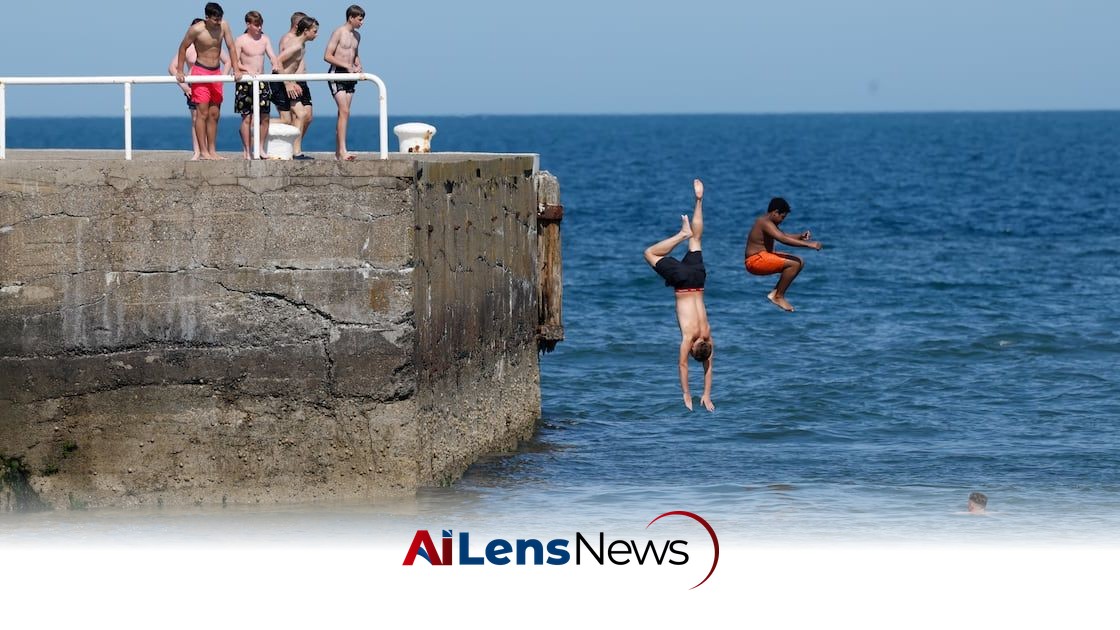


Met Éireann warns of temperatures reaching up to 30 degrees, with a yellow warning in effect across much of the country until Friday morning.
London, United Kingdom Jul 15, 2026 ALN: In recent days, Ireland has been experiencing a significant rise in temperatures, prompting Met Éireann, the national meteorological service, to issue a status yellow high temperature warning. This alert, effective from noon on Wednesday, highlights the potential for maximum temperatures to exceed 27 degrees Celsius across many regions of the country. Such high temperatures are unusual for Ireland, where the climate is typically temperate, and can pose health risks, particularly for vulnerable populations.
The warning is set to last until 6am on Friday, with forecasts indicating that some areas could see temperatures soar as high as 30 degrees Celsius. The forecaster has indicated that Wednesday is expected to be particularly warm or hot, with the highest temperatures likely occurring in the southern and western parts of the country. These conditions are expected to persist through Thursday and Friday, with temperatures remaining in the range of 24 to 29 degrees Celsius.
As the country braces for this heatwave, the implications of such high temperatures extend beyond mere discomfort. The National Severe Weather and Flood Coordination Group convened on Tuesday to address the potential impacts of the ongoing heat. Among the concerns raised were the risks of drought conditions, animal welfare issues, and the increased likelihood of wildfires and forest fires due to the dry and hot weather. These environmental concerns are particularly pertinent in the context of climate change, which has led to more frequent and intense heat events across the globe.
In addition to environmental impacts, the heatwave poses significant public health risks. The group warned of potential disruptions to public transport, increased instances of heat stress and dehydration, and heightened water safety issues due to a rise in swimming activity as individuals seek relief from the heat. The health implications are especially critical for vulnerable groups, including the elderly, those with pre-existing health conditions, and young children, who may be more susceptible to heat-related illnesses.
In response to the heatwave and its associated challenges, Minister for Housing James Browne emphasized the importance of community awareness and support. He urged the public to be vigilant and look out for anyone who may need assistance during this period of extreme heat. The Minister also highlighted the need for individuals to heed advice from health authorities, Met Éireann, and local government bodies to mitigate the risks associated with the heatwave.
The rising temperatures have led to increased discussions about the importance of public health preparedness in the face of extreme weather events. Health authorities have been proactive in disseminating information about heat-related illnesses, including heat exhaustion and heatstroke, which can occur when the body becomes unable to regulate its temperature. Symptoms of heat exhaustion include heavy sweating, weakness, dizziness, nausea, and headache, while heatstroke is a more severe condition that can result in confusion, loss of consciousness, and even death if not treated promptly.
As part of the government's response to the heat, a six-week-long water-conservation order, commonly referred to as a hosepipe ban, is set to take effect at one minute past midnight on Thursday. This ban will apply to Dublin, large parts of Wicklow, Kildare, Meath, Wexford, and south Tipperary. The introduction of this ban underscores the strain that the prolonged dry weather is placing on local water supplies, as increased temperatures lead to higher water consumption rates and evaporation. Water conservation measures are critical in ensuring that essential supplies are maintained for both residential use and agricultural needs.
The heatwave is not an isolated event; it is part of a broader pattern of changing weather conditions influenced by climate change. Over the past few years, Ireland has witnessed a series of unusual weather phenomena, including more frequent heatwaves, heavy rainfall, and flooding. These changes have prompted discussions about the need for enhanced climate resilience strategies, including better water management practices and public health preparedness. Climate change has been recognized as a driving force behind the increasing variability of weather patterns, leading to extreme conditions that can disrupt daily life and economic activities.
In light of the current heatwave, it is noteworthy that five weather stations across Ireland have officially reached heatwave status, having recorded temperatures exceeding 25 degrees Celsius for five consecutive days. These stations include Shannon Airport in County Clare, Moore Park in County Cork, Athenry in County Galway, Valentia in County Kerry, and Oak Park in County Carlow. Shannon Airport recorded the highest temperature on Tuesday, with provisional data indicating a peak of 29 degrees Celsius. The recognition of these stations as heatwave sites highlights the widespread nature of the current weather conditions and the need for continued monitoring and response.
The potential for extending the high temperature warning to additional southern counties in the coming days reflects the ongoing uncertainty surrounding weather patterns as the country moves through the summer months. While temperatures are expected to decrease slightly after Friday, they are still projected to remain in the range of 22 to 26 degrees Celsius over the weekend. This sustained warmth may continue beyond the weekend, further raising concerns about water conservation and public health. The extended heat could exacerbate existing issues, such as water shortages and health risks, particularly if individuals do not take adequate precautions.
As the heatwave progresses, it is essential for residents to stay informed about weather updates and to take necessary precautions to protect themselves and others from the adverse effects of extreme heat. Simple measures, such as staying hydrated, avoiding strenuous outdoor activities during peak heat hours, and checking in on vulnerable neighbors, can make a significant difference in ensuring safety and well-being during this challenging weather event. Community initiatives aimed at providing support and resources to at-risk populations can also play a crucial role in mitigating the impacts of the heatwave.
In conclusion, the current heatwave in Ireland serves as a reminder of the increasing frequency of extreme weather events linked to climate change. It highlights the need for proactive measures to address the associated risks and to foster community resilience in the face of changing climatic conditions. As the country navigates the challenges posed by this heatwave, collaboration between government agencies, health authorities, and the public will be vital in mitigating its impacts and ensuring the safety of all residents. The situation underscores the importance of ongoing research into climate adaptation strategies and the necessity of public engagement in discussions about climate resilience and sustainability.
To learn more about the latest developments in Health & Public Safety, stay updated with our exclusive reports and analyses on AiLensNews.

