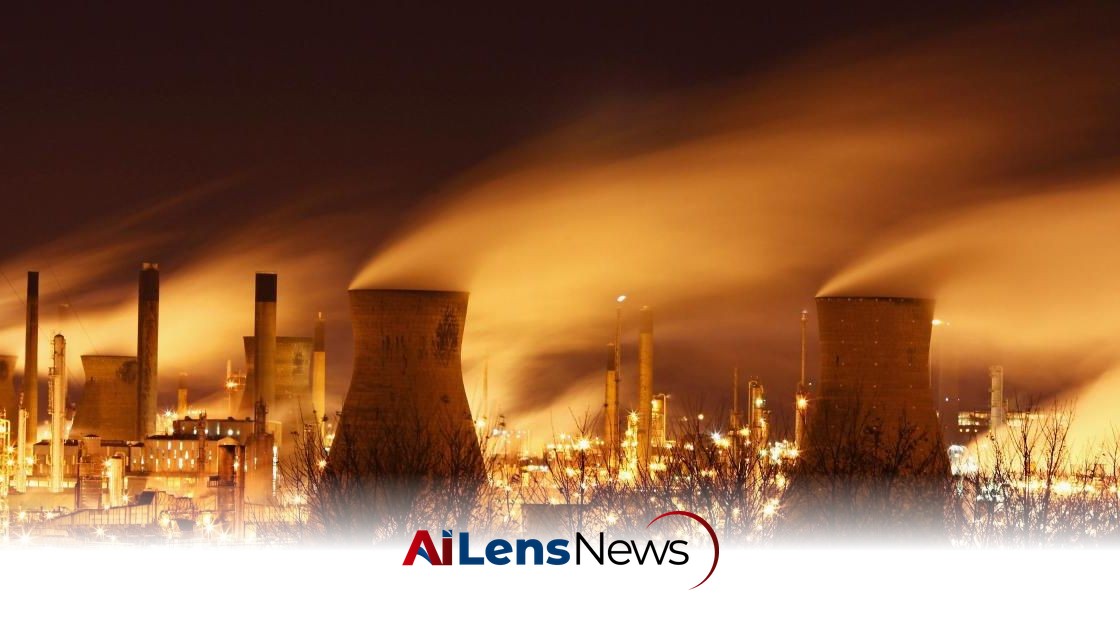


The closure of Scotland's Grangemouth refinery has led to a significant increase in heating oil prices, impacting thousands of households across the country.
London, United Kingdom Jul 18, 2026 ALN: The closure of the Grangemouth refinery has made Scotland more vulnerable to the UK's largest heating oil price surge, according to a recent investigation by the Competition and Markets Authority (CMA). This development has significant implications for the approximately 127,000 Scottish households that rely solely on heating oil, particularly as these households are now facing steep price increases exacerbated by geopolitical tensions in the Middle East that have disrupted fuel supplies.
In just one month, prices in Scotland surged by an average of 44p per litre, reaching 113p per litre. This increase has outpaced similar rises in England, Wales, and Northern Ireland, a trend highlighted by the CMA's analysis. The report illustrates how Scotland's unique circumstances—characterized by fewer fuel supply points, a heavier reliance on imports, and smaller, less reliable fuel terminals—have intensified the impact of these price hikes on consumers.
Before its closure in April 2025, Grangemouth was a key fuel producer for Scotland, supplying a significant portion of the region's energy needs. The transition from a refinery to an import terminal has reportedly increased the cost of most fuels by around 2p per litre, further straining the budgets of households dependent on heating oil. The UK and Ireland Fuel Distributors Association (UKIFDA) has submitted evidence to the CMA detailing how the closure has altered Scotland's fuel supply chain, leading to higher costs for distributors and, consequently, consumers.
As the conflict in the Middle East escalated, Scotland experienced the largest rise in heating oil prices in Britain. The CMA reported that average prices in Scotland jumped by 44p per litre between February and March, compared to increases of 42p in Wales, 38p in England, and 35p in Northern Ireland. Across the UK, average prices rose from 64p to 104p per litre, reflecting a staggering 64% increase. This spike in prices has raised serious concerns about energy affordability, particularly for vulnerable households.
In response to the CMA's recommendations, the Scottish Government is considering developing a permanent price-checking tool to help consumers navigate these rising costs. Such a tool could provide valuable transparency and assist households in making informed decisions about their heating oil purchases, potentially alleviating some of the financial pressure they currently face.
Prior to the refinery's closure, Grangemouth was the primary source of fuel for much of Scotland. Since then, distributors have had to depend on imported supplies, which are transported from ports across the country. This reliance on imports has introduced additional complexities to the supply chain, as well as heightened costs associated with transportation and logistics. As fuel is shipped from various ports, the potential for delays increases, particularly during times of geopolitical instability.
Heating oil is predominantly used in rural areas and by communities with a higher proportion of older residents. The fuel, primarily kerosene, can either be refined locally or imported. Homes relying on heating oil are often older and less energy-efficient, which leads to higher heating costs. This demographic reality means that many households are already struggling with financial challenges, and the recent price increases only exacerbate their situation.
Petroineos, the company that operated the Grangemouth site, previously supplied the majority of fuel used in Scotland, accounting for around 70% of fuel consumption, excluding offshore use. The CMA's analysis indicates that the reasons for regional price disparities are complex, with multiple market pressures contributing to the situation. However, the report identified that the larger price increases in Scotland were primarily driven by heightened distributor costs, particularly in remote areas where long delivery routes and limited infrastructure make supplying customers more expensive.
The CMA stated, "Scotland has wholesale supply issues, which can increase the prices that heating oil households in Scotland pay." They also noted consistent evidence that Scotland is particularly affected by these wholesale supply challenges. This highlights the need for a comprehensive review of the energy market in Scotland, as well as potential regulatory reforms to address the unique challenges faced by consumers in the region.
Consumer Scotland reported that the average quoted price for 1,000 litres of heating oil nearly doubled in March, soaring from £736 at the beginning of the month to £1,527 by the end, based on BoilerJuice data. This dramatic increase not only impacts household budgets but also raises broader questions about energy security and the resilience of the heating oil market in Scotland.
Before the crisis, Scotland already had some of the highest heating oil prices in Britain, averaging around 7% higher than the UK average. Geographical factors further complicate the issue, with deliveries sometimes requiring round trips of up to 200 miles to reach remote communities. In contrast, drivers in more densely populated areas of England and Northern Ireland can make more than 20 deliveries in a day, which reduces their operational costs and allows for more competitive pricing.
The CMA concluded that households in certain parts of Scotland face greater challenges and are particularly vulnerable to price increases compared to the rest of the UK. This vulnerability is exacerbated by the fact that many of these households are reliant on heating oil as their primary source of energy, leaving them exposed to market fluctuations.
Energy Minister Stephen Gethins welcomed the CMA's findings, emphasizing the need for stronger consumer protections. He stated, "Given the current and ongoing volatility of international events, it is critical that the UK Government makes urgent progress to make market regulation fit for purpose. We stand ready to work with them to ensure any changes address the challenges faced by Scottish households." This statement underscores the urgency of the situation and the need for collaborative efforts between government bodies and industry stakeholders to ensure that consumers are protected from further price shocks.
As discussions continue regarding the future of Scotland's energy supply, it is clear that the closure of the Grangemouth refinery has had far-reaching implications for the heating oil market. The situation calls for a comprehensive approach that not only addresses immediate price concerns but also considers long-term strategies for energy independence and sustainability in Scotland. Policymakers must take into account the unique challenges faced by rural communities and work towards creating a more resilient energy infrastructure that can withstand external pressures and fluctuations in the global market.
To learn more about the latest developments in Economy, stay updated with our exclusive reports and analyses on AiLensNews.

