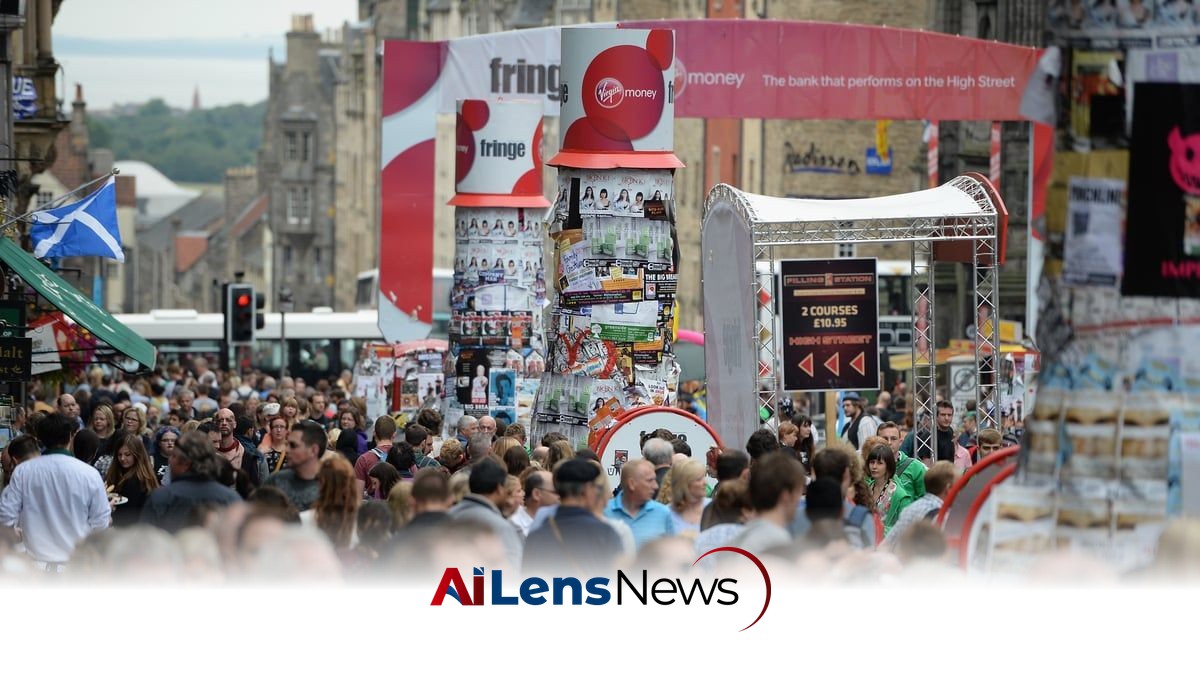



The Fringe Festival director expresses worries about the effectiveness of Edinburgh's new visitor levy in supporting local events, particularly in Leith.
London, United Kingdom Jul 31, 2026 ALN: The introduction of the visitor levy by Edinburgh City Council marks a significant shift in how the city seeks to fund its cultural and infrastructural needs. This levy, which charges tourists a small fee for their stay, is intended to generate additional revenue that can be reinvested into local projects, including those that support the arts and culture sector. However, the implementation of this levy has not been without its challenges, as evidenced by the concerns raised by the director of the Fringe Festival, one of the city’s most prominent cultural events.
The Fringe Festival, which has been a staple of Edinburgh’s cultural scene for decades, attracts thousands of performers and millions of visitors each year. It is renowned for its diverse array of performances, ranging from theatre and comedy to music and dance. The festival not only showcases local talent but also draws international acts, contributing significantly to the city’s economy. However, the festival's director has expressed skepticism regarding the direct benefits of the newly implemented visitor levy, stating, "We're just not seeing any of it." This remark underscores a growing concern among local stakeholders about the disconnect between the anticipated financial influx from the levy and the actual support being felt on the ground.
One of the key issues at play is the allocation of the funds generated by the visitor levy. While the levy was designed to bolster the cultural offerings of Edinburgh, many organizers and local businesses are questioning whether the funds are being directed towards the areas that need it most. For instance, Leith, a vibrant area known for its artistic community, has been highlighted as a region that could greatly benefit from additional support. The director's comments reflect a broader anxiety that the funds may not be reaching the grassroots level where they are most needed, potentially jeopardizing the future of local events.
The visitor levy was introduced with the hope of not only enhancing the city’s cultural landscape but also improving infrastructure that supports tourism. The expectation was that this additional revenue would allow for better facilities, public transport, and amenities that would enhance the overall visitor experience. However, the initial feedback from key figures in the arts community suggests that the implementation of the levy has not yet translated into visible benefits. This discrepancy raises important questions about the effectiveness of the levy as a funding mechanism and whether it is capable of meeting the diverse needs of Edinburgh’s cultural sector.
Moreover, the success of the Fringe Festival is closely tied to the economic health of the city during the festival season. Local businesses, artists, and performers rely heavily on the influx of tourists that the festival brings. As such, the concerns raised by the Fringe director resonate with a wider audience that includes local entrepreneurs and creatives who are watching closely to see how the visitor levy will impact their livelihoods. Many hope that the funds generated will lead to tangible results that enhance the cultural offerings of the city and support local initiatives.
The implications of the visitor levy extend beyond immediate financial concerns. They touch on broader themes of sustainability, community support, and the future of arts funding in Edinburgh. As cities around the world grapple with the challenges of funding arts and culture, Edinburgh’s approach could serve as a case study for other municipalities considering similar measures. The effectiveness of the visitor levy could influence how other cities balance the needs of tourists with those of local residents and artists.
In light of these concerns, stakeholders are calling for greater transparency and accountability regarding the management of the funds generated by the visitor levy. Many are advocating for a clear framework that outlines how the money will be allocated and the specific projects it will support. This could help to rebuild trust among local organizers and ensure that the funds are utilized effectively to bolster the arts and culture sector.
Furthermore, the conversation surrounding the visitor levy and its impact on the Fringe Festival may prompt a broader dialogue about the future of arts funding in Edinburgh. As the city continues to recover from the impacts of the COVID-19 pandemic, there is a pressing need for sustainable funding models that can support the arts in both the short and long term. This includes not only the visitor levy but also potential partnerships with local businesses, government grants, and community initiatives aimed at fostering a vibrant cultural scene.
In conclusion, while the visitor levy was designed to provide much-needed financial support for Edinburgh’s cultural landscape, its current implementation has left many in the arts community feeling uncertain about its benefits. The concerns raised by the Fringe Festival director highlight the need for a more robust and transparent approach to funding arts and culture in the city. As stakeholders continue to advocate for effective use of the levy funds, it remains to be seen how the city will respond to these calls for accountability and support for local events and initiatives.
The visitor levy has been a contentious topic among various stakeholders in Edinburgh, including local government officials, tourism operators, and cultural organizations. The city council has emphasized that the levy is a necessary step to ensure that the influx of tourists contributes to the maintenance and development of the city’s infrastructure and cultural offerings. The council argues that the funds generated will help address the wear and tear caused by the millions of visitors who flock to Edinburgh each year, particularly during peak seasons like the Fringe Festival.
In addition to the Fringe Festival, Edinburgh is home to a plethora of other festivals and events that draw significant crowds, including the Edinburgh International Festival, the Edinburgh International Book Festival, and the Edinburgh International Science Festival. Each of these events plays a crucial role in the city’s identity and economy, creating a unique cultural tapestry that attracts visitors from around the globe. The success of these festivals is intrinsically linked to the city’s reputation as a cultural capital, and any perceived failure to adequately fund and support them could have long-lasting repercussions.
As the debate surrounding the visitor levy continues, it is crucial to recognize the broader economic context in which these discussions are taking place. The COVID-19 pandemic has had a profound impact on the tourism and arts sectors, with many businesses struggling to recover from the losses incurred during lockdowns and restrictions. The introduction of the visitor levy was seen as a potential lifeline, but the concerns raised by the Fringe Festival director suggest that the reality may not align with the initial expectations.
In the face of these challenges, it is essential for stakeholders to engage in constructive dialogue to ensure that the visitor levy serves its intended purpose. This may involve regular consultations between the city council, cultural organizations, and local businesses to assess the impact of the levy and make necessary adjustments to its implementation. By fostering a collaborative approach, Edinburgh can work towards creating a more sustainable and equitable funding model for the arts that benefits both visitors and residents alike.
Ultimately, the success of the visitor levy will depend on the city’s ability to effectively communicate its goals and demonstrate the tangible benefits that result from this new funding mechanism. Transparency in the allocation of funds, as well as ongoing engagement with the arts community, will be critical in building trust and ensuring that the levy fulfills its promise of supporting Edinburgh’s rich cultural landscape. As the city navigates this new chapter in arts funding, the lessons learned from the visitor levy experience could inform future initiatives aimed at sustaining and enhancing the arts in Edinburgh for generations to come.
To learn more about the latest developments in Local & Regional, stay updated with our exclusive reports and analyses on AILensNews.

