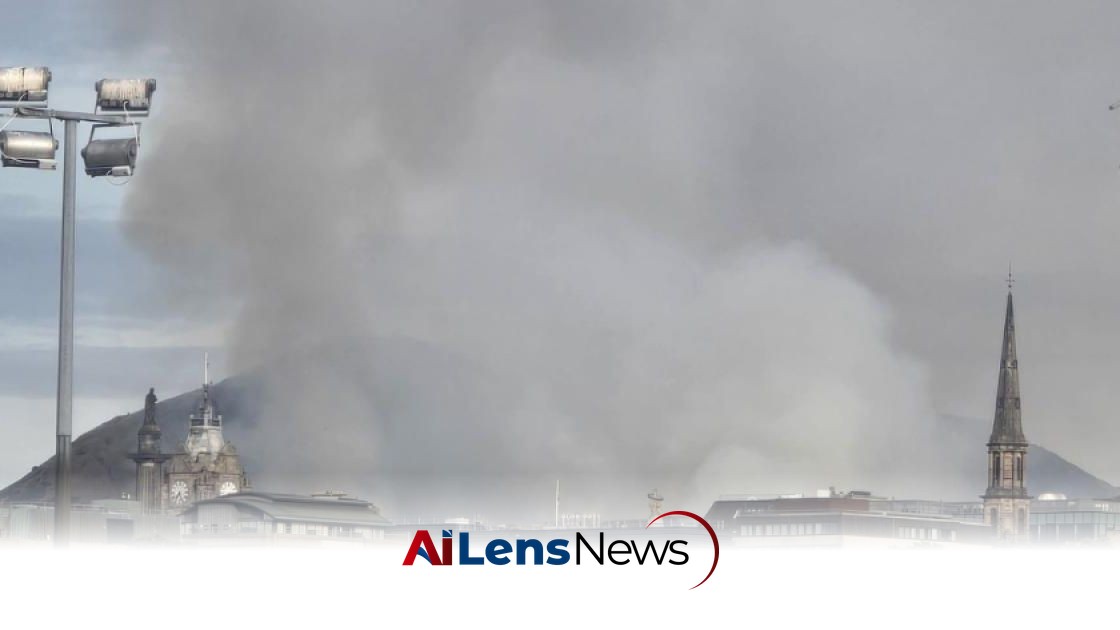


Fire crews are responding to a significant blaze at Arthur's Seat, with smoke visible across Edinburgh. Four fire appliances are on the scene.
London, United Kingdom Jul 20, 2026 ALN: Firefighters are currently battling a blaze at Arthur’s Seat in Edinburgh, with locals reporting large plumes of smoke billowing into the sky. Arthur's Seat, a dormant volcano and one of the main landmarks in Edinburgh, attracts both locals and tourists for its stunning views and historical significance. The area is part of Holyrood Park, which is known for its rugged terrain and rich biodiversity, making it a popular destination for outdoor activities such as hiking and picnicking. However, the natural beauty of this site can also be threatened by wildfires, especially during dry spells.
The Scottish Fire and Rescue Service confirmed that crews were called to the iconic site at 6:38 PM on Sunday following multiple reports of the fire. The prompt response from the fire service is indicative of the potential dangers posed by wildfires, particularly in urban areas where residential properties are in close proximity to natural landscapes. Firefighters are trained to handle such emergencies, but the unpredictable nature of wildfires can complicate their efforts. The terrain around Arthur's Seat, characterized by steep slopes and dense vegetation, poses additional challenges for firefighting operations.
One resident, who raised the alarm, mentioned they could "smell" the smoke from Inverleith Park, indicating the fire's intensity. This highlights not only the severity of the blaze but also the potential health risks associated with smoke inhalation for those living nearby. Smoke from wildfires can carry harmful particulates that affect air quality, posing risks especially to vulnerable populations such as children, the elderly, and individuals with pre-existing respiratory conditions. The health implications of smoke exposure can lead to increased hospital visits and exacerbate existing health issues, underscoring the need for swift action in such incidents.
Images shared with local news outlets depict thick black clouds of smoke rising above Holyrood Park, alarming many in the vicinity. The visual impact of the fire serves as a stark reminder of the fragility of natural ecosystems and the immediate threats posed to both wildlife and human habitation. The sight of smoke can also evoke fears of the fire spreading, which could lead to evacuations and further disruptions in the community. The psychological impact on residents witnessing such events can also be significant, as it raises concerns about safety and the potential loss of property.
While the cause of the blaze remains unknown, it has been reported that four fire appliances are currently on the scene, working diligently to control the situation. The involvement of multiple fire appliances underscores the seriousness of the incident and the need for a coordinated response to effectively manage the fire. Firefighters often have to work under challenging conditions, including uneven terrain and changing weather patterns, which can hinder their ability to combat the flames. Moreover, the quick mobilization of resources is crucial in preventing the fire from spreading to adjacent areas, particularly those populated by residents.
Other photographs circulating online show grass and shrubbery at the foot of the hill engulfed in flames, raising concerns about the fire spreading further. The rapid spread of fire in vegetation-rich areas can be exacerbated by factors such as wind speed and direction, humidity levels, and the availability of dry fuel. This situation emphasizes the importance of fire prevention measures, especially in areas that are prone to wildfires. Local authorities may need to assess the vegetation management strategies in place to reduce the risk of future incidents.
The blaze is reportedly close to a residential area that houses multiple blocks of flats, increasing the urgency of the firefighting efforts. The proximity of the fire to residential buildings raises significant safety concerns, not only for the residents but also for the firefighters who are working to contain the blaze. Evacuations may be necessary if the fire spreads, which could lead to further complications for emergency services and local authorities. The potential for evacuations adds an additional layer of stress for the community, as residents may need to make quick decisions about their safety and the safety of their belongings.
In a statement on social media, the Scottish Fire and Rescue Service wrote: "We are currently attending a fire in the open at Arthur's Seat in Edinburgh. Four fire appliances are at the scene. We were alerted at 6:38 PM on Sunday, July 19. There is no need to call Operations Control regarding this incident." This communication is crucial for keeping the public informed and reducing unnecessary calls to emergency services, allowing them to focus on firefighting efforts. Clear communication from emergency services can help alleviate public anxiety and ensure that residents are aware of the situation and any necessary precautions they should take.
This incident marks the second time in three months that Arthur's Seat has experienced a fire. In May, a fire broke out in a vegetative area near the ruins of St Anthony’s Chapel in Holyrood Park. The recurrence of fires in this area raises questions about the underlying causes, including climate conditions, human activity, and the management of natural landscapes. Frequent wildfires can have long-term impacts on local ecosystems, including loss of habitat for wildlife, soil degradation, and changes in plant communities. The ecological effects of such fires can alter the landscape for years, affecting not only flora and fauna but also the recreational value of the area.
As the firefighters continue their efforts, the community remains on alert, hoping for a swift resolution to this alarming situation. Community members are likely to be concerned not only about the immediate threat of the fire but also about the broader implications for safety and environmental health in the area. Local authorities may need to consider implementing additional fire prevention strategies, including public awareness campaigns, controlled burns, and improved access for firefighting resources in vulnerable areas. Engaging the community in fire prevention education could empower residents to take proactive measures to reduce fire risks in their own neighborhoods.
In conclusion, the ongoing situation at Arthur's Seat serves as a reminder of the delicate balance between urban living and natural landscapes. As climate change continues to influence weather patterns, the frequency and intensity of wildfires may increase, necessitating a proactive approach to fire management and community preparedness. The response to this incident will be closely monitored by local residents and authorities alike, as they seek to protect both life and the unique environment that defines Edinburgh's landscape. The implications of this fire extend beyond the immediate danger, prompting discussions about sustainable land management practices and the importance of community resilience in the face of environmental challenges.
To learn more about the latest developments in Local & Regional, stay updated with our exclusive reports and analyses on AiLensNews.

