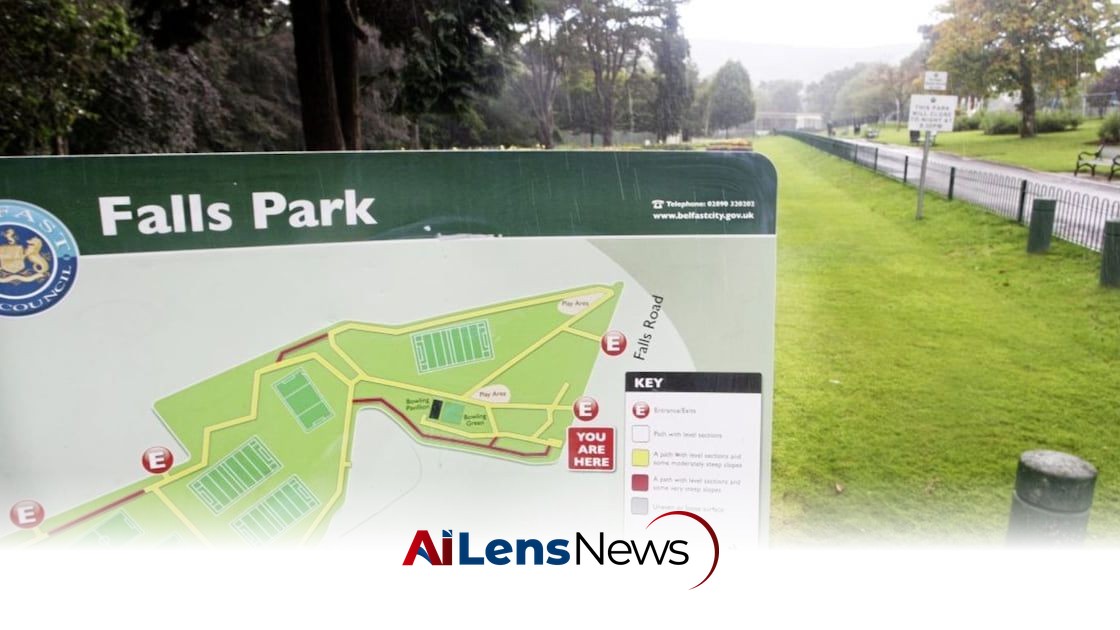


The Falls Park campsite in West Belfast has been cancelled due to insufficient bookings ahead of the Fleadh Cheoil na hÉireann, with affected campers redirected to Ormeau Park.
London, United Kingdom Jul 29, 2026 ALN: The cancellation of the Falls Park campsite for the Fleadh Cheoil na hÉireann in Belfast has raised eyebrows, particularly given the event's significance in celebrating Irish traditional music. The decision was made due to lower-than-expected booking numbers, which have led to the consolidation of camping facilities to better accommodate attendees. The Fleadh Cheoil na hÉireann, which translates to the Festival of Music in Ireland, is one of the largest traditional music festivals in the world, attracting musicians, dancers, and enthusiasts from all over the globe.
Scheduled to take place from August 2 to August 9, the festival is expected to draw around 800,000 visitors to Belfast, making it a significant event not only for cultural reasons but also for the local economy. The influx of tourists typically results in increased business for local hotels, restaurants, and shops, contributing to the overall economic vitality of the city.
Ormeau Park is set to be the primary campsite for the festival, accommodating a large number of attendees. In addition, a separate campsite for campervans is being established at the Titanic Quarter, an area known for its historical significance and modern attractions. This strategic planning aims to ensure that visitors have access to comfortable lodging while enjoying the festivities.
However, the cancellation of the Falls Park campsite has created a ripple effect. All campers who had booked spots at Falls Park have been informed that their reservations are canceled, with assurances that they will be accommodated at the Ormeau Park site instead. The decision to cancel the Falls Park campsite was not solely based on booking numbers; there were also concerns raised by local sporting clubs regarding the potential impact on playing pitches within the park. This highlights a broader issue of resource allocation and community interests when large events take place in urban settings.
In an email sent to those who had made reservations, the organizers explained the rationale behind the cancellation, stating, "Falls Park campsite will no longer operate during the Fleadh because of lower-than-anticipated booking numbers." They further emphasized that consolidating tent camping facilities would enhance the atmosphere and sense of community that a busier campsite fosters. This reflects a common understanding among event organizers that a vibrant, bustling environment contributes significantly to the overall experience of festival-goers.
For those affected by the cancellation, the organizers have made it clear that existing tickets for Falls Park will be valid at Ormeau Park, simplifying the transition for campers. They are encouraged to bring their current tickets, which will be processed at the new location. This approach aims to minimize inconvenience and ensure that attendees can still partake in the festival experience without additional hurdles.
The pricing structure for the camping pitches is also noteworthy. Prices started at £120 for the four principal nights of the Fleadh competition, while larger tent pitches with onsite parking were available for £380 between August 2 and August 9. This pricing reflects the demand for accommodation during a peak event and the amenities provided, which include showers, barbecue areas, and an onsite bar at the Ormeau Park campsite. Such facilities are designed to enhance the camping experience, making it more enjoyable for attendees.
The contract for managing the booking system and the campsites at Ormeau Park and the Titanic Quarter is held by Nord Events Ltd., a Belfast-based events company. Initially, the company had projected high demand for the campsites, expressing confidence that the available spaces would sell out. The unexpected cancellation of the Falls Park campsite raises questions about the accuracy of those projections and the factors influencing booking decisions.
Interestingly, the Falls Park campsite was to be operated by Féile an Phobail, a community arts festival in west Belfast that coincides with the dates of the Fleadh. This festival is known for promoting local culture and arts, and it aimed to attract attendees to the Falls Park campsite through various promotional efforts. In a recent social media video, Féile organizers expressed optimism about the anticipated turnout, stating they expected "hundreds" of people to stay at the Falls Park campsite. The discrepancy between these expectations and the eventual booking numbers is significant and may warrant further investigation into the marketing strategies employed.
The campsite was originally planned to feature 400 tents, an entertainment area, and a marquee, along with a dedicated shuttle bus service to transport campers to the city center. The cancellation not only impacts the logistics of the festival but also alters the experience for those who had hoped to enjoy the unique ambiance of the Falls Park campsite. The loss of this venue may diminish the festival's diversity in accommodation options, potentially affecting the overall experience for some attendees.
The implications of this cancellation extend beyond mere logistics. It raises important questions about how large-scale events can better anticipate and adapt to the needs of their attendees. The decision to consolidate camping facilities reflects a shift towards creating a more cohesive and engaging environment, but it also underscores the challenges faced by organizers in balancing community interests, resource management, and visitor expectations.
As the Fleadh Cheoil na hÉireann approaches, all eyes will be on how the event unfolds in Belfast. The festival not only celebrates Irish culture through music and dance but also serves as a platform for community engagement and economic stimulation. The successful hosting of such a large-scale event requires careful planning and execution, and the recent changes to camping arrangements highlight the complexities involved in managing these logistics. With the festival now just days away, the focus will shift to ensuring that all attendees have a memorable experience, despite the hiccups in the campsite arrangements.
To learn more about the latest developments in Transport & Mobility, stay updated with our exclusive reports and analyses on AiLensNews.

