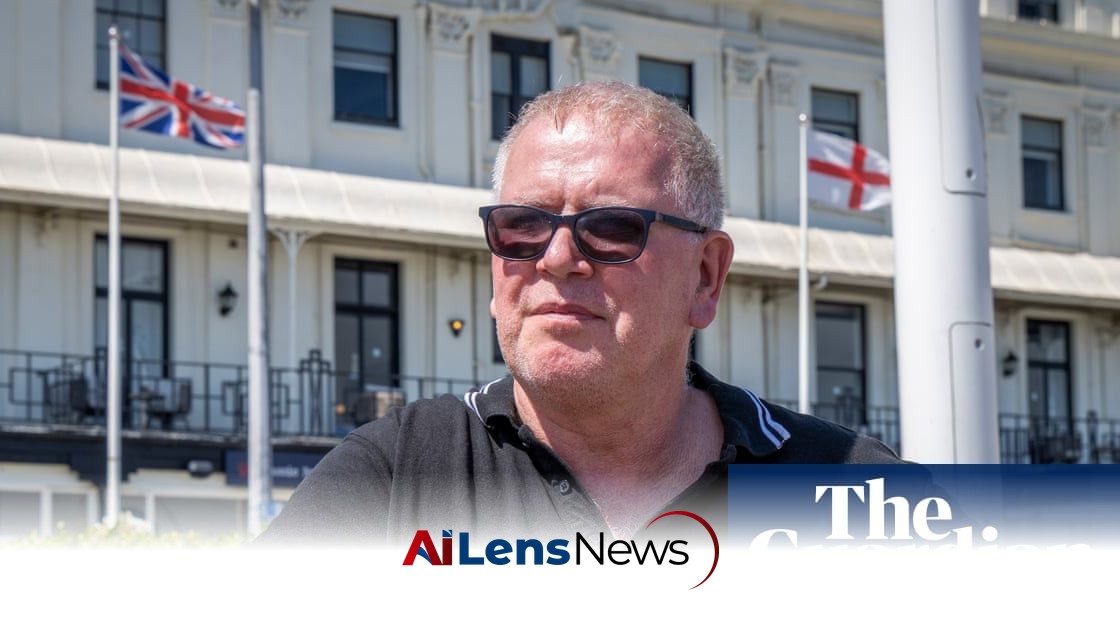


In Dover, locals express mixed feelings about right-wing influencers portraying their town as a crisis zone, highlighting the impact on community perception and tourism.
London, United Kingdom Aug 1, 2026 ALN: The ongoing debate surrounding immigration in the UK, particularly regarding small boat crossings, has intensified in recent years, with Dover at the center of this contentious issue. Right-wing influencers and politicians have branded the situation as an "invasion," creating a narrative that has gained traction among certain segments of the population. This characterization has led to a polarized atmosphere in Dover and the surrounding Kent coast, where local residents express varying opinions about the portrayal of their community.
The term "invasion" has been used by prominent figures, including the shadow home secretary Chris Philp, who recently undertook a controversial trip to the Channel. During this excursion, he claimed to have faced French gunfire, which he suggested was an attempt by French authorities to deter him from highlighting the ongoing crisis of small boat crossings. However, the French government clarified that Philp had merely passed by a routine training exercise involving live rounds, casting doubt on the validity of his claims. This incident has raised significant questions about the rhetoric used by politicians in discussing immigration issues, as well as the potential consequences of such inflammatory language.
Despite the picturesque setting of Dover, with its sloping pebble beach and vibrant marina, the narrative constructed by right-wing influencers paints a starkly different picture. Many residents, like Alison Drake, express concern that these influencers are exploiting the town's image for their personal gain rather than contributing to meaningful solutions. Drake noted, "They’re using Dover a bit… People making all these videos and that is not really doing much, is it?" This sentiment reflects a broader frustration among residents who feel that their town is being misrepresented, and it highlights the struggle between local identities and national narratives that often overshadow them.
Razia Shariff, who runs the Kent Refugee Action Network (Kran), echoed these concerns, suggesting that the focus on fear and sensationalism is counterproductive. She argued that the tactics employed by right-wing figures are designed to create unnecessary tension, stating, "What they’re trying to do is play on fear with all of these stunts." Shariff's organization works to support refugee and asylum-seeking young people, providing education and resources to help them integrate into society. Her perspective emphasizes the importance of humanizing the conversation around immigration, focusing on the individuals behind the statistics and the real-life implications of political rhetoric.
On the other hand, there are residents like Tom Armstrong who argue that the attention brought by right-wing politicians is necessary to keep the immigration issue in the public eye. Armstrong, who identifies as anti-immigration, believes that highlighting the problem is essential for raising awareness. He stated, "You’ve got to draw attention… We’ve got to know the truth." This perspective underscores the divide in public opinion regarding immigration and the role of media in shaping that discourse. Armstrong's viewpoint reflects a segment of the population that feels their concerns are not being adequately addressed by mainstream political parties, leading them to seek out alternative narratives that resonate with their experiences and fears.
While some residents appreciate the spotlight on the small boats crisis, others, like Drake, question the effectiveness of these efforts. She acknowledged that while it might prompt action, the real issue lies in the lack of concrete solutions from politicians. "Everyone knows about it, it’s about time they did something about it. They don’t do anything," she remarked, emphasizing the need for decisive action rather than mere rhetoric. This highlights a crucial aspect of the immigration debate: the frustration with political inaction and the desire for pragmatic solutions that address the root causes of migration.
Philp's involvement in the immigration debate is particularly noteworthy, as he served as immigration minister during a period marked by a significant increase in small boat crossings. Critics argue that his previous tenure undermines his current claims to be addressing the crisis. This inconsistency raises questions about the motivations behind the rhetoric employed by politicians and influencers alike. The public's perception of politicians' credibility can significantly impact their ability to enact policies and influence public opinion, which complicates the already challenging landscape of immigration policy in the UK.
In contrast to the political posturing, organizations like Kran are focused on providing tangible support to those affected by the immigration system. Shariff highlighted the success stories of young refugees who have overcome challenges to contribute positively to their communities. For example, she mentioned a former child refugee who is now a nurse in local hospitals, illustrating the potential for integration and success among those seeking asylum. These narratives serve as a counterbalance to the prevailing negative discourse, reminding the public of the resilience and contributions of individuals who have faced adversity.
Local residents like Carol, who chose not to disclose her surname, expressed frustration at the negative portrayal of Dover as a site of crisis. Standing on the seafront, she remarked, "I mean, look, it’s pleasant enough… I think it is unfair that Dover is headlined in that way." Her comments reflect a desire for the community to be recognized for its beauty and resilience rather than being reduced to a backdrop for political agendas. This desire for a more nuanced representation of Dover speaks to the broader need for communities to be seen as multifaceted, with both challenges and strengths.
Carol's observations highlight the potential repercussions of the ongoing narrative surrounding immigration. She fears that the focus on the small boats crisis could deter visitors from coming to Dover, a town that, like many others, is grappling with economic challenges. "It’s a bit rundown, like many towns. It’s a bit sad. So it’s not a great place to shop, by all means, but the seafront’s lovely," she noted, emphasizing the need for a balanced representation of the area. The economic implications of the immigration debate extend beyond the immediate concerns of residents; they can influence tourism, local businesses, and overall community well-being.
The implications of this divisive narrative extend beyond local sentiments; they reflect broader societal tensions regarding immigration in the UK. The portrayal of small boat crossings as an "invasion" feeds into a larger narrative that influences public opinion and policy decisions. As the debate continues, it remains to be seen how these dynamics will shape the future of immigration policy and community relations in Dover and beyond. The ongoing discourse around immigration is not just a local issue but a national one that resonates with communities across the UK, reflecting differing values, beliefs, and experiences.
Ultimately, the situation in Dover serves as a microcosm of the national conversation surrounding immigration. As right-wing influencers and politicians continue to stake their claims on the issue, local residents are left to navigate the complexities of their community's identity amid a backdrop of political maneuvering and sensationalism. The challenge lies in finding a way to address the realities of immigration while fostering a sense of community and understanding among residents, regardless of their political beliefs. This requires a concerted effort to engage in constructive dialogue, challenge harmful narratives, and prioritize the well-being of all community members, including those seeking refuge and a better life.
As the situation unfolds, it will be essential for local leaders, community organizations, and residents to work collaboratively to address the multifaceted challenges posed by immigration. This includes advocating for policies that not only address the immediate concerns surrounding small boat crossings but also promote integration, support, and understanding among diverse populations. The future of Dover and similar communities may depend on their ability to navigate these complex issues with empathy and a commitment to shared values.
To learn more about the latest developments in Crime & Law, stay updated with our exclusive reports and analyses on AiLensNews.

