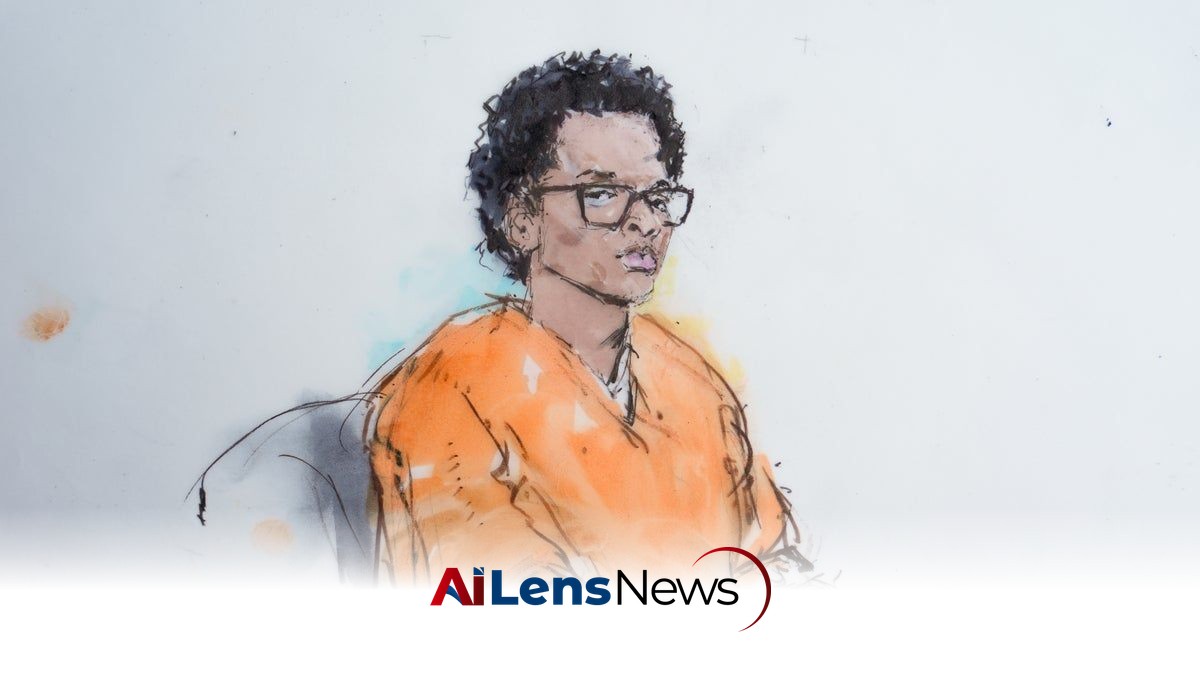


D4vd's attorneys challenge the absence of DNA tests on evidence linked to the murder of Celeste Rivas Hernandez during a preliminary hearing.
London, United Kingdom Jul 24, 2026 ALN: The ongoing preliminary hearing for D4vd, whose legal name is David Burke, has unfolded in a Los Angeles courtroom, drawing significant public attention due to the serious nature of the charges against him. The charges include murder, sexual abuse of a child, and mutilation of a body, stemming from the tragic death of 14-year-old Celeste Rivas Hernandez. The legal proceedings have revealed intricate details about the investigation and the defense's strategy, particularly regarding the handling of DNA evidence.
As the preliminary hearing entered its third day, D4vd's attorneys began to question the thoroughness of the police investigation, particularly concerning the DNA testing—or lack thereof—on items found in Burke’s home and vehicle. This line of questioning is crucial as it seeks to highlight potential oversights in the investigation that could impact the prosecution's case against him. The defense's scrutiny of the evidence handling is a common tactic in criminal cases, aiming to establish reasonable doubt about the prosecution's claims.
During the hearing, defense attorney Blair Berk directed attention to two small chainsaws discovered in Burke’s garage. Prosecutors have alleged that these chainsaws were used to dismember Rivas Hernandez's body. However, the testimony from Los Angeles Police Department criminalist Lauren Wallace revealed that initial chemical testing on the chainsaws did not indicate the presence of blood. Consequently, investigators did not proceed to swab the handles for DNA, which could belong to anyone who might have touched them, raising questions about the thoroughness of the investigation. The failure to conduct comprehensive DNA testing on critical evidence is a significant point of contention, as it may undermine the integrity of the prosecution's case.
Berk's line of questioning brought to light an important aspect of forensic science, particularly the concept of touch DNA. Touch DNA refers to genetic material left behind by individuals when they come into contact with objects. This type of evidence is not always visible and often requires specific testing to detect. Wallace acknowledged that while the blades of the chainsaws tested negative for blood, this did not rule out the possibility of other individuals' DNA being present on the handles. The defense's argument hinged on the idea that the absence of blood does not equate to the absence of DNA evidence, thus opening the door for alternative explanations regarding the presence of the chainsaws in Burke's garage.
Wallace also testified that the presence of multiple residents in the home could complicate the interpretation of DNA evidence. The defense sought to emphasize that Burke was not the sole occupant of the residence, which could lead to a mix of DNA from various individuals, further clouding the investigation's findings. This detail is significant as it could potentially introduce reasonable doubt regarding Burke's direct involvement in the alleged crime. The defense's strategy appears to hinge on creating a narrative that questions the reliability of the forensic evidence presented by the prosecution.
Additionally, Wallace's testimony included findings of cleaned-up blood in the garage, which could suggest an attempt to conceal evidence. The discovery of jugs of fake blood in the garage also raised eyebrows, with Berk suggesting that Burke might have used them for artistic purposes related to his music career. D4vd is known for his indie-pop music, which often features dark and violent imagery, and the presence of fake blood could be interpreted in various ways, complicating the narrative surrounding his character and the events leading to Rivas Hernandez's death. The intersection of Burke's artistic expression and the serious nature of the charges against him adds layers of complexity to the public perception of the case.
Throughout the proceedings, D4vd remained composed, wearing orange jail attire and glasses, attentively observing the testimonies without displaying overt emotion. His demeanor contrasted sharply with the emotional weight of the case, especially for the family of Rivas Hernandez, who were present in the courtroom. The parents of the young victim sat in the front row, absorbing the technical details of the testimony with visible restraint, underscoring the profound tragedy that has unfolded. The courtroom atmosphere is charged with emotion, as the family grapples with the loss of their daughter while seeking justice.
As the hearing progressed, a police detective provided crucial testimony regarding the tracking of Burke's phone and the data from his Tesla vehicle. The evidence indicated that Burke was at his Hollywood residence on the night of April 23, 2025, which aligns with the timeline of Rivas Hernandez's reported murder. Following this, the data showed that Burke traveled to a remote area in Santa Barbara County, approximately 95 miles away, later that night. This movement, along with subsequent visits to the area, is critical as it correlates with the discovery of Rivas Hernandez's passport by a highway worker in the same vicinity. The geographical and temporal connections presented by the prosecution could serve as pivotal elements in establishing Burke's culpability.
The prosecution's case hinges on establishing a timeline and motive for the alleged crime. They assert that Burke began a sexual relationship with Rivas Hernandez when she was just 13 years old, and that jealousy over his relationships with other women may have played a role in her death. Prosecutors allege that Rivas Hernandez threatened to expose Burke's actions, which they claim led to a violent confrontation when she arrived at his residence on the night of her murder. The prosecution's narrative suggests that Burke's fear of losing his burgeoning music career may have driven him to commit the alleged crime. This aspect of the case underscores the complexities of power dynamics in relationships, particularly those involving minors and adults.
Further complicating the case is the assertion that Burke kept Rivas Hernandez's body in the front trunk of his Tesla for an extended period, possibly weeks or even months, before it was eventually discovered after the car was towed in September 2025. This aspect of the case raises numerous questions about Burke's actions following the alleged murder and the lengths to which he may have gone to conceal his involvement. The logistics of hiding a body in a vehicle and the psychological implications of such actions are significant factors that the court will need to consider as they evaluate the evidence.
As the preliminary hearing continues, the judge will ultimately determine whether there is sufficient evidence to proceed to trial. The implications of this case extend beyond the courtroom, touching on broader societal issues such as the protection of minors, the consequences of celebrity culture, and the complexities of forensic evidence in criminal investigations. The outcome will not only affect D4vd's future but will also resonate with the community and the family of Celeste Rivas Hernandez as they seek justice for their tragic loss. The case has highlighted the urgent need for discussions around child protection laws and the responsibilities of adults in positions of power, especially in the context of the entertainment industry. As the proceedings unfold, many will be watching closely to see how the legal system navigates these challenging issues.
To learn more about the latest developments in Crime & Law, stay updated with our exclusive reports and analyses on AiLensNews.

