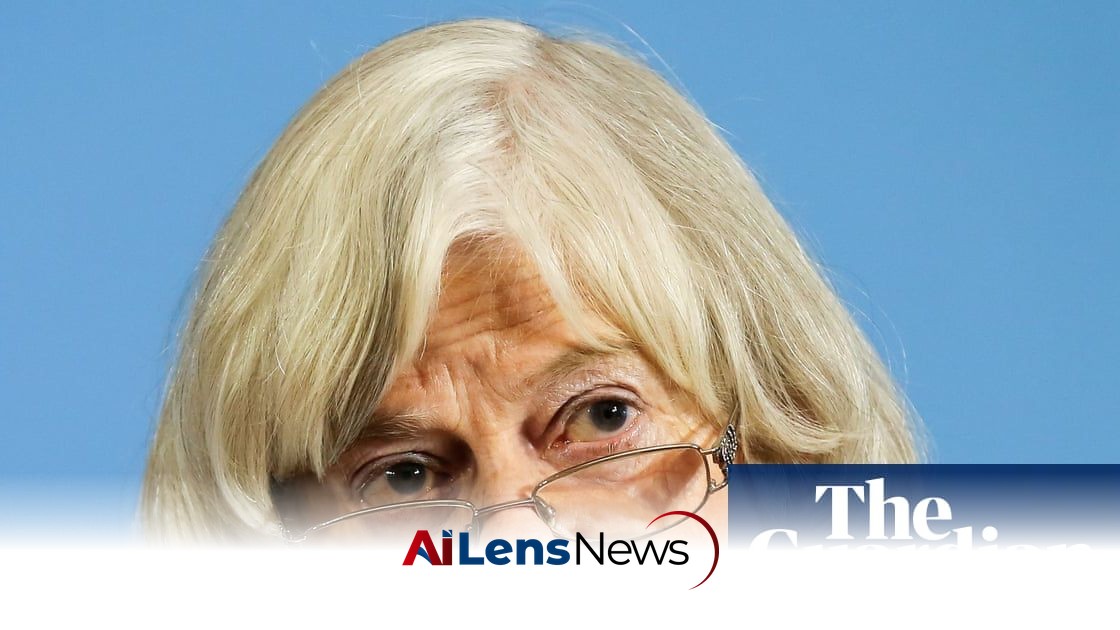


The investigation into the death of former MP Ann Widdecombe has been taken over by counter-terrorism police, raising concerns about the safety of politicians.
London, United Kingdom Jul 13, 2026 ALN: British counter-terrorism police have assumed control of the investigation into the death of former MP and Reform spokesperson Ann Widdecombe, a development that has reignited discussions about the safety of politicians in the UK. Widdecombe's body was discovered with serious injuries at her home in Haytor Vale, Devon, by ambulance services at approximately 11:40 AM on Thursday. A 28-year-old man from Rotherham has been arrested on suspicion of her murder.
The circumstances surrounding Widdecombe's death have raised significant concerns regarding the safety of politicians in the UK, especially in light of recent incidents where public figures have faced threats and violence. The political landscape has witnessed an increase in discussions about the security measures in place for MPs and the implications of such incidents on public life.
In a surprising turn of events on Monday, the Counter-Terrorism Policing South East (CTPSE) announced that it would lead the investigation, following an earlier statement from Devon and Cornwall police that had ruled out any terrorist motive. The suspect was rearrested on suspicion of committing, preparing, or instigating acts of terrorism. This shift in the investigation's focus has prompted questions about the nature of the evidence that led to the counter-terrorism unit's involvement.
Over the weekend, Devon and Cornwall police had reassured the public that the alleged murder did not seem politically motivated. However, the intervention of Nigel Farage, leader of Reform UK, prompted calls from politicians across the political spectrum for greater caution in public statements. Farage's comments, which characterized the incident as potentially premeditated, have stirred fresh debate regarding the security of Members of Parliament (MPs). Home Secretary Shabana Mahmood offered to meet with Farage to discuss his security concerns, indicating the seriousness with which the government is treating these issues.
The shift in the investigation's direction was attributed to “new information and evidence,” according to counter-terrorism officials. Laurence Taylor, head of national counter-terrorism policing, stated, “Building on the progress made by our colleagues in Devon and Cornwall police, we now have new information and evidence that means counter-terrorism policing is now leading the investigation.” This statement underscores the dynamic nature of criminal investigations, especially when new evidence emerges that may alter the course of inquiry.
Mahmood confirmed that the suspect was not previously known to the Prevent program, which aims to intervene early with individuals vulnerable to radicalization. This detail is significant, as it suggests that the suspect may not have a history of extremist behavior, which raises questions about the motivations behind the alleged murder and the nature of the evidence that prompted the counter-terrorism police's involvement.
In an address to MPs in the House of Commons, Mahmood mentioned that she had consulted with the head of counter-terrorism policing regarding the case. She also indicated that she would facilitate a meeting between Farage and the head of the independent Home Office body responsible for managing the security of public figures. This proactive approach reflects the government's awareness of the heightened concerns surrounding the safety of politicians and the need for a comprehensive review of existing security measures.
Widdecombe, who resided in a 1970s bungalow named Widdecombe’s Rest in Haytor Vale, was a Conservative MP from 1987 to 2010, representing Maidstone and later Maidstone and the Weald. She joined the Brexit Party in 2019 and served as an MEP until 2020, later becoming a member of Reform UK. Her political career was marked by her outspoken views on various issues, which garnered both support and criticism. The nature of her political engagements may have contributed to the current discussions about the risks faced by public figures.
In the aftermath of Widdecombe's death, Devon and Cornwall police initially arrested a 26-year-old man from Newton Abbot but later released him, stating he was no longer connected to the investigation. The 28-year-old suspect currently in custody was arrested on Saturday in Rotherham, approximately 265 miles from Widdecombe’s residence. This geographical distance raises questions about the suspect's connection to Widdecombe and the circumstances surrounding her death.
Assistant Chief Constable Matt Longman had previously assured reporters that there was no indication that the incident was terrorism-related and that they were not seeking any additional suspects. However, the recent developments have led to criticism of police communications regarding the case. The initial reassurances from the police may have contributed to public confusion and concern, highlighting the importance of transparent and timely communication in ongoing investigations.
Jonathan Hall, the UK's independent reviewer of terrorism legislation, expressed surprise at the police's handling of the situation, suggesting that they should remain open-minded and avoid prematurely ruling out possibilities. His comments reflect a broader concern among security experts and the public about the potential for underestimating threats to public figures, particularly in a climate where political discourse has become increasingly polarized.
Farage, who is currently campaigning for a byelection following his own resignation from Clacton, visited the area around Widdecombe’s home shortly after her death. He characterized her death as “premeditated murder” and highlighted the increasing dangers faced by individuals in public life. His statements have sparked a mix of support and criticism, with some viewing them as a necessary call to action while others argue that such speculation could hinder the investigation.
The comments made by Farage have sparked backlash from his parliamentary colleagues, with some arguing that public speculation can hinder police investigations. This backlash underscores the delicate balance that politicians must strike between advocating for public safety and allowing law enforcement to conduct their investigations without interference. In response to the latest developments, Richard Tice, deputy leader of Reform UK, called for journalists to apologize to Farage and the party, reflecting the contentious atmosphere surrounding the case.
Parliamentary sources indicated that Reform UK is attempting to leverage concerns about MP security to gain attention ahead of the Clacton byelection. The timing of these discussions is critical, as the party seeks to position itself as a champion of public safety in the wake of Widdecombe's tragic death. Speaker Lindsay Hoyle has previously stated that the safety of MPs is a significant concern and has initiated discussions on enhancing protections for public officials. This ongoing dialogue highlights the need for a comprehensive review of security protocols for politicians, especially in light of recent events.
As the investigation continues, the focus remains on ensuring the safety of politicians and addressing the broader implications of this tragic event. The involvement of counter-terrorism police signifies the seriousness of the situation, and the political ramifications are likely to resonate throughout the UK as discussions about public safety and the protection of public figures take center stage. The outcome of this investigation could have lasting effects on the political landscape and the measures taken to safeguard those in public service.
To learn more about the latest developments in Crime & Law, stay updated with our exclusive reports and analyses on AiLensNews.

