

The Commonwealth Games opening ceremony in Glasgow has drawn mixed reactions from Scots, with many expressing disappointment over cultural portrayals and musical choices.
London, United Kingdom Jul 25, 2026 ALN: The Commonwealth Games opening ceremony, held in Glasgow, has sparked considerable debate and controversy among Scots, with reactions ranging from disappointment to outright criticism. While the event was designed to celebrate the spirit of the Commonwealth and showcase Scottish culture, many felt that it fell short of expectations, particularly in its representation of Scotland's rich musical heritage and cultural identity.
The ceremony commenced with a striking visual as King Charles III and Queen Camilla emerged from the iconic Tardis, a nod to the popular British science fiction television series Doctor Who. This unusual entrance was piloted by renowned Scottish cyclist Chris Hoy and actor Greg McHugh, setting a whimsical tone for the evening. The Hydro arena in Glasgow served as the backdrop for this elaborate production, which aimed to kick off the 11-day sporting event that sees approximately 3,000 athletes from 74 nations and territories competing.
Following the grand entrance, the parade of athletes took place, showcasing the diversity and talent of the Commonwealth nations. This segment was met with enthusiasm, as it highlighted the unity and camaraderie that the Games are meant to promote. However, the subsequent performances, including a segment featuring actor Sam Heughan alongside an animatronic Loch Ness monster, did not resonate well with many attendees and viewers at home. The inclusion of such a well-known Scottish mythological creature was intended to evoke national pride, but instead, it left some feeling that the portrayal was overly simplistic and clichéd.
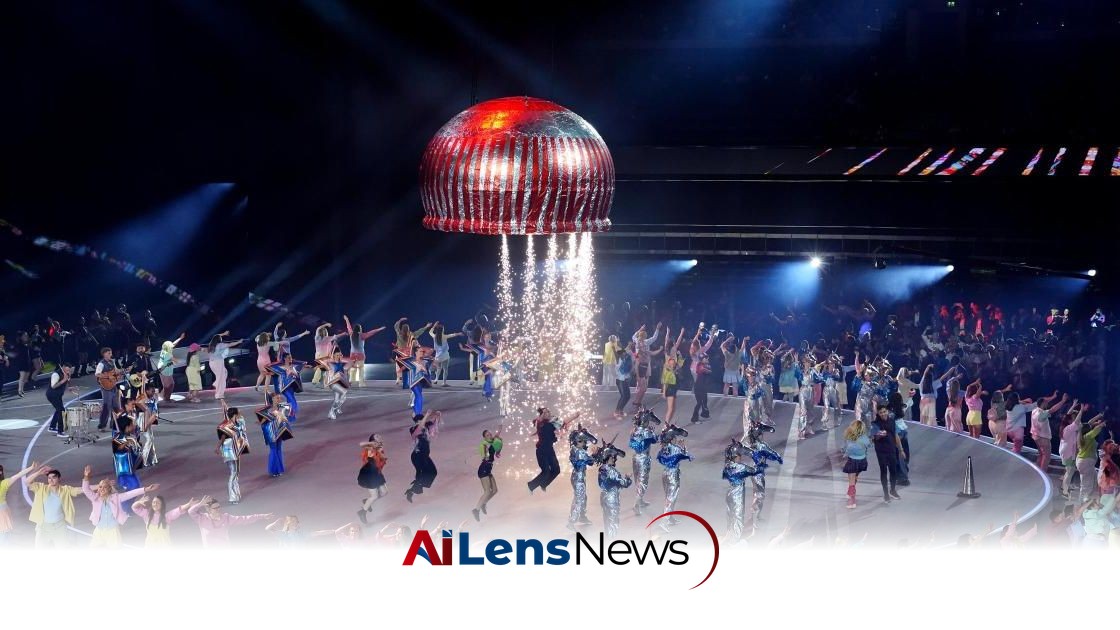
Adding to the mix, singer Nathan Evans performed his popular song "Scotland Is A Place Called Home" amidst a vibrant display of flashmob dancers representing the people of Glasgow. This performance, while energetic, was overshadowed by the subsequent appearance of an enormous Tunnocks teacake during the finale—an iconic Scottish confectionery. While Tunnocks is a beloved brand in Scotland, the decision to feature it prominently raised questions about the depth and breadth of Scottish culture being showcased at such a significant international event.
Social media reactions quickly flooded in, with many Scots expressing their discontent regarding the musical selections featured in the ceremony. Criticism was particularly directed towards the choice of songs, with some noting that the two headline musical numbers, "Yes Sir I Can Boogie" by the Spanish duo Baccara and "I'm Gonna Be (500 Miles)" by The Proclaimers, who hail from Edinburgh, felt uninspired and did not adequately represent Glasgow's vibrant music scene. Journalist Michael McEwan articulated this sentiment, lamenting that Glasgow is known for its rich musical heritage, yet the ceremony featured what he described as "tired" choices. He pointed out that the city has produced numerous influential bands and musicians, suggesting that the ceremony should have highlighted local talent more effectively.
Some social media users echoed McEwan's sentiments, stating that the portrayal of Scotland as a land defined solely by whisky, Tunnocks teacakes, and Irn Bru was reductive and offensive. The criticism reflected a broader concern about the commodification of Scottish culture, where iconic brands overshadow the diverse contributions of Scottish artists, innovators, and thinkers. One user articulated frustration, stating, "We pretty much invented everything and you have this sh**e," indicating a desire for a more nuanced representation of Scottish identity.
In response to the backlash, academic Dr. Gavin Brewer weighed in, highlighting the implications of how Scottish culture is presented on international platforms. He noted that the focus on brands like whisky and Tunnocks is not merely a reflection of culinary pride but also a commentary on the power dynamics of Scottish capitalism. Brewer suggested that these brands symbolize ingrained ideals about national identity that may not fully encompass the complexity of Scotland's contributions to global culture.
As the ceremony progressed, some viewers expressed feelings of embarrassment, describing the event as "cringey" and disappointing. This sentiment was particularly poignant among those who identify as Scottish, as they hoped for a celebration that would elevate and honor their heritage rather than reduce it to stereotypes. The criticism highlights a tension between traditional representations of Scottish culture and the evolving identity of Scotland in a modern context.
The Commonwealth Games, established in 1930, are often seen as a platform for fostering international goodwill and sporting excellence among member nations of the Commonwealth. The Games have evolved over the years, reflecting changes in society and culture, and the expectation is that opening ceremonies will not only celebrate athletic prowess but also the unique cultural identities of the host nation. This year’s ceremony was no exception, yet the backlash indicates a disconnect between the organizers' vision and the expectations of the Scottish public.
The decision to feature certain elements, such as the Tardis and the Loch Ness monster, may have been intended to create a lighthearted and entertaining atmosphere, but they also risked reinforcing stereotypes that many Scots feel do not represent the contemporary cultural landscape. Scotland is home to a diverse array of artistic expressions, from traditional folk music to contemporary pop and rock, as well as a burgeoning arts scene that includes theater, visual arts, and film. Critics argue that the ceremony should have embraced this diversity rather than relying on clichés.
At the conclusion of the ceremony, the King’s baton made its entrance into the arena, a symbolic gesture that marked the official beginning of the Games. The baton, which contained a message from the King, had traveled around the world as part of a 500-day multinational relay, further emphasizing the global nature of the Commonwealth Games. King Charles III's formal declaration of the Games' opening was intended to unite the diverse nations under the banner of sport and friendship.
As the Commonwealth Games unfold, the reactions to the opening ceremony may serve as a catalyst for broader discussions about cultural representation and identity in Scotland. The event has brought to the forefront the need for a deeper exploration of what it means to be Scottish in a contemporary context, particularly within the framework of international sporting events. The conversations sparked by this ceremony could influence future representations of Scottish culture, encouraging a shift towards more authentic and inclusive portrayals that celebrate the full spectrum of Scotland's contributions to the world.
This controversy also raises questions about the role of cultural representation in large-scale events. As nations strive to present a cohesive image to the world, the challenge lies in balancing tradition with contemporary identity. The backlash against the ceremony could encourage future organizers to engage more deeply with local communities and cultural leaders to ensure that events resonate with the public and reflect the true essence of the host nation.
In conclusion, the Commonwealth Games opening ceremony has not only ignited discussions about the representation of Scottish culture but also highlighted the ongoing evolution of national identity in a globalized world. As Scotland continues to navigate its place within the Commonwealth and beyond, the lessons learned from this event may shape the future of cultural expression at international gatherings, fostering a more nuanced understanding of what it means to be Scottish in today's society.
To learn more about the latest developments in Crime & Law, stay updated with our exclusive reports and analyses on AiLensNews.

