

More
Checking your session
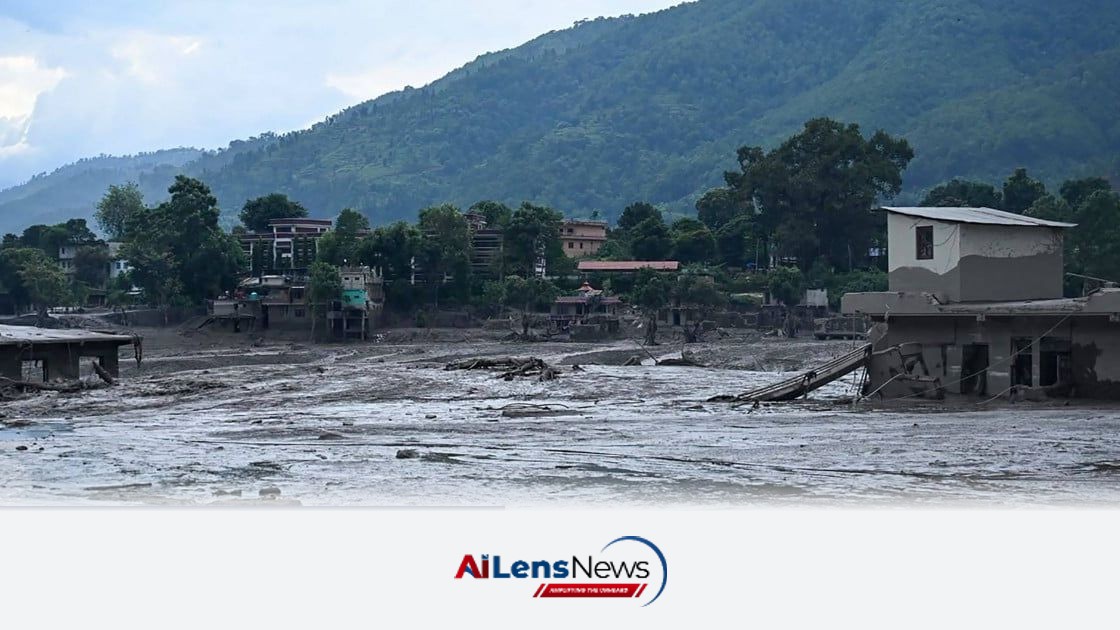



A catastrophic mudslide and flash flood have left over 1,000 people missing along the China-Nepal border, prompting extensive rescue operations.
London, United Kingdom Aug 27, 2026 ALN: A massive mudslide and flash flood struck the Gyirong Port area along the China-Nepal border on Wednesday, leaving at least 165 people dead and more than 1,000 missing across both sides of the divide. This disaster has highlighted the vulnerabilities of mountainous regions to extreme weather events, especially in the context of climate change, which has been linked to increased frequency and intensity of such natural disasters.
The Gyirong Port area, which serves as a significant trade route between China and Nepal, has experienced heavy rainfall in recent days, contributing to the catastrophic conditions that led to the mudslide and flooding. According to the latest official update from the Shigatse municipal government press conference on Thursday morning, three people have been confirmed dead and 558 remain missing on the Chinese side. The region's topography, characterized by steep slopes and loose soil, makes it particularly susceptible to landslides, especially during the monsoon season.
As rescue operations continue, two survivors have been rescued from the debris. Earlier figures of 265 missing were revised upwards as search efforts expanded, reflecting the chaotic nature of the aftermath of such disasters. The lack of communication infrastructure in remote areas like Gyirong can complicate rescue efforts, making it challenging to account for all individuals who may have been affected.
Chinese authorities have mobilized more than 1,500 personnel, including firefighters, military troops, and engineering teams, to assist in the recovery and rescue operations. Vice-Premier Zhang Guoqing has arrived at the scene to direct operations, underscoring the severity of the situation and the Chinese government's commitment to addressing the disaster. The involvement of military personnel is often a critical aspect of disaster response in China, as they can provide logistical support and resources that civilian agencies may lack.
Compounding the challenges faced by rescue teams is the formation of a barrier lake near the port, as reported by state broadcaster CCTV. This phenomenon occurs when debris from a landslide blocks a river, creating a temporary lake that poses additional risks of flooding. If the barrier were to break, it could unleash a torrent of water downstream, further complicating rescue efforts and endangering lives. Emergency services must balance the urgency of rescue operations with the need to monitor and mitigate the risks associated with the barrier lake.
Nepal’s National Disaster Risk Reduction and Management Authority reported on Thursday that they have recovered 165 bodies, with 826 people still missing. The scale of the tragedy is profound, affecting families and communities on both sides of the border. The Nepali government has also mobilized its resources to aid in the search and recovery efforts, reflecting the cross-border nature of the disaster. The cooperation between the two nations in response to this crisis may serve as a vital opportunity to strengthen ties and improve disaster management protocols in the future.
This disaster is not an isolated incident; it is part of a troubling trend seen in many parts of the world where climate change is exacerbating natural disasters. The Himalayas, where the China-Nepal border lies, are particularly vulnerable due to their unique geological and climatic conditions. The region has seen an increase in glacial melt, landslides, and erratic weather patterns, which can lead to devastating events like the one currently unfolding.
The implications of this disaster extend beyond immediate rescue efforts. It raises questions about the preparedness of both China and Nepal to handle such emergencies, particularly in terms of infrastructure, early warning systems, and community resilience. The international community may also be called upon to assist, both in immediate relief efforts and in long-term strategies to mitigate the impacts of climate change and improve disaster readiness.
As the situation develops, it will be crucial for authorities to provide transparent updates to the public, not only regarding the recovery efforts but also about the safety measures being implemented to prevent future disasters. The psychological toll on survivors and the families of those missing will also need to be addressed, as communities grapple with the aftermath of this tragic event.
In conclusion, the mudslide and flooding at the China-Nepal border serve as a stark reminder of the increasing risks posed by natural disasters in the context of climate change. As rescue efforts continue, the focus will not only be on saving lives but also on learning from this tragedy to enhance disaster preparedness and response in the future.
To learn more about the latest developments in Crime & Law, stay updated with our exclusive reports and analyses on AILensNews.


Anantnag Police have filed a case against Aabid Hussain Nengroo for allegedly pr…

Murmur, located in Aljada, is Sharjah's first homegrown fine dining restaurant, …

In a significant move, President Droupadi Murmu has enabled the High Court of Ja…

Anantnag Police have arrested political leader Aabid Hussain Nengroo in connecti…