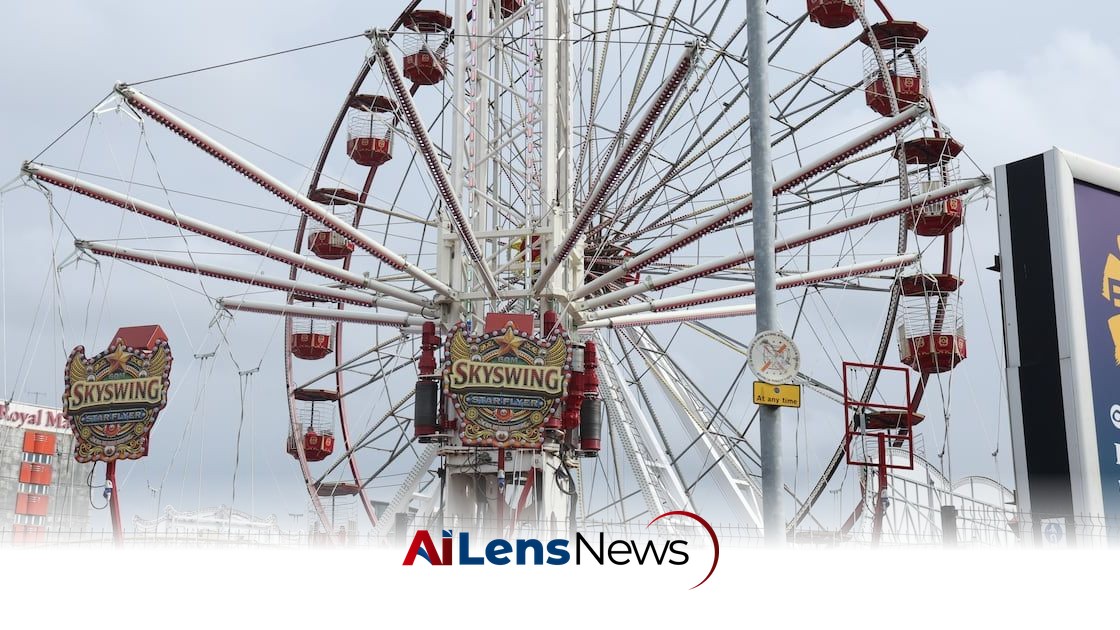



Emergency services responded after a funfair ride malfunctioned in Belfast, leaving passengers suspended in mid-air during the Fleadh festival.
London, United Kingdom Aug 3, 2026 ALN: The recent malfunction of a funfair ride in Belfast has raised concerns regarding safety measures at amusement parks and public events. The incident occurred on a Sunday afternoon, coinciding with the all-Ireland Fleadh, an annual traditional music festival that draws thousands of visitors to the city. This event, known for its vibrant atmosphere celebrating Irish culture and music, was likely a significant factor in the high foot traffic in the area at the time of the incident.
The malfunction involved the Skyswing ride, which is designed to give thrill-seekers a bird's-eye view of the surroundings while swinging back and forth at a considerable height. Unfortunately, the ride stopped functioning while several passengers were still on board, leaving them suspended in mid-air. Such situations can be alarming for riders, as they may experience a mix of fear and anxiety while waiting for assistance. The psychological impact of being stranded in such a precarious position can be significant, as individuals may feel vulnerable and helpless until they are safely brought down.
Emergency services, including fire and rescue teams, were promptly alerted to the situation. Their presence at the scene underscores the seriousness of the incident, as safety protocols typically dictate that emergency services be on standby during large public gatherings. Although the initial response involved emergency services, it was later reported that the Northern Ireland Fire and Rescue Service (NIFRS) was not required to intervene. Instead, the operators of the funfair managed to safely bring the passengers down using their own techniques, which speaks to their training and preparedness for such emergencies. The operators' quick thinking and effective response likely prevented a more serious outcome, showcasing their capability in handling unexpected situations.
A spokesperson for Belfast City Council addressed the incident, clarifying that the funfair ride was not part of the official Fleadh programme and was not operated by the council. This distinction is important as it highlights the complexities involved in managing safety at large public events where multiple operators may be involved. The spokesperson emphasized that the safety and wellbeing of all visitors to Fleadh Cheoil na hÉireann is a top priority for the council. As a precautionary measure, they have raised the incident with the operators of the funfair to ensure that safety protocols are thoroughly reviewed and reinforced. This proactive approach by the council indicates a commitment to maintaining high safety standards at public events, even those not directly organized by them.
This incident prompts a broader discussion about the safety regulations governing amusement rides, particularly those set up temporarily for events like the Fleadh. In many jurisdictions, amusement rides must adhere to strict safety standards, including regular inspections and maintenance checks. These regulations are designed to minimize the risk of malfunctions and ensure the safety of riders. However, temporary installations, such as those found at fairs and festivals, may sometimes fall under different regulatory frameworks, which can complicate oversight. The lack of consistent regulatory oversight for temporary rides can pose challenges for ensuring that all safety measures are adequately met, potentially leaving gaps that could lead to incidents like the one in Belfast.
In the aftermath of such incidents, it is common for local authorities to conduct investigations to ascertain the cause of the malfunction and evaluate the safety measures in place. This may involve reviewing maintenance records, assessing the training of ride operators, and examining the ride's design and operational protocols. The findings of such investigations can lead to recommendations for improved safety practices, which could include more stringent inspection processes or enhanced operator training programs. These recommendations not only aim to prevent future incidents but also serve to bolster public confidence in the safety of amusement rides.
Furthermore, the incident highlights the importance of public communication during emergencies. Clear and timely information from event organizers and local authorities can help alleviate panic and ensure that the public is informed about the steps being taken to resolve the situation. In this case, the swift response by the funfair operators and the eventual resolution of the situation without injury is a positive outcome, but it also serves as a reminder of the potential risks associated with amusement rides. Effective communication strategies can play a crucial role in managing public perception and ensuring that attendees feel secure during their visit to events.
As the popularity of amusement parks and fairs continues to grow, especially during festive events, the emphasis on safety cannot be overstated. Event organizers must remain vigilant in ensuring that all attractions are operated safely and that contingency plans are in place for emergencies. This includes regular safety drills, clear communication protocols, and maintaining an open line of communication with local emergency services. Additionally, educational initiatives aimed at both operators and the public can enhance awareness about safety practices and emergency procedures, contributing to a safer environment for all.
In conclusion, while the quick response of the ride operators prevented what could have been a more serious situation, the incident serves as a critical reminder of the need for rigorous safety standards and protocols at amusement rides, particularly during large public events. As communities continue to celebrate cultural festivals like the Fleadh, ensuring the safety of all participants remains paramount. It is essential for both operators and local authorities to work together to create an environment where visitors can enjoy these events with peace of mind, knowing that their safety is being prioritized. The ongoing dialogue about safety regulations, public communication, and emergency preparedness is vital in fostering a culture of safety that protects both thrill-seekers and the general public.
To learn more about the latest developments in Crime & Law, stay updated with our exclusive reports and analyses on AILensNews.

