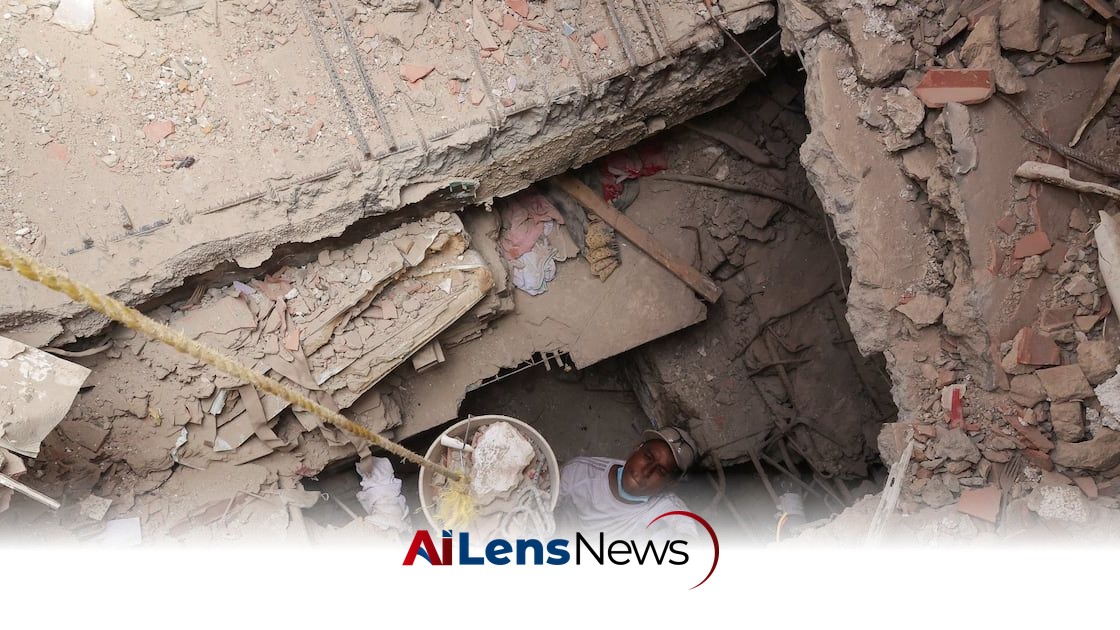


In the wake of devastating earthquakes, Venezuela faces a humanitarian crisis exacerbated by years of misgovernance, revealing the deep faultlines of its institutions.
Abu Dhabi, United Arab Emirates Jul 24, 2026 ALN: In Catia La Mar, on Venezuela’s shattered Caribbean coast, an exhausted rescue volunteer confronted soldiers carrying rifles: “Why did you not bring shovels?” This poignant question underscores the chaotic and inadequate response to a devastating natural disaster that struck the nation. On June 24, twin earthquakes measuring 7.2 and 7.5 on the Richter scale unleashed catastrophic destruction, releasing energy equivalent to 240 Hiroshima atomic bombs. The immediate aftermath revealed a grim reality: firefighters were idling due to a lack of fuel, rescuers were forced to search through debris using only the light of mobile phones, and desperate neighbors clawed at rubble with their bare hands, all while heavy machinery failed to arrive at the scene.
The physical damage from these earthquakes is staggering, with estimates placing the cost at around $37 billion, which represents approximately one-third of Venezuela's already shrunken gross domestic product (GDP). As the situation continues to evolve, confirmed fatalities have surpassed 5,000, with about 17,000 individuals reported injured. As these numbers continue to rise, they do not fully encapsulate the overwhelming scale of need in a country that was once among the wealthiest in Latin America. Prior to the earthquakes, around 7.9 million Venezuelans were already in need of humanitarian aid due to years of misgovernance and economic collapse. The disaster has since added an estimated 1.8 million more to this figure, illustrating the dire circumstances that have compounded the suffering of the Venezuelan people.
The question of whether the immediate response to the earthquake was adequate is complex and multifaceted. The answer is a mix of inspiration and disappointment, and understanding this distinction is crucial for the future of disaster response in Venezuela. On one hand, the resilience and solidarity displayed by ordinary Venezuelans in the wake of the disaster have been nothing short of inspiring. Approximately 30,000 local rescue workers and countless volunteers mobilized to organize searches, set up shelters, and establish kitchens for those affected. In a remarkable display of unity, even ideological rivals came together, working side-by-side as shared grief united a nation that has been deeply divided by political strife and recent American military interventions.
However, the response from the Venezuelan state has been disappointing. Initially, the government restricted access to the devastated city of La Guaira through bureaucratic delays, and there were reports of officials demanding bribes and looting, which hampered relief efforts. This lack of effective governance is not entirely surprising, given that the interim Venezuelan administration has inherited a set of hollowed-out institutions. Hospitals are often without essential medicines, security forces are primarily focused on protecting the regime rather than serving the public, and the country is grappling with widespread social discontent and economic collapse.
It is important to recognize that an earthquake of this magnitude would overwhelm even the most resilient states. However, what makes the tragedy in Venezuela particularly hard to bear is the fact that many of the weaknesses visible during the disaster were previously documented and analyzed in the aftermath of earlier earthquakes across the globe. Historical examples include the catastrophic earthquakes in Mexico City in 1985, Armenia in 1988, Iran in 2003, Pakistan in 2005, Haiti in 2010, Nepal in 2015, and Turkey and Syria in 2023. Each of these events provided valuable lessons that could have been applied to improve disaster preparedness and response in Venezuela.
One of the most critical aspects of disaster response is the search and rescue (SAR) operations that take place in the immediate aftermath of an earthquake. Statistically, up to 95 percent of people who are rescued alive are extricated by neighbors and local teams within the first 72 hours following the disaster. Unfortunately, international rescue teams often arrive too late to make a significant impact, having saved only about 500 lives over the past 30 years, at an exorbitant cost of nearly $1 million for each life saved. In Venezuela, the pattern followed this trend, with 44 rescue teams consisting of 2,200 workers and 140 trained dogs arriving from 27 different countries. Notably, many of those who reached the rubble within hours of the earthquake were neighbors from Colombia, Ecuador, the Dominican Republic, El Salvador, and Mexico. These local and regional teams were responsible for rescuing most of the 6,400 people pulled from the debris alive, demonstrating that humanity can triumph over adversity, even in the face of political tensions, as several of these countries had previously severed diplomatic ties with Caracas.
The challenges faced by Venezuela in responding to this natural disaster are emblematic of the broader issues that the country has been grappling with for years. The combination of mismanagement, economic instability, and political strife has left the nation ill-prepared to deal with crises, whether they be natural or man-made. The earthquakes have not only exacerbated the existing humanitarian crisis but have also highlighted the urgent need for comprehensive reforms in governance, disaster preparedness, and response mechanisms.
In the wake of the earthquakes, the international community has a critical role to play in supporting Venezuela as it navigates this complex and challenging landscape. Humanitarian aid, technical assistance, and capacity-building efforts will be essential to help the country recover and rebuild. Furthermore, fostering regional cooperation and solidarity will be vital in addressing the immediate needs of those affected by the disaster, as well as in laying the groundwork for a more resilient and sustainable future.
Ultimately, the story of Venezuela's earthquake response serves as a reminder of the importance of local knowledge, community resilience, and the need for effective governance in times of crisis. As the nation grapples with the aftermath of this disaster, it is imperative that lessons are learned and that the voices of ordinary Venezuelans are heard in the ongoing discussions about the future of their country. The path forward will require collaboration, empathy, and a commitment to rebuilding not just the physical infrastructure, but also the social fabric of a nation that has endured unimaginable hardships.
To learn more about the latest developments in World News & International Affairs, stay updated with our exclusive reports and analyses on AiLensNews.

