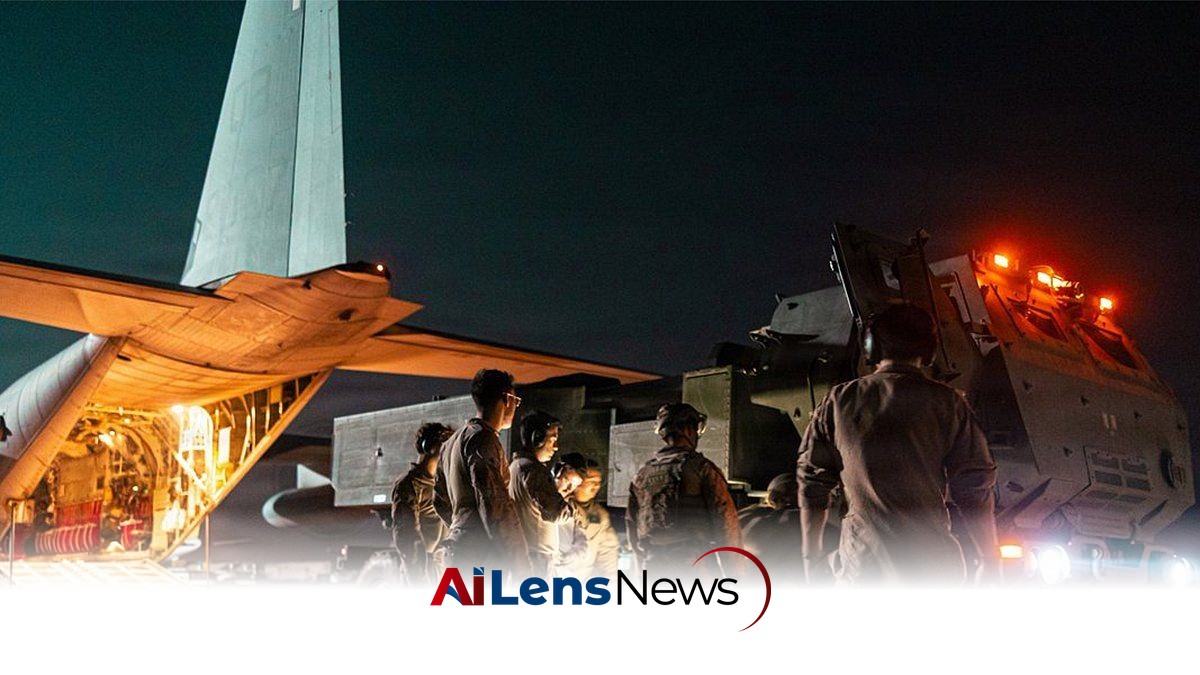


As Iran escalates drone and ballistic strikes, US lawmakers question the adequacy of missile supplies, highlighting air defense readiness issues.
Abu Dhabi, United Arab Emirates Jul 31, 2026 ALN: The ongoing conflict involving Iran has reignited discussions about the United States' missile stockpiles and overall military readiness. Since the onset of renewed hostilities, particularly following the US-Israeli strikes in late February, there has been a significant focus on whether the U.S. has enough munitions to support its strategic interests in the region. The conflict, which saw a temporary ceasefire in April, has escalated again in recent weeks, prompting lawmakers and military officials to scrutinize the nation’s defense capabilities.
The situation is further complicated by the geopolitical landscape in the Middle East, where tensions have historically been high. Iran's military posture, coupled with its nuclear ambitions, has long been a point of contention for the U.S. and its allies. The strikes initiated by the U.S. and Israel were aimed at curbing Iran's influence and military operations, which are perceived as a threat to regional stability. However, the resumption of fighting has raised alarms about the sustainability of U.S. military support in the face of potential prolonged engagements.
Concerns about munitions supply are not new. Over the past few years, military analysts have warned about the depletion of stockpiles due to various global engagements, including operations in the Middle East, the Indo-Pacific region, and support for Ukraine amidst its conflict with Russia. The U.S. military's ability to respond to multiple threats simultaneously has been a topic of debate, especially as resources may become stretched thin. This concern is exacerbated by the nature of modern warfare, which often requires rapid and sustained military responses to evolving threats.
Lawmakers from both sides of the aisle have expressed their apprehensions regarding the current state of U.S. munitions. Some have called for a comprehensive review of stockpiles to ensure that the military can effectively respond to emerging threats. This includes not only assessing the quantity of missiles available but also evaluating the types of munitions that are stockpiled, as different conflicts may require different capabilities. In this context, the U.S. must consider the specific types of missiles and munitions that would be most effective against Iranian military assets, which include not only conventional forces but also asymmetric capabilities like proxy militias.
In addition to concerns about stockpiles, there is a growing awareness of the production capabilities of the U.S. defense industry. The war in Ukraine has put additional pressure on munitions manufacturers, as the U.S. has been supplying significant amounts of weaponry to support Ukrainian forces. This has led to questions about whether the defense industrial base can ramp up production to meet both domestic and international demands without compromising quality or timelines. The implications of increased production demands are significant, as they can strain supply chains and impact other defense procurement programs, potentially leading to delays in delivering critical systems.
Furthermore, the U.S. military's strategy in the region has evolved over the years, with a focus on deterrence and rapid response. The recent conflict with Iran has underscored the need for a robust and flexible military posture. Analysts suggest that a failure to maintain adequate stockpiles could undermine U.S. credibility among allies and adversaries alike, potentially emboldening hostile actions from nations like Iran. This situation not only affects military readiness but also has broader implications for U.S. foreign policy, as perceived weakness can lead to increased aggression from adversaries.
In light of these developments, the U.S. Department of Defense has been urged to prioritize munitions replenishment as part of its broader military readiness initiatives. This includes not only increasing stockpiles but also ensuring that logistics and supply chains are capable of supporting rapid deployment of forces when necessary. The implications of inadequate munitions extend beyond immediate military capabilities; they also affect diplomatic negotiations and the U.S.'s ability to influence outcomes in the region. A well-stocked arsenal can serve as a powerful bargaining chip in diplomatic discussions, potentially dissuading adversaries from taking aggressive actions.
The renewed conflict has also sparked discussions about the strategic priorities of the U.S. in the Middle East. As the geopolitical landscape shifts, with new alliances forming and traditional partnerships being tested, the U.S. must navigate a complex web of relationships. The ability to project power and maintain influence in the region is closely tied to military readiness, which includes having sufficient munitions on hand. The U.S. has historically relied on a combination of military presence and partnerships with regional allies to counterbalance Iranian influence. However, the evolving nature of these relationships, particularly with countries like Saudi Arabia and Israel, necessitates a reevaluation of military commitments and readiness.
Moreover, the broader implications of the conflict with Iran extend to global energy markets and international security. Iran's position as a major oil producer means that instability in the region can have ripple effects on global oil prices and supply chains. The U.S. has a vested interest in ensuring that oil flows remain uninterrupted, as fluctuations can impact both the economy and national security. Disruptions in oil supply can lead to increased prices, which in turn can affect global markets and economic stability, potentially triggering a broader economic crisis.
In conclusion, the concerns over U.S. missile stockpiles amid the renewed conflict with Iran highlight the intricate balance between military readiness and geopolitical strategy. As lawmakers continue to debate the adequacy of munitions and the capacity of the defense industry, the implications of these discussions will resonate beyond the immediate conflict, shaping U.S. foreign policy and military operations for years to come. The necessity for a comprehensive approach to military readiness, including a thorough assessment of munitions and production capabilities, is increasingly clear as the situation in the Middle East evolves. The U.S. must not only prepare for immediate military needs but also consider long-term strategic objectives that align with its interests in maintaining stability in the region.
To learn more about the latest developments in Crime & Law, stay updated with our exclusive reports and analyses on AiLensNews.

