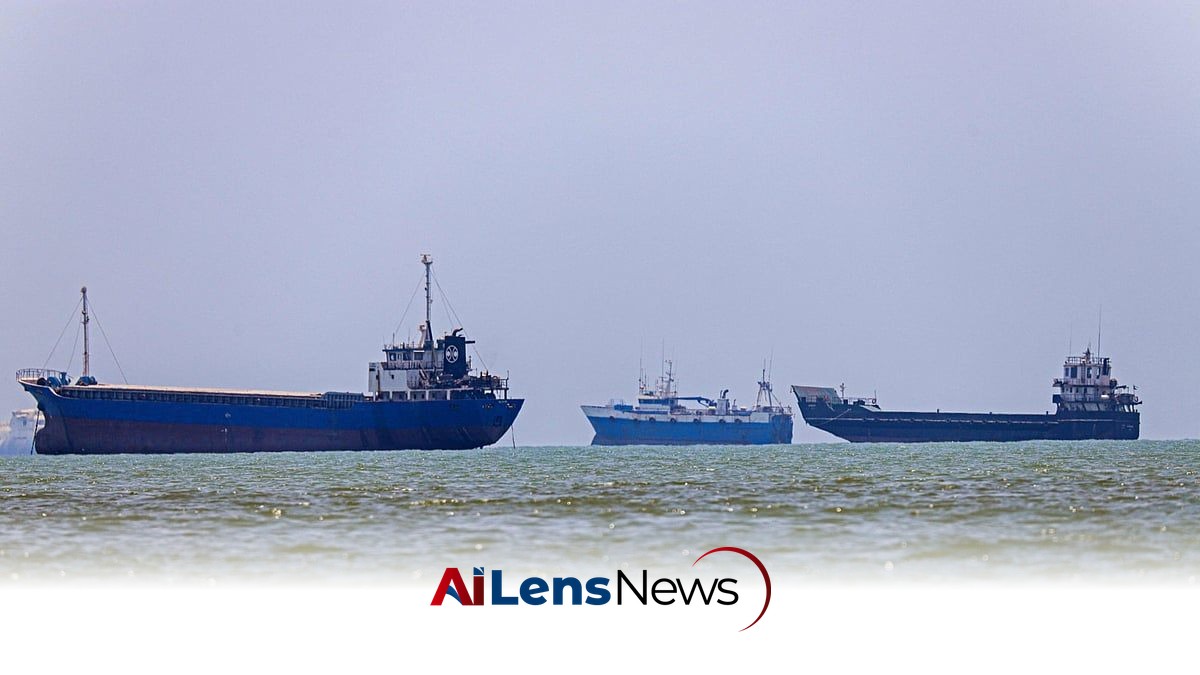


As tensions rise in the US-Iran conflict, this article outlines the latest developments affecting Gulf security, flights, and oil markets.
Abu Dhabi, United Arab Emirates Jul 23, 2026 ALN: The ongoing conflict between the United States and Iran has reached a critical juncture, with recent developments indicating a significant escalation that is affecting not only the immediate region but also global markets and international relations. As tensions rise, residents in the United Arab Emirates (UAE) and surrounding areas are advised to stay informed about the evolving situation.
In a recent incident, Kuwait reported that hostile drones struck near the Al-Abdali border crossing with Iraq. This attack caused material damage but fortunately resulted in no casualties. An Iraqi security source confirmed the details of the incident, and a Kuwaiti official indicated that Iran was believed to be responsible for the drone strike. This attack marks a troubling expansion of the conflict, suggesting that hostilities are now spreading beyond the immediate borders of Iran and Iraq, potentially destabilizing the entire Gulf region.
The implications of such drone strikes are significant. They not only heighten security concerns for Kuwait but also raise alarms in neighboring countries, including Saudi Arabia and the UAE. The use of drones in military engagements has become a preferred tactic for various state and non-state actors, as they allow for precision strikes with reduced risk to personnel. This incident underscores the growing sophistication and reach of Iranian military capabilities, which could embolden further aggressive actions in the region.
In response to the escalating conflict, the United States has taken decisive steps to bolster its military readiness. The US House of Representatives recently approved the 2027 National Defence Authorization Act, which authorizes a record $1.15 trillion in defense spending. The legislation passed narrowly with a vote of 216-212, reflecting the intense debate among lawmakers regarding military funding amid the widening conflict with Iran. This substantial increase in defense spending signals a commitment by the US to strengthen its military presence and capabilities in the region, aiming to deter further Iranian aggression and protect its interests and allies.
Meanwhile, the European Union has also weighed in on the situation, condemning the recent Houthi attacks on commercial shipping in the Red Sea. EU foreign policy chief Kaja Kallas characterized these assaults as illegal and dangerous, emphasizing that they exacerbate tensions in an already volatile region. The Houthi movement, which has been involved in a protracted conflict in Yemen, has increasingly targeted shipping lanes, raising concerns about the safety of maritime trade routes crucial for global oil supplies. Kallas's call for the Houthis to cease targeting civilian vessels reflects broader international concerns about the implications of such attacks on global commerce and regional stability.
In light of the deteriorating security situation, the United Kingdom has temporarily withdrawn its remaining diplomatic staff from Iran. The British Foreign Office announced that while the embassy would continue to operate remotely, the decision was made to ensure the safety of its personnel amidst rising tensions. This action underscores the severity of the situation and the potential risks faced by foreign diplomats in Iran, further isolating the country on the international stage.
As tensions escalate, Gulf states are taking proactive measures to enhance their security. Bahrain recently activated air raid sirens after Iranian forces claimed to have targeted US military assets in Bahrain, Jordan, and Kuwait. In a related development, Jordan's military reported intercepting three Iranian missiles, with a fourth missile landing in an uninhabited area. Kuwait also confirmed that its air defenses successfully intercepted hostile drones overnight. These incidents highlight the increasing risk of the conflict spilling over into neighboring countries, prompting a regional response to bolster air defenses and safeguard national security.
The economic implications of these developments are already being felt globally. Following the attacks on shipping in the Red Sea, global oil prices surged sharply. Brent crude oil prices climbed more than six percent, reaching $100 a barrel, while the US benchmark West Texas Intermediate rose above $91 a barrel. Investors are increasingly concerned about potential disruptions to energy supplies, which could have cascading effects on the global economy. The oil market is particularly sensitive to geopolitical tensions, and further escalations could lead to sustained price increases, impacting everything from transportation costs to consumer goods.
In a related economic context, European Central Bank President Christine Lagarde has issued warnings about the potential for rising inflation due to the renewed conflict in the Middle East. After the ECB decided to keep interest rates unchanged, Lagarde highlighted that the rising geopolitical tensions and attacks on oil shipments could lead to inflationary pressures that were previously unanticipated. As fighting intensifies and military threats expand across the region, governments, airlines, and financial markets are on high alert. The interconnectedness of global economies means that any escalation in the Middle East could have far-reaching consequences, not just for the region but for economies worldwide.
In conclusion, the US-Iran conflict has escalated dramatically, with recent events indicating a potential for wider regional instability. Residents in the UAE and surrounding areas should remain vigilant and stay informed about the situation as it develops. The implications of these events extend beyond immediate security concerns to include significant economic ramifications that could affect global markets and inflation rates. As diplomatic efforts continue to seek a resolution, the international community remains watchful of the unfolding situation, hoping for a de-escalation of tensions that could restore stability to the region.
To learn more about the latest developments in World News & International Affairs, stay updated with our exclusive reports and analyses on AiLensNews.

