

As the US-Iran conflict intensifies, UAE residents should stay informed about travel disruptions, security advisories, and military actions affecting the region.
Abu Dhabi, United Arab Emirates Jul 15, 2026 ALN: Here's what UAE residents should know today:
US naval blockade comes into effect
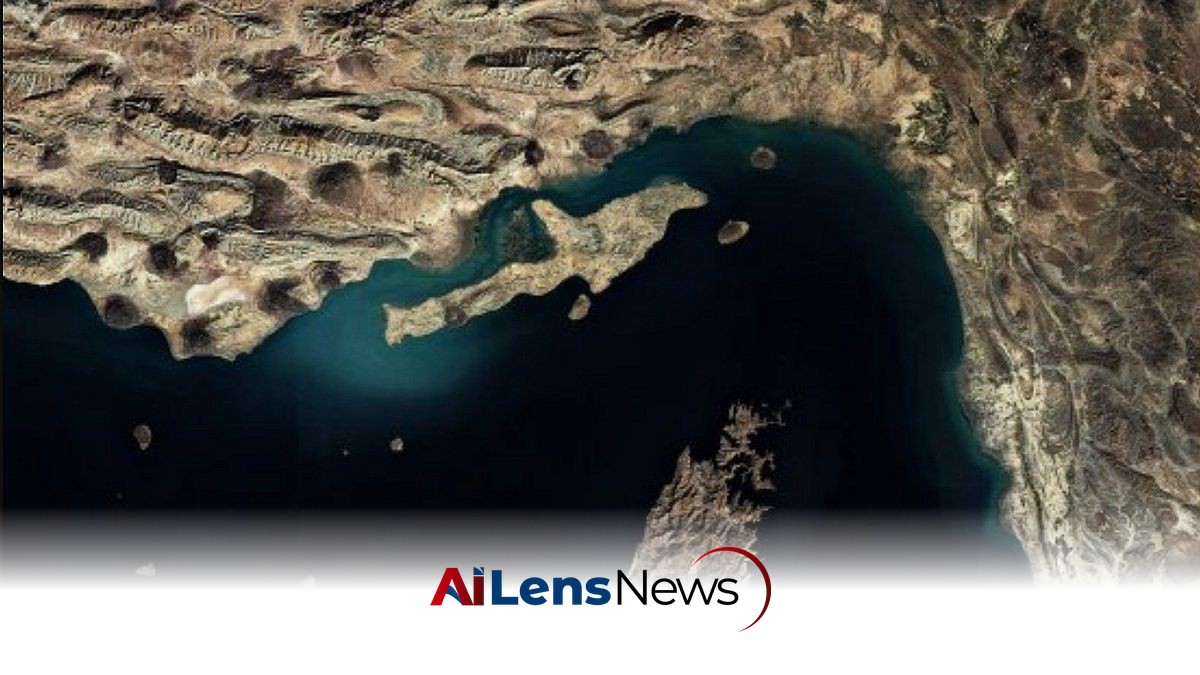
A renewed US blockade on Iranian ports came into effect at 12:01 am Gulf Standard Time on Wednesday, July 15, 2026 (20:01 GMT on Tuesday), preventing vessels from transiting to and from Iranian ports and coastal areas. This blockade is part of a broader strategy by the United States aimed at curtailing Iran's military capabilities and its influence in the region, particularly in the Strait of Hormuz, a crucial chokepoint for global oil shipments. The blockade has significant implications not only for Iran but also for the economies of Gulf Cooperation Council (GCC) countries, including the UAE, which are heavily reliant on the free flow of oil and trade through these waters.
The US Central Command stated, "There are currently more than 20 US Navy warships and hundreds of military aircraft operating across the Middle East." This military presence underscores the US commitment to maintaining stability in the region and protecting its interests, as well as those of its allies. The heightened military activity has raised concerns among regional stakeholders about potential escalations that could lead to broader conflict.
US military completes latest wave of strikes on Iran
The US military Central Command reported that it carried out a new wave of strikes on dozens of military targets in Iran. U.S. fighter aircraft, drones, and naval vessels launched precision munitions against Iranian missile and drone sites, naval capabilities, and coastal defense systems during the seven-hour wave to further degrade Iran's ability to threaten commercial shipping and civilian crews. These strikes are part of a sustained campaign to deter Iranian aggression, which has been characterized by attacks on shipping vessels and military installations in the region.
Earlier, CentCom stated that the strikes were aimed at "degrading Iranian capabilities used to attack commercial shipping in the Strait of Hormuz." The Strait is not only vital for oil transportation but also serves as a key transit route for various goods. Disruptions in this area can lead to significant fluctuations in global oil prices, impacting economies worldwide, including those of the UAE and other Gulf nations.
Iran Guards say Hormuz will remain shut
In response to the US actions, Iran's Revolutionary Guards announced that the Strait of Hormuz would remain closed until the United States ends its "acts of aggression" and warned that other regional oil export routes could also become targets. This declaration underscores the precarious situation in the region, where the potential for conflict looms large.
They stated, "The enemy should know that now that its maritime raiders have blocked the Indian Ocean route for oil and gas exports to the world -- thereby endangering the interests of America's economic rivals -- it should also expect the closure of other oil and gas export routes that serve the interests of the United States and its allies." This rhetoric reflects Iran's strategy of leveraging its control over vital shipping lanes to exert pressure on the US and its allies.
The Revolutionary Guards did not elaborate on which routes could be affected but added, "Oil and gas exports from the region will either be available for everyone or for no one." This statement hints at a broader strategy of economic warfare, which could have far-reaching consequences for global energy markets and regional stability.
Iran attacks US targets in Jordan, Kuwait, Bahrain
In a significant escalation, Iranian state-run television IRIB reported that Iran's army and the Revolutionary Guards carried out separate attacks on US targets in Jordan, Kuwait, and Bahrain. The army targeted the Al-Azraq base in Jordan with drones, while the Guards fired cruise missiles at a US military logistics center in Kuwait. They also struck facilities used by the US Fifth Fleet in Bahrain. These attacks highlight Iran's willingness to extend its military reach and retaliate against perceived threats, raising alarms among US allies in the region.
Kuwait and Jordan reported intercepting drones and missiles from Iran, while Bahrain's interior ministry confirmed that sirens rang out in response to the attacks. The ability of Iran to launch strikes across multiple nations indicates a level of operational capability that could complicate the security environment in the Middle East. For UAE residents, this means heightened vigilance and awareness of potential spillover effects from the ongoing conflict.
Trump threatens Iranian power plants
In a related development, US President Donald Trump stated in an interview that he would expand US strikes on Iran next week to target power plants and bridges if Tehran does not make a deal. This statement reflects a hardening of the US stance towards Iran and suggests that the administration is willing to escalate military action in response to Iran's provocations. The targeting of infrastructure such as power plants could have devastating effects on the Iranian economy and civilian population, potentially leading to humanitarian crises.
The implications of these developments are profound for the entire region. As tensions escalate, the potential for miscalculation or unintended escalation increases. The UAE, as a key player in the region and a close ally of the United States, must navigate this complex landscape carefully. Economic ties with Iran, particularly in the areas of trade and energy, could be adversely affected by the ongoing conflict, which may lead to increased prices and supply chain disruptions.
Furthermore, the UAE's strategic location makes it a potential target for retaliatory actions by Iran, should the conflict escalate further. Residents should remain informed about the situation and consider the possible impacts on daily life, including energy prices, security measures, and travel advisories.
In conclusion, the situation between the US and Iran is rapidly evolving, with significant military and economic implications for the region. UAE residents should stay alert to developments and consider the broader context of these events as they unfold. Diplomatic efforts may be necessary to de-escalate tensions and prevent further conflict, but the path forward remains uncertain amid rising hostilities.
To learn more about the latest developments in World News & International Affairs, stay updated with our exclusive reports and analyses on AiLensNews.

