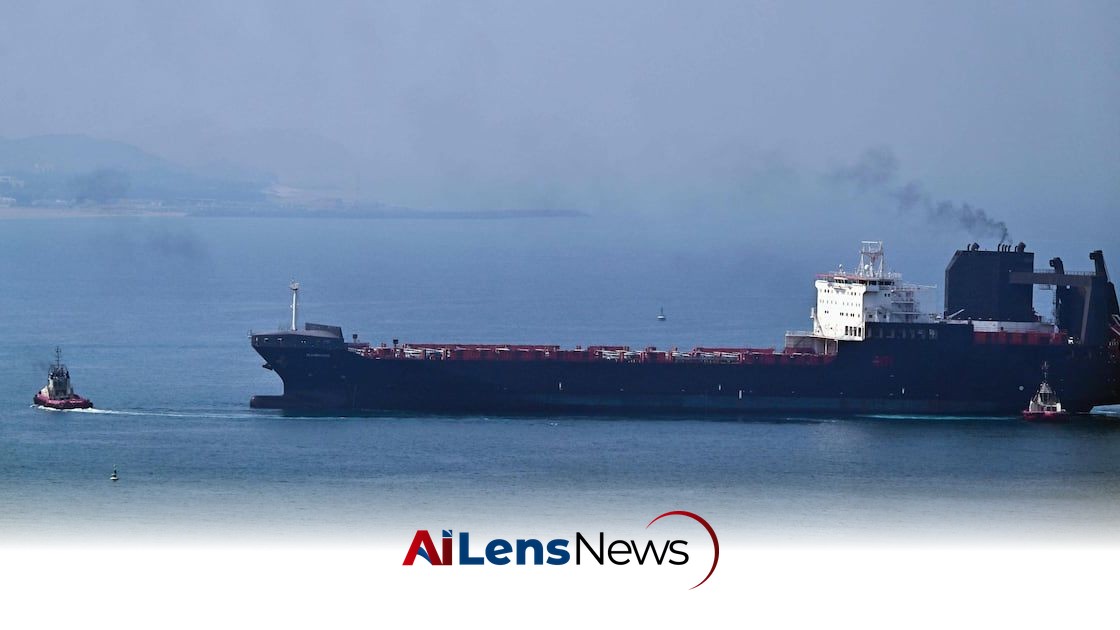


The recent ceasefire between the US and Iran has collapsed as both sides resume military actions, raising concerns over maritime safety in the Strait of Hormuz.
Abu Dhabi, United Arab Emirates Jul 17, 2026 ALN: The recent collapse of the interim agreement aimed at mitigating hostilities between the United States and Iran marks a significant escalation in a conflict that has persisted for decades. The agreement, which was intended to serve as a temporary measure to foster dialogue and reduce tensions, has unraveled just three weeks after its signing. This rapid deterioration highlights the fragility of diplomatic efforts in the region and raises questions about the future of US-Iran relations.
The backdrop of this conflict is steeped in a long history of animosity between the two nations, rooted in the 1979 Iranian Revolution and the subsequent hostage crisis that saw American diplomats held for 444 days. Since then, relations have been characterized by mutual distrust, with both sides engaging in a series of confrontations, sanctions, and proxy wars across the Middle East. The US has consistently viewed Iran as a destabilizing force in the region, particularly due to its support for militant groups and its nuclear ambitions.
The recent agreement, signed on June 17, was seen as a potential turning point, offering a glimmer of hope for de-escalation. It aimed to address key issues such as Iran's missile program and its activities in the Gulf, while also providing some economic relief to Tehran in exchange for a commitment to halt aggressive military actions. However, the swift return to hostilities suggests that the underlying issues remain unresolved and that both parties may have overestimated their willingness to compromise.
Following the breakdown of the agreement, Iran has resumed its aggressive posture in the Strait of Hormuz, a critical maritime chokepoint through which approximately 20% of the world's oil supply passes. Iranian officials have asserted their control over the waterway, declaring that any commercial vessels must coordinate their movements with Iranian forces. This assertion of control is not only a challenge to international maritime norms but also poses a direct threat to global energy security.
In response to Iran's actions, the United States has launched a series of military strikes targeting Iranian military installations. These strikes are part of a broader strategy to deter further Iranian aggression and to reassure US allies in the region, particularly those who rely on the stability of the Strait of Hormuz for their economic well-being. The US has also reinstated retaliatory naval blockades, signaling a renewed commitment to maintaining freedom of navigation in the waterway.
US President Donald Trump has publicly stated that the Strait of Hormuz will remain open for all nations except Iranian vessels, emphasizing the US's stance against what it perceives as Iranian provocations. This declaration, however, has been met with skepticism from various quarters, including maritime experts and international observers. The United Nations’ maritime agency has issued warnings regarding the safety of the waterway, indicating that the potential for conflict and danger to seafarers has increased significantly.
The implications of this escalation are profound. For seafarers operating in the region, the situation has become increasingly perilous, with reports of casualties resulting from Iranian attacks. The maritime industry is now faced with the challenge of navigating a volatile environment, where the risk of confrontation is heightened. Insurance costs for shipping through the Strait of Hormuz are likely to rise, further complicating global trade and economic stability.
In a recent episode of Beyond the Headlines, guest host Ban Barkawi delves into the circumstances that have led to this latest military escalation. She engages with Gregory Brew, a senior Iran and energy analyst at Eurasia Group, to explore the potential pathways for future negotiations. Brew emphasizes the need for both sides to reassess their strategies and consider the long-term consequences of continued hostilities.
The question remains whether there is still a chance for a diplomatic solution. Past negotiations have often been undermined by a lack of trust and competing interests. The US has been adamant about curtailing Iran's influence in the region, while Iran is equally determined to assert its sovereignty and regional power. The failure of the interim agreement suggests that both nations may need to engage in more substantive discussions that address not only immediate security concerns but also the broader geopolitical landscape.
As the situation continues to evolve, the international community watches closely. The potential for wider conflict in the Middle East looms large, with implications that could extend beyond the region. The US's commitment to its allies, the safety of global shipping routes, and the stability of oil markets all hang in the balance. The next steps taken by both the US and Iran will be critical in determining whether this cycle of escalation can be broken, or if the region will be drawn deeper into conflict.
Understanding the historical context of US-Iran relations is essential to grasp the current dynamics. The 1979 Iranian Revolution not only led to the overthrow of the US-backed Shah but also set the stage for a bitter rivalry. The hostage crisis that followed cemented a legacy of mistrust, with both nations perceiving the other as a threat. Over the decades, this animosity has manifested in various forms, including economic sanctions, military engagements, and proxy conflicts across the Middle East.
In recent years, the US's withdrawal from the Joint Comprehensive Plan of Action (JCPOA) in 2018 under the Trump administration further strained relations. The JCPOA was an agreement aimed at curbing Iran's nuclear program in exchange for sanctions relief. The US's exit from the deal and the reimposition of harsh sanctions led to increased tensions and a series of aggressive actions from both sides. Iran began to exceed the uranium enrichment limits set by the JCPOA, further aggravating the situation.
The geopolitical implications of the US-Iran conflict extend beyond bilateral relations. The Middle East is a region marked by complex alliances and rivalries, where the actions of one state can significantly impact the stability of others. Iran's support for groups like Hezbollah in Lebanon and various militias in Iraq and Syria has been a source of concern for US allies in the region, particularly Israel and Saudi Arabia. These nations view Iran's influence as a direct threat to their security and have called for a strong US response.
The economic ramifications of the ongoing conflict are also noteworthy. The Strait of Hormuz is vital for global oil supply, and any disruption in this chokepoint can lead to skyrocketing oil prices, affecting economies worldwide. The maritime industry, heavily reliant on the stability of this route, faces uncertainty as shipping companies reassess their risk exposure. Increased insurance premiums for vessels operating in the region could lead to higher costs for consumers, ultimately impacting global markets.
Furthermore, the humanitarian implications of military escalations cannot be overlooked. Civilians in the region often bear the brunt of conflicts, and the resurgence of hostilities could lead to further destabilization in countries already grappling with the consequences of war. The potential for increased refugee flows and humanitarian crises is a pressing concern for neighboring countries and the international community.
As both the US and Iran navigate this precarious landscape, the role of international diplomacy becomes increasingly critical. The failure of the interim agreement serves as a reminder of the challenges inherent in negotiating peace in a region fraught with historical grievances and competing interests. Moving forward, it is essential for both nations to engage in dialogue that prioritizes mutual understanding and seeks to address the root causes of their conflict.
In conclusion, the collapse of the US-Iran agreement not only signifies a setback in diplomatic efforts but also underscores the complex interplay of historical, geopolitical, and economic factors that continue to shape the relationship between these two nations. As the situation unfolds, the international community must remain vigilant and proactive in seeking avenues for dialogue and conflict resolution to prevent further escalation and promote stability in the region.
To learn more about the latest developments in World News & International Affairs, stay updated with our exclusive reports and analyses on AiLensNews.

