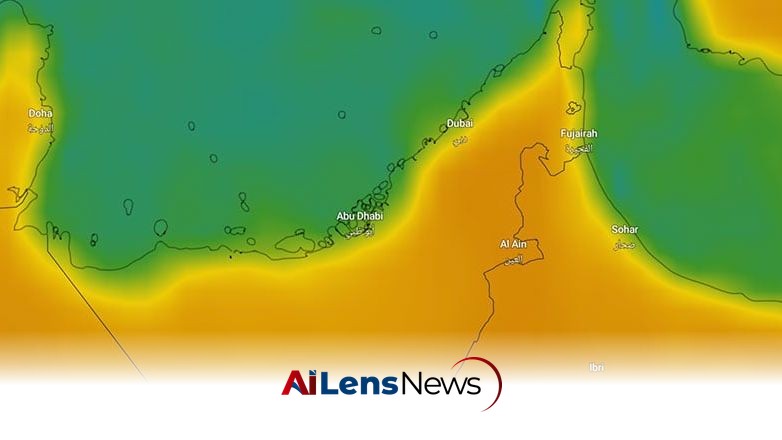


The UAE is bracing for soaring temperatures up to 48°C, alongside humid mornings and a chance of rain, particularly in eastern areas.
Abu Dhabi, United Arab Emirates Jul 27, 2026 ALN: The United Arab Emirates (UAE) is currently grappling with one of the hottest weeks of the year, with temperatures soaring towards 48°C in several inland areas. This extreme heat is characteristic of the region’s summer climate, which is known for its high temperatures and humidity levels. The UAE, located on the southeastern corner of the Arabian Peninsula, has a desert climate that contributes to these soaring temperatures, especially during the summer months. However, the weather forecast for the week also includes a mix of humid mornings, hazy conditions, and the possibility of afternoon rain showers in certain parts of the country, providing a complex weather scenario that residents and visitors should navigate.
The National Centre of Meteorology (NCM) in the UAE has provided detailed insights into the expected weather conditions for the week. In Dubai, the forecast indicates a blend of fair to partly cloudy skies, with afternoon rain showers anticipated as convective clouds develop over the eastern regions. These showers are not uncommon during the summer months, as the intense heat can lead to localized thunderstorms, especially in the afternoons when temperatures peak. The phenomenon of localized thunderstorms is primarily due to the intense heat causing rapid evaporation of moisture, which can lead to the formation of clouds and subsequent rainfall.
As the week progresses, temperatures are expected to remain firmly in the summer range, consistently climbing as high as 48°C in the inland areas. This level of heat can pose health risks, particularly for vulnerable populations such as the elderly, young children, and those with pre-existing health conditions. The high temperatures can lead to heat exhaustion and heatstroke, conditions that arise when the body overheats and cannot cool down effectively. Therefore, it is crucial for individuals to be aware of the signs of heat-related illnesses, which include dizziness, confusion, excessive sweating, and a rapid heartbeat.
Humidity levels are projected to rise overnight and into Tuesday morning, which could lead to the formation of fog or mist across some coastal and internal areas. This phenomenon is typical during the summer months in the UAE, as the high temperatures coupled with moisture from the Arabian Gulf create conditions conducive to fog formation. The combination of heat and humidity can create a stifling environment, making it feel even hotter than the actual temperature. Drivers are advised to exercise caution during these conditions, as visibility may be significantly reduced, increasing the risk of accidents.
On Tuesday, Dubai is expected to experience similar weather conditions, with partly cloudy skies and a chance of afternoon rainfall linked to cloud formations over the eastern part of the emirate. The city, known for its towering skyscrapers and vibrant lifestyle, will see humidity levels rise again overnight into Wednesday morning, potentially leading to mist in some coastal areas. The urban environment of Dubai, with its extensive infrastructure and high population density, can exacerbate the heat, creating what is known as the urban heat island effect, where urban areas become significantly warmer than their rural surroundings.
The hot and humid conditions are likely to persist from Wednesday through Friday, with temperatures gradually rising and hovering between 45°C and 48°C across various parts of the UAE. The sustained high temperatures can lead to increased energy consumption as air conditioning units work overtime to cool indoor spaces. This spike in energy demand can put a strain on the electrical grid, prompting authorities to issue reminders about energy conservation during peak hours. Residents are encouraged to limit their use of non-essential electrical appliances and to set their air conditioning units to higher temperatures when possible to help alleviate the pressure on the grid.
As the week progresses towards the weekend, temperatures are expected to remain high, reaching around 45°C, before experiencing a slight dip on Saturday to around 43°C. While the heat remains oppressive, this slight decrease may provide a brief respite for residents and visitors alike, allowing for outdoor activities to be conducted with somewhat reduced risk. However, even with a slight dip in temperature, the high humidity levels will continue to pose challenges, making it important for individuals to remain vigilant about their health and hydration.
In Abu Dhabi, the capital city of the UAE, residents can expect another week of intense summer heat, with temperatures anticipated to remain in the low-to-mid 40s°C. Coastal areas, including the city itself, will feel the added effects of humidity, which can make the temperatures feel significantly higher. The humidity can create a heat index that makes it feel several degrees warmer than the actual temperature, increasing the risk of heat-related illnesses.
The week is expected to bring mostly fair to partly cloudy skies, with humid conditions prevalent overnight and into the early mornings. This humidity can lead to the potential for mist in some areas, creating similar visibility challenges as seen in Dubai. Winds are expected to remain light to moderate, with occasional gusts that could stir up dust, particularly in desert areas. Dust storms are a common occurrence during the summer months in the UAE, and residents are advised to take precautions, particularly those with respiratory conditions. It is advisable for individuals to wear masks or stay indoors during dust storms to minimize exposure to airborne particles.
As the week continues from midweek into the weekend, similar weather conditions are expected to prevail, with high temperatures and partly cloudy skies. Friday could see temperatures reach around 43°C, before a slight dip on Saturday and Sunday. This pattern of high temperatures is typical for the region during this time of year, as the UAE experiences some of the hottest months from June to September. It is during these months that the region often faces challenges related to heat management, energy consumption, and public health.
Overall, the extreme heat combined with high humidity levels poses significant challenges for residents and visitors in the UAE. Authorities are urging the public to stay hydrated and take necessary precautions against the heat, particularly during peak hours when the sun's rays are strongest. This includes wearing lightweight, loose-fitting clothing, applying sunscreen, and avoiding strenuous outdoor activities during the hottest parts of the day. Public health campaigns often remind individuals of the importance of recognizing the symptoms of heat-related illnesses, such as dizziness, nausea, and excessive sweating, to ensure that everyone remains safe during the sweltering summer months.
In conclusion, while the UAE is accustomed to high summer temperatures, the forecast for this week serves as a reminder of the need for vigilance and preparedness in facing extreme weather conditions. As residents and visitors alike navigate the heat, the importance of community awareness and proactive measures cannot be overstated, ensuring safety and well-being during this challenging season. The government and local authorities continue to monitor weather conditions closely, ready to implement measures to protect public health and safety as necessary. As the region endures its typical summer heat, the resilience and adaptability of its people remain paramount in facing the challenges posed by such extreme weather.
To learn more about the latest developments in Crime & Law, stay updated with our exclusive reports and analyses on AiLensNews.

