

As the US-Iran conflict escalates, UAE residents are advised to monitor official updates regarding travel and regional security. Key developments include military actions and airline disruptions.
Abu Dhabi, United Arab Emirates Jul 25, 2026 ALN: The ongoing tensions between the United States and Iran have escalated significantly over recent weeks, prompting various nations, including those in the Gulf region, to remain vigilant and informed about the evolving situation. As the geopolitical landscape shifts, residents in the United Arab Emirates (UAE) are being urged to stay updated on the developments that could have implications for regional stability and security.
In the latest developments, US President Donald Trump has indicated that discussions between Washington and Tehran are ongoing. He remarked that Iran appears to be taking negotiations more seriously, although he has not ruled out military options should diplomacy fail. This statement comes as the US continues to apply pressure on Iran through economic sanctions and military readiness. The Trump administration's approach is characterized by a dual strategy of engaging in dialogue while maintaining a robust military posture in the region.
In a related diplomatic move, Israeli Prime Minister Benjamin Netanyahu is set to meet with President Trump in Washington. Their discussions are likely to focus on the US-Iran conflict and the broader implications for regional security. Israel has been a vocal opponent of Iran's influence in the Middle East, and Netanyahu's visit underscores the close alignment between the US and Israeli strategies regarding Iran.
Compounding the regional tensions, Saudi Arabia's Civil Defense recently issued alerts regarding a "potential danger" in the cities of Yanbu and Jazan. Although the specific nature of the threat was not disclosed, authorities have since declared that the danger has passed. Such alerts are indicative of the heightened state of alertness in the region, where the threat of conflict is ever-present, particularly in light of recent military engagements and attacks attributed to Iranian-backed groups.
Moreover, the Saudi-led coalition has resumed strikes against Houthi military targets in Yemen's Hodeidah province following attacks on vessels linked to Saudi interests in the Red Sea. The coalition's operations are part of a broader effort to counteract Iranian influence in Yemen and to secure vital shipping routes. The Port of Hodeidah, a critical point for humanitarian supplies, has reportedly not been targeted, reflecting the coalition's strategic approach to minimize civilian casualties while pursuing military objectives.
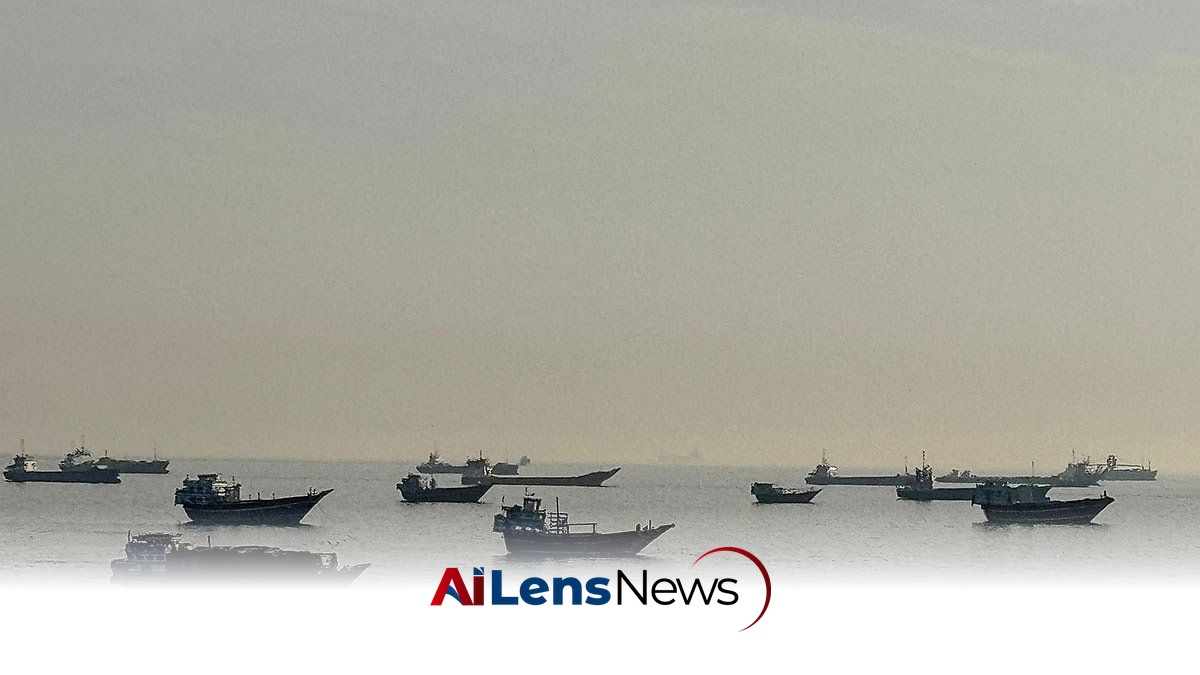
In a significant show of military readiness, the US military has also taken action by disabling a merchant vessel that allegedly attempted to breach a blockade on Iranian ports. This incident highlights the ongoing tensions in international waters, particularly in the Strait of Hormuz, a crucial passage for global oil shipments. The blockade has led to increased scrutiny of maritime activities in the region, with several vessels being redirected to avoid confrontation.
The regional tensions are further exacerbated by a sustained US bombing campaign against Iranian positions, which has continued for 13 consecutive nights following the collapse of a ceasefire agreement earlier this month. This military action has triggered responses from neighboring countries, with Bahrain, Kuwait, and Jordan reporting interceptions of Iranian attacks aimed at their territories. The situation has prompted US embassies across the Middle East to issue travel warnings, advising citizens to remain cautious and prepared for potential evacuation scenarios.
In the economic realm, fluctuations in oil prices have been observed, with prices dipping below $100 a barrel after a brief surge earlier in the week. The volatility in oil markets can be attributed to concerns over supply disruptions linked to Houthi attacks on vessels in the Red Sea and the ongoing geopolitical tensions surrounding the Strait of Hormuz. These developments are critical, as oil prices are closely tied to global economic stability and can have ripple effects across various sectors.
On the diplomatic front, President Trump has noted that leaders from China and Russia, namely Xi Jinping and Vladimir Putin, have assured him that they will not provide weapons to Iran. However, there are lingering concerns about the potential for other forms of support that Iran may receive from these nations, which could affect the balance of power in the region.
As tensions rise, the Pentagon is facing scrutiny over its reporting of US military casualties, with recent figures being revised downward due to what officials have termed a "data disruption." This has raised alarms among US lawmakers, who are calling for increased transparency regarding casualty figures, especially in light of the ongoing military operations in the region.
For residents of the UAE, the impacts of these geopolitical tensions are becoming increasingly tangible. UAE airlines have reported numerous cancellations and schedule changes on regional routes as a direct consequence of the instability. Emirates Airlines, for example, has extended cancellations affecting flights between Dubai and key destinations such as Kuwait, Bahrain, and Amman. Similarly, Etihad Airways has cancelled services between Abu Dhabi and Bahrain, as well as specific flights between Abu Dhabi and Kuwait.
Additionally, flydubai has announced changes to its services, including a cancelled flight on the Dubai-Bahrain route, while Air Arabia has also cancelled several flights connecting the UAE with Kuwait and Bahrain from both Abu Dhabi and Sharjah. Passengers are advised to remain vigilant, checking flight statuses directly with airlines and ensuring they have updated contact details for notifications. Furthermore, travelers are encouraged to arrive at airports at least three hours before departure to account for potential delays in check-in, security, and immigration processes.
In conclusion, the ongoing tensions between the US and Iran, coupled with the regional ramifications of military actions and diplomatic maneuvers, have created a complex and volatile environment. As the situation continues to evolve, it is imperative for residents in the UAE and the broader Gulf region to stay informed and prepared for any developments that may arise, ensuring their safety and well-being amid the uncertainty.
To learn more about the latest developments in Crime & Law, stay updated with our exclusive reports and analyses on AiLensNews.

