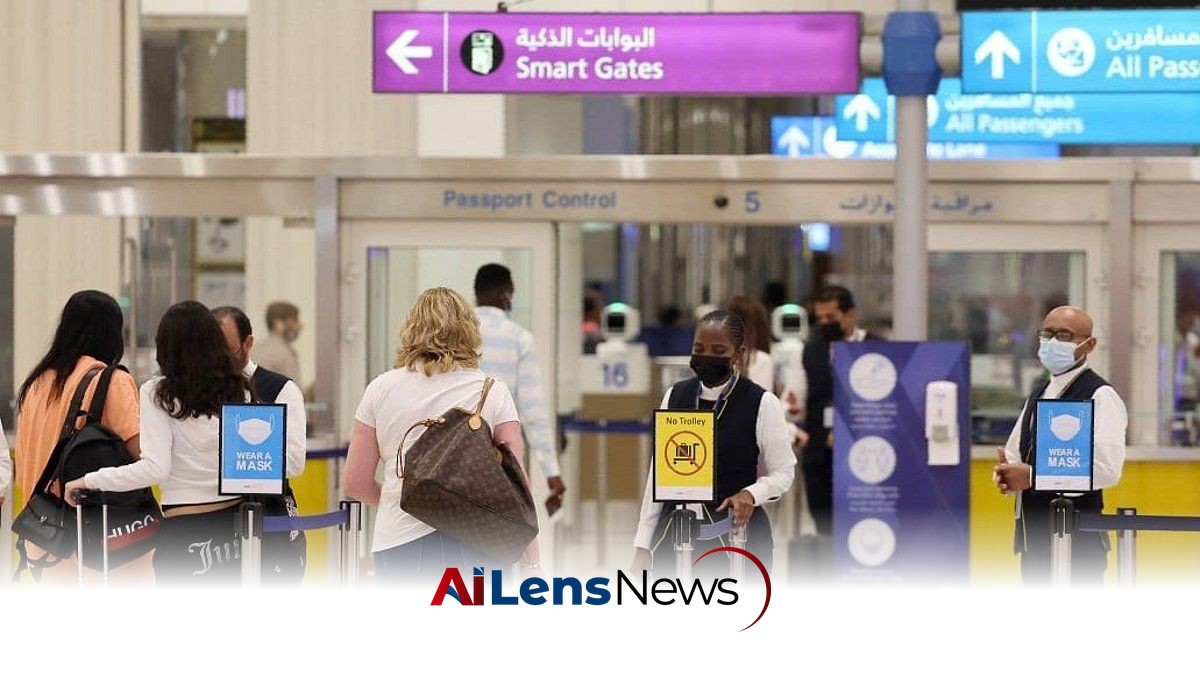


As the US intensifies sanctions on Iran, UAE residents face potential flight disruptions and heightened shipping risks. Key updates on travel and trade are crucial.
Abu Dhabi, United Arab Emirates Aug 1, 2026 ALN:
The geopolitical landscape in the Middle East has been increasingly fraught with tension, particularly concerning the relationship between the United States and Iran. The recent imposition of sanctions by the US government is a continuation of its long-standing strategy aimed at curbing Iran's influence in the region. The sanctions, announced by the US Treasury Department, specifically target six entities and individuals based in various countries including China, India, Russia, and Iran. These parties are accused of providing critical financial, commercial, and logistical support to Mahan Air, an Iranian airline that has been under scrutiny for its alleged ties to the Islamic Revolutionary Guard Corps (IRGC).
The IRGC is a branch of Iran's Armed Forces, and it plays a significant role in the country's military and political activities, both domestically and abroad. Formed after the 1979 Iranian Revolution, the IRGC has evolved into a powerful entity that influences not only military operations but also political decisions within Iran. The US has long maintained that Mahan Air is not merely a commercial airline but rather an entity that facilitates the IRGC's operations, including the transportation of military goods and personnel. The new sanctions are designed to disrupt the financial networks that support Mahan Air, which the US Treasury Secretary Scott Bessent emphasized would face continued restrictions aimed at isolating them from the US financial system. This move is part of a broader strategy to apply economic pressure on Iran and its affiliates, reflecting the US's stance on Iran's regional activities that it perceives as destabilizing.
These sanctions are not unprecedented; they are part of a larger framework of economic measures that have been applied to Iran over the years, particularly following the US's withdrawal from the Joint Comprehensive Plan of Action (JCPOA) in 2018. The JCPOA was an agreement aimed at curbing Iran's nuclear program in exchange for sanctions relief. The US's exit from this agreement marked a significant escalation in tensions and led to a series of sanctions that have severely impacted Iran's economy. The current sanctions targeting Mahan Air and its affiliates reflect an ongoing effort by the US to counter what it describes as malign activities by Iran in the region, including support for proxy groups in countries like Syria, Lebanon, and Yemen.
The ramifications of these sanctions and the heightened tensions in the region have been felt in various ways, particularly in air travel for UAE residents. Notably, Etihad Airways and Air Arabia announced the cancellation of several flights to neighboring countries such as Bahrain, Kuwait, and Saudi Arabia due to operational reasons that are directly linked to the ongoing regional situation. These cancellations serve as a reminder of how geopolitical tensions can have immediate effects on civilian travel and logistics.
In contrast, other airlines such as Emirates and flydubai have not reported major disruptions to their flight schedules, continuing to operate most services as normal. However, the situation remains fluid, and airlines are actively reviewing their routes and schedules in light of evolving security conditions. This ongoing assessment underscores the precarious nature of air travel in a region marked by uncertainty.
For passengers traveling from UAE airports, it is advisable to check flight statuses before heading to the airport. Travelers are also encouraged to arrive earlier than usual to accommodate potential delays in security and check-in procedures, which may be lengthened due to heightened security measures. These precautions reflect the broader context of regional tensions and the need for vigilance in travel planning.
Moreover, the impact of these sanctions extends beyond air travel. The UAE has a significant role as a logistics hub in the region, and disruptions in air travel can have cascading effects on trade and commerce. As airlines adjust their operations, freight services may also experience delays, affecting businesses that rely on timely deliveries of goods.
Despite the increased tensions, daily life for most residents in the UAE continues to function normally. However, travelers should remain vigilant and prepared for potential flight delays, cancellations, or rerouting as airlines prioritize safety amidst the changing security landscape. This is particularly relevant for those who have travel plans in the near future, as the situation can evolve rapidly.
Moreover, individuals working in sectors such as shipping, logistics, and international trade may experience disruptions as well. The tightening of maritime security measures, coupled with rising insurance costs, is likely to impact freight operations significantly. This could lead to delays in shipping schedules and increased costs for businesses that rely on timely deliveries. The implications of these developments extend beyond the immediate region, affecting global supply chains and trade dynamics.
The Strait of Hormuz, a vital waterway for global energy exports, remains a focal point of concern. Any developments in this area are particularly significant for the UAE, given its proximity and the strategic importance of the strait in facilitating oil and gas shipments. The region is responsible for a substantial portion of the world's oil supply, making it a critical area for both economic and geopolitical stability. Any disruptions in this waterway can have far-reaching consequences, not only for the UAE but for global energy markets as well.
In light of these factors, Gulf countries, including the UAE, remain on heightened alert. Governments and relevant authorities are closely monitoring the situation, and diplomatic efforts continue alongside military posturing. The complexity of the situation necessitates that airlines, ports, and businesses remain adaptable to the rapidly changing security environment.
As tensions persist, the importance of staying informed cannot be overstated. Residents are encouraged to keep abreast of the latest developments, not only for their safety but also for the potential impact on their day-to-day activities. Awareness of the geopolitical landscape can help individuals make informed decisions regarding travel, work, and other engagements that may be affected by the ongoing situation.
In conclusion, while the UAE has thus far managed to maintain a degree of normalcy in the face of heightened regional tensions, the implications of US-Iran relations and the associated sanctions are significant. The evolving nature of these dynamics necessitates vigilance and preparedness on the part of residents and travelers alike, as the situation could change with little warning. The interconnectedness of global trade, travel, and security underscores the importance of understanding the broader context in which these events are unfolding.
Furthermore, the potential for escalated military confrontations or retaliatory actions by Iran cannot be dismissed. Such developments could further complicate the security environment in the region, leading to more severe disruptions in air and maritime traffic. Residents and businesses must remain agile and responsive to these changing conditions, ensuring that they are prepared for any eventualities that may arise as tensions continue to simmer.
As the international community watches closely, the actions taken by both the US and Iran will likely shape the future of not only regional relations but also global economic stability. The UAE, as a key player in the Gulf region, will continue to navigate these challenges, balancing its economic interests with the need for security and stability in an increasingly volatile environment.
To learn more about the latest developments in Crime & Law, stay updated with our exclusive reports and analyses on AiLensNews.

