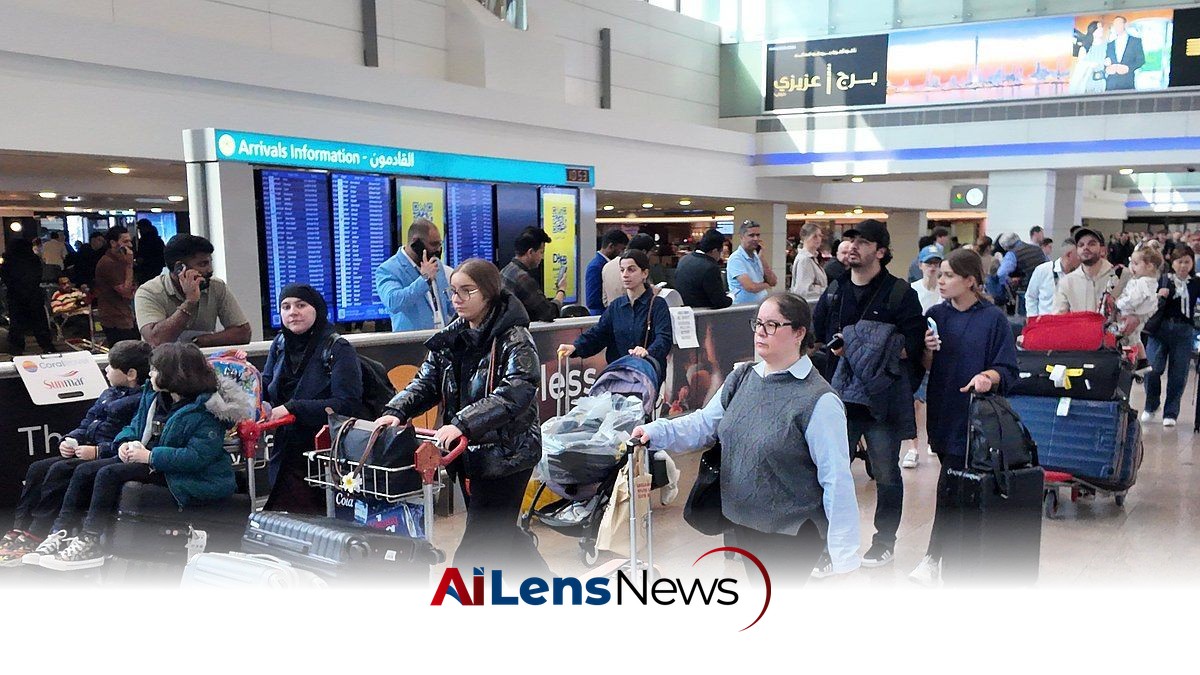


Stay informed about the latest flight cancellations and travel advisories for Emirates, flydubai, and Air Arabia from the UAE.
Abu Dhabi, United Arab Emirates Jul 27, 2026 ALN:
Dubai International Airport, recognized as one of the busiest airports globally, has proactively issued essential travel advice aimed at facilitating a seamless experience for passengers. This initiative comes in light of ongoing regional tensions that have prompted heightened security measures. The airport management has underscored the necessity for passengers to arrive well ahead of their scheduled departure times, as current circumstances have led to extended security and immigration processing durations. As a general guideline, passengers are advised to:
Arrive at least three hours before departure
Expect longer security and immigration processing times
Reach boarding gates at least 60 minutes before departure
Allow extra time for traffic delays
Use the Dubai Metro where possible, especially for Emirates Terminal 3
This advice is particularly pertinent as the airport experiences heightened passenger volumes, and the potential for delays is increased due to the current geopolitical climate. The increased flow of travelers can be attributed to several factors, including the holiday season, business travel, and a gradual recovery from the COVID-19 pandemic, which had previously curtailed international travel.
In addition to arriving early, passengers are encouraged to leverage technological solutions to enhance their travel experience. This includes utilizing online check-in, employing airline apps for real-time updates, taking advantage of early baggage drop-off services, and utilizing self-service kiosks where available. These measures can significantly reduce waiting times and improve the overall airport experience, making it less stressful for travelers in an already tense environment.
As the situation in the region continues to evolve, several countries have issued travel advisories cautioning their citizens about potential disruptions. These advisories reflect a growing concern over regional security issues that could impact air travel. The implications of these advisories are significant, as they not only affect the travel plans of individuals but also have broader repercussions on tourism and economic activity in the UAE, a nation that heavily relies on tourism as a key component of its economy.
US advisory: The US Department of State has issued a warning for travelers to prepare for possible flight cancellations, airspace closures, and other travel disruptions. They advise travelers to stay informed by confirming updates directly with airlines, which may be subject to rapid changes depending on the evolving situation. This advisory is particularly relevant for those planning to travel to or from the UAE, as American citizens make up a significant portion of the international traveler demographic.
UK advisory: The UK Foreign, Commonwealth and Development Office (FCDO) has noted that the security situation in the region remains unpredictable and may change swiftly. They recommend that travelers monitor updates closely and adhere to local guidance, which is crucial for ensuring personal safety while traveling. The UK government’s advisory highlights the importance of situational awareness for travelers, especially in areas with heightened military activity.
Canada: The Canadian government has advised against non-essential travel to the UAE, citing concerns over renewed missile or drone activity that could potentially affect flights. This advisory serves as a reminder of the risks associated with travel in areas experiencing increased military activity. Canadians are encouraged to evaluate their travel plans carefully and consider the implications of the advisory on their safety and well-being.
Australia: The Australian government has advised its citizens in the region to consider leaving if it is safe to do so, particularly while commercial flights remain available. This reflects a cautious approach to travel in a volatile environment, emphasizing the importance of safety first. Australian travelers are advised to remain vigilant and to have contingency plans in place in case of sudden changes in the security landscape.
The European Union Aviation Safety Agency (EASA) has extended its Gulf conflict-zone advisory until August 31, urging airlines to exercise caution due to risks associated with missile and drone activity, military operations, and potential debris in the airspace. This advisory highlights the ongoing concerns that airlines must navigate when planning flights in and out of the region. The implications of such advisories extend to the operational decisions of airlines, affecting routes, schedules, and overall passenger safety.
In light of the current travel advisories and potential disruptions, passengers are strongly encouraged to confirm their flight status directly with airlines before departing for the airport. Given the possibility of last-minute changes to flight schedules, staying informed is essential. Travelers should also ensure that they have all necessary travel documents readily available, including passports, visas, and any required health documentation. The COVID-19 pandemic has already introduced complexities in travel documentation, and the current geopolitical climate adds another layer of necessity for thorough preparation.
Arriving early is not just a recommendation but a crucial step in mitigating the stress associated with potential delays. Following instructions from airlines and airport authorities is vital, as these entities are best positioned to provide real-time updates and guidance based on the latest developments. Travelers should also remain vigilant and adaptable, as the situation can evolve rapidly, necessitating changes to travel plans. The ability to adapt to changing circumstances is becoming increasingly important in today's travel environment, where unpredictability is a common theme.
Overall, the combination of increased security measures, heightened travel advisories, and the potential for disruptions underscores the importance of proactive planning for travelers in the current environment. By staying informed and prepared, passengers can navigate the complexities of travel during these uncertain times more effectively. The proactive approach not only enhances personal safety but also contributes to a more efficient travel experience for everyone at the airport.
As the situation continues to develop, it is crucial for travelers to remain updated on both local and international advisories, as well as to maintain open lines of communication with airlines and airport officials. The implications of the ongoing geopolitical tensions extend beyond individual travel experiences, impacting the broader landscape of international travel and tourism in the region. The UAE, known for its hospitality and tourism infrastructure, is facing challenges that could affect its reputation as a leading travel destination.
In conclusion, while Dubai International Airport remains a key hub for global travel, the current advisories and heightened security measures necessitate a cautious approach for all passengers. By adhering to the advice provided and remaining vigilant, travelers can help ensure their safety and the smooth progression of their journeys. The collaborative effort between travelers, airlines, and airport authorities is essential in navigating the complexities of air travel in today's unpredictable geopolitical climate.
To learn more about the latest developments in Transport & Mobility, stay updated with our exclusive reports and analyses on AiLensNews.

