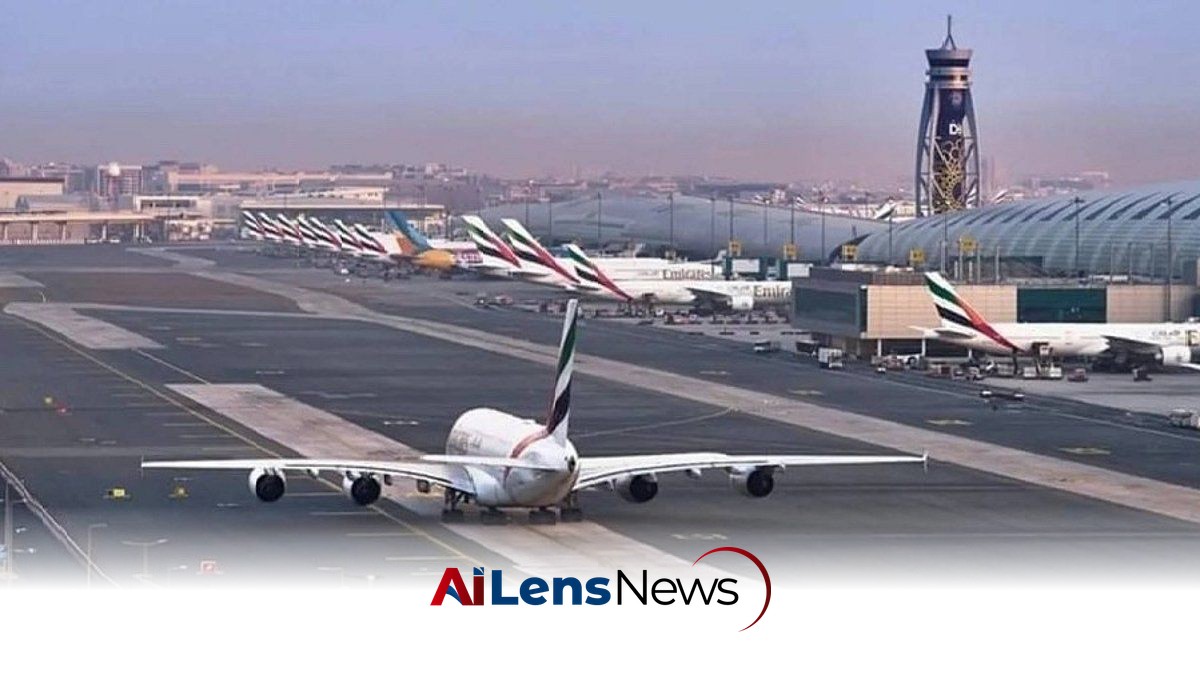


Stay informed about the latest flight cancellations and travel advisories affecting airlines operating in and out of the UAE.
Abu Dhabi, United Arab Emirates Jul 30, 2026 ALN:
A growing number of international airlines continue to suspend or reduce services across the Gulf as security concerns persist. This trend reflects a broader apprehension regarding safety in the region, which has been influenced by various geopolitical tensions. The Gulf region, known for its strategic air routes, has seen airlines reassess their operational strategies to ensure passenger safety and compliance with international aviation regulations.
In recent months, the geopolitical landscape has been marked by escalating tensions, particularly involving regional conflicts and international diplomatic strains. These factors contribute significantly to the security assessments that airlines undertake. The Gulf, serving as a critical hub for international travel and commerce, is particularly sensitive to developments in neighboring regions, including conflicts and political instability.
Among the latest measures:
British Airways has suspended flights to Dubai, Bahrain, Amman, and Tel Aviv until October 31. The airline's decision is part of a precautionary approach to ensure the safety of its passengers and crew amid evolving security assessments. This move follows similar actions by other carriers and reflects a collective response to perceived threats in the region.
Singapore Airlines, Air Canada, Cathay Pacific, Finnair, and ITA Airways have suspended Dubai services until October 24. These suspensions highlight the global impact of regional instability, as airlines prioritize safety over operational schedules. The decision to halt flights is not taken lightly, as it affects not only the airlines' revenue but also impacts travelers who rely on these services.
Lufthansa and Swiss will not resume Dubai flights until September 13, while other Middle East routes remain suspended until late October. This indicates a cautious stance from these airlines, as they navigate the complexities of flying in a region marked by heightened security alerts. The airlines' operational decisions are informed by intelligence assessments and ongoing monitoring of the situation.
Aegean Airlines and Air Astana have extended Dubai suspensions until August 31. Such extensions are often a reflection of ongoing assessments of the security landscape. The challenges faced by these airlines illustrate the ripple effects of geopolitical instability on global aviation.
KLM has suspended Dubai services until August 23, further underscoring the cautious approach taken by airlines operating in or near the Gulf region. This decision is indicative of a broader trend where airlines are prioritizing safety and the well-being of passengers over maintaining schedules.
Philippine Airlines continues to suspend Dubai flights until October 2, although Manila-Doha services have resumed. This partial resumption reflects a selective approach to service restoration based on safety evaluations, demonstrating the complexities airlines face in balancing operational needs with safety concerns.
Turkish Airlines has resumed flights to Dubai and Abu Dhabi but continues to suspend services to Iran. This selective resumption highlights the complex geopolitical dynamics at play, as airlines navigate which routes are deemed safe. The decision to resume certain routes while suspending others is a strategic response to the current security climate.
Wizz Air expects to resume Dubai and Abu Dhabi services during September. The airline's optimism for resuming services suggests a belief in improving conditions, though this remains contingent on ongoing security evaluations. The airline industry is known for its volatility, and airlines must remain agile in response to changing circumstances.
Although many UAE flights continue to operate, airlines are avoiding parts of the region's airspace because of security concerns. This decision has significant implications for flight operations, as airlines must adapt to changing conditions that can affect travel times and schedules. The airspace over conflict zones or areas of heightened military activity is often restricted or avoided altogether, leading to longer flight paths.
Passengers may experience:
Flight times extended by one to three hours because of longer routings. Airlines are rerouting flights to avoid areas perceived as high-risk, which can lead to longer travel times and increased fuel costs. The economic implications of these rerouting decisions can be substantial, as airlines face higher operational expenses that may eventually be passed on to consumers.
Last-minute cancellations or schedule changes. Airlines are often forced to make rapid decisions based on real-time assessments of the security environment, which can lead to disruptions for travelers. This unpredictability can be frustrating for passengers, who may have to scramble for alternative travel arrangements.
Longer connection times at transit airports. As direct routes become less viable, passengers may find themselves with longer layovers, complicating travel plans and potentially leading to missed connections. This can be particularly problematic for those on tight schedules or with subsequent flights to catch.
Delays in baggage delivery. The increased complexity of flight operations can lead to logistical challenges, resulting in delays as airlines manage the flow of luggage through altered flight paths. Passengers may find themselves waiting longer for their belongings upon arrival, adding to the overall travel stress.
The ongoing flight cancellations and delays have significant implications for travelers, particularly those with urgent travel needs or connecting flights. Many travelers may find themselves needing to adjust their plans, which can lead to additional costs and inconvenience. Airlines are advising passengers to stay informed about their flight statuses and to check for updates regularly. In this context, effective communication from airlines is crucial in managing passenger expectations and minimizing disruptions.
Travelers are also encouraged to consider travel insurance that covers cancellations and delays, as this can provide a safety net against unexpected changes in travel plans. The financial impact of travel disruptions can be considerable, and having insurance can alleviate some of the burdens associated with rebooking flights or finding alternative accommodations.
Additionally, those traveling for business or important engagements may need to build in extra time to accommodate potential delays. This proactive approach can help mitigate the stress associated with unforeseen changes in travel itineraries.
As the situation evolves, airlines and travelers alike are closely monitoring developments in the region. The interplay between security concerns and air travel will likely continue to shape the aviation landscape in the coming months. Travelers are advised to remain flexible and patient as airlines navigate these challenges. The collective experience of travelers during this period may also lead to increased awareness of the importance of security in air travel.
The future of air travel in the Gulf region remains uncertain as geopolitical tensions fluctuate. Airlines are expected to continue reassessing their routes and services based on security assessments, which may lead to further adjustments in flight schedules. The international aviation community is keenly aware of the need for collaboration and communication among governments, airlines, and security agencies to ensure the safety of air travel. This collaboration is vital in building trust among travelers and the aviation industry.
As the situation develops, it is essential for all stakeholders to remain vigilant and proactive in addressing security concerns while balancing the need for connectivity and economic activity. The resilience of the aviation industry will be tested in the months ahead, as it adapts to the challenges posed by an evolving security landscape. Stakeholders must work together to enhance security measures without compromising the efficiency and accessibility of air travel.
In conclusion, the current state of flight cancellations and delays in the UAE and the broader Gulf region highlights the interconnectedness of global air travel and security. As airlines navigate these complexities, the implications for travelers and the aviation industry as a whole will continue to unfold. The ongoing situation underscores the importance of adaptability and preparedness in an industry that is inherently subject to external pressures and uncertainties.
To learn more about the latest developments in Transport & Mobility, stay updated with our exclusive reports and analyses on AiLensNews.

