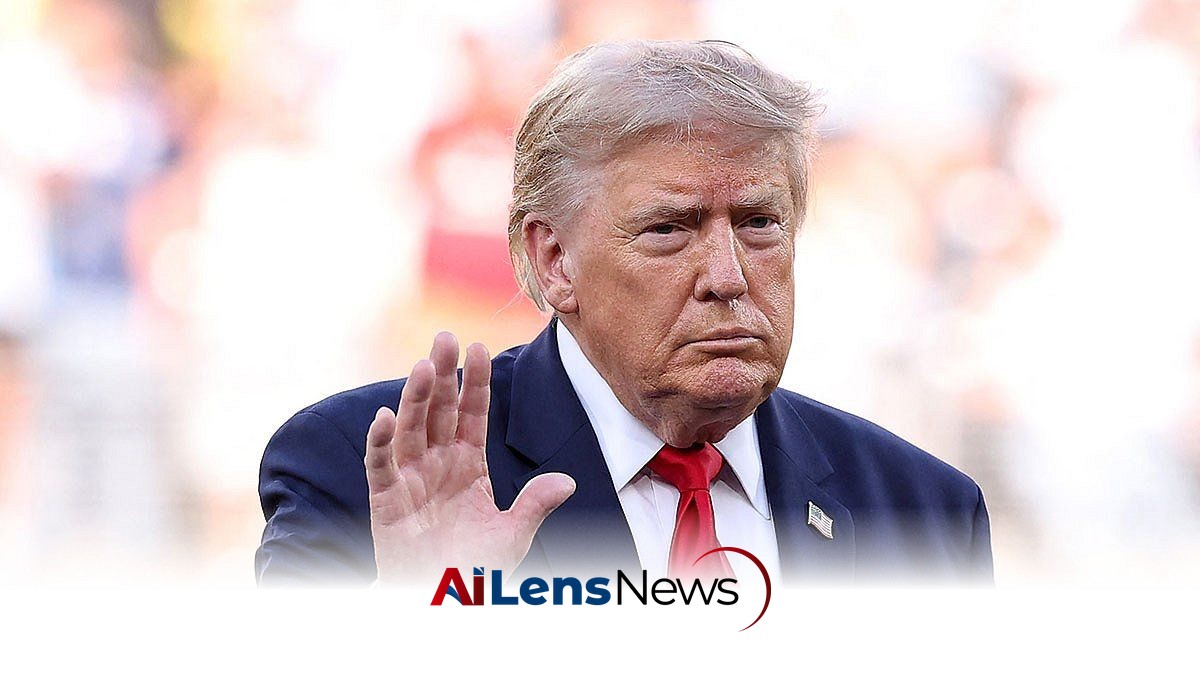


As oil prices drop, Trump calls for negotiations with Iran, while Tehran demands US commitment to peace talks amidst escalating regional conflicts.
Abu Dhabi, United Arab Emirates Aug 4, 2026 ALN: In a significant shift in diplomatic relations, US President Donald Trump has urged Iran to engage in negotiations aimed at de-escalating tensions in the Middle East. This announcement comes amid a backdrop of rising geopolitical tensions that have implications not only for the region but also for global markets, particularly the oil industry. The call for dialogue has had immediate effects on oil prices, which tumbled by more than six percent on Monday. This decline was notable given that oil prices had been experiencing upward pressure due to ongoing conflicts and uncertainties surrounding supply disruptions in the Gulf region.
The context of Trump's announcement is crucial to understanding its impact. Over the past few years, relations between the United States and Iran have deteriorated significantly, particularly following the US withdrawal from the Joint Comprehensive Plan of Action (JCPOA) in 2018. This agreement, which was designed to limit Iran's nuclear capabilities in exchange for sanctions relief, had been a cornerstone of diplomatic efforts to stabilize the region. The JCPOA was reached after extensive negotiations involving not just the US and Iran, but also several other world powers, including the UK, France, Russia, China, and Germany. The deal was seen as a major diplomatic achievement, aiming to prevent Iran from developing nuclear weapons while allowing for a degree of economic engagement.
Since the withdrawal, the US has reimposed stringent sanctions on Iran, leading to economic hardship and increased tensions, including military confrontations in the Gulf. The sanctions have targeted various sectors of Iran's economy, including oil exports, which are crucial for the country's revenue. As a result, Iran's economy has faced significant contraction, leading to widespread protests and social unrest within the country. The Iranian leadership has reacted to these pressures with a mix of defiance and attempts to seek support from other nations, including China and Russia, who have been more sympathetic to Iran's position.
Despite Trump's overtures for negotiations, Iranian officials have publicly denied that any discussions are currently taking place. This denial raises questions about the sincerity and potential effectiveness of Trump's call for talks. Iran's leadership has consistently maintained a position of resistance to US pressures, viewing the sanctions as a form of economic warfare. The complicated nature of the negotiations is further exacerbated by internal political dynamics within Iran, where hardliners often oppose engagement with the West. The political landscape in Iran is complex, with various factions holding differing views on how to approach relations with the US and the West in general. This internal division complicates any potential diplomatic efforts, as the Iranian government must navigate both external pressures and domestic political realities.
On the global economic front, the volatility in oil prices is a reflection of these geopolitical uncertainties. Oil prices had seen a significant increase in recent weeks, driven by fears of supply disruptions due to military actions and the strained relations between the US and Iran. The recent drop in prices, however, reflects a market reaction to the possibility of renewed diplomatic efforts, which could stabilize the situation and potentially lead to increased oil exports from Iran. The oil market is particularly sensitive to geopolitical events, and any indication of potential negotiations can shift investor sentiment rapidly, as seen in the immediate aftermath of Trump's announcement.
Moreover, the fluctuations in oil prices are not occurring in isolation. The announcement coincided with a joint intervention by US and Japanese authorities in the currency markets, aimed at supporting the yen, which had been weakening against the dollar. The yen surged following this intervention, indicating a complex interplay between currency fluctuations and commodity prices. A weaker yen generally benefits major Japanese exporters such as Sony and Toyota, as it makes their products cheaper in foreign markets. However, it also increases import costs for Japan, contributing to a nearly one percent decline in the main Japanese stock index on Monday. This reflects the delicate balance that countries must maintain in managing their currencies in response to global economic conditions.
The currency markets have shown mixed results overall. While the dollar rose against the pound and the euro, it fell sharply against the yen, highlighting the immediate impact of the joint intervention. The yen had reached its weakest level against the dollar since 1986, driven by a combination of higher US interest rates, rising oil prices, and persistent capital outflows from Japan. This situation underscores the interconnectedness of global markets, where developments in one area can have ripple effects across various sectors. For instance, a stronger dollar can make US exports more expensive for foreign buyers, potentially impacting the competitiveness of American goods in global markets.
Despite the recent drop in oil prices, they remain significantly higher than levels recorded prior to the US and Israeli strikes against Iran, which have severely limited Gulf exports of oil and other essential products. This ongoing conflict has created a precarious situation for global oil supply, and any potential resolution through diplomatic negotiations could have far-reaching implications for prices and supply chains. The Middle East has long been a critical region for global oil supply, and stability in this area is vital not just for regional economies but for the global economy as a whole. Any disruptions in oil supply can lead to significant fluctuations in prices, impacting everything from consumer goods to transportation costs.
Furthermore, the agreement among Saudi Arabia, Russia, and five other OPEC+ members to increase production by 188,000 barrels a day starting in September also played a role in the recent price decrease. Analysts suggest that this increase in production is a strategic move to stabilize the market amid fluctuating prices and geopolitical tensions. The decision reflects OPEC+'s ongoing commitment to managing oil supply and balancing the needs of member countries against market demands. OPEC+ has been known to adjust production levels in response to market conditions, and this latest move indicates an awareness of the need to maintain price stability in the face of uncertainty.
In conclusion, Trump's call for negotiations with Iran amidst rising tensions presents a complex scenario with multiple layers of implications for both geopolitical relations and global markets. The immediate effects on oil prices and currency markets illustrate the interconnected nature of these issues. As the situation continues to evolve, the potential for diplomatic engagement could pave the way for a more stable environment in the Middle East, impacting not only regional dynamics but also the global economy as a whole. Stakeholders in various sectors will be closely monitoring developments, as the outcomes of these negotiations could reshape the landscape of international relations and economic stability. The interplay of political decisions, economic conditions, and market reactions will continue to be a critical area of focus for analysts and policymakers alike.
To learn more about the latest developments in Politics, stay updated with our exclusive reports and analyses on AiLensNews.

