


Iran's officials assert that US sanctions and military actions are prompting nations to pursue nuclear weapons, exacerbating tensions in the Strait of Hormuz.
Abu Dhabi, United Arab Emirates Aug 23, 2026 ALN: Iran's Supreme National Security Council Secretary Mohsen Rezaei has accused US President Donald Trump of undermining global nuclear security, alleging that Washington's military aggression against Tehran has driven other nations to seek atomic weapons. This statement comes amid escalating tensions in the Strait of Hormuz, a critical maritime passage for global oil shipments, which has seen increased military presence from the United States and its allies in recent years.
The accusations made by Rezaei are part of a broader narrative that Iranian officials have articulated, particularly since the United States withdrew from the Joint Comprehensive Plan of Action (JCPOA) in May 2018. The JCPOA was a landmark agreement aimed at curbing Iran's nuclear program in exchange for the lifting of economic sanctions. The US exit from the deal, followed by the reimposition of stringent sanctions, has not only strained US-Iran relations but has also raised concerns about nuclear proliferation in the region.
According to Iran's Tasnim news agency, Rezaei stated that countries have perceived membership in the International Atomic Energy Agency (IAEA) and the Nuclear Non-Proliferation Treaty (NPT) as ineffective in preventing US attacks. This sentiment reflects a growing disillusionment among some nations regarding international frameworks designed to promote nuclear non-proliferation and ensure the peaceful use of nuclear energy. Iran's position suggests that rather than deterring nuclear ambitions, the actions of the United States have inadvertently encouraged nations to pursue their own nuclear capabilities as a form of self-defense.
"Trump's recklessness, with his attacks on Iran, has increased the desire of people around the world to acquire nuclear weapons, especially when they saw that membership in the International Atomic Energy Agency and the [Nuclear Non-Proliferation Treaty] NPT was ineffective in preventing attacks from the United States," Rezaei said. This statement highlights a critical aspect of Iran's foreign policy narrative, which seeks to position the country as a victim of unilateral aggression while simultaneously advocating for a more multipolar world order where nuclear weapons are not concentrated in the hands of a few states.
The implications of Rezaei's comments extend beyond rhetoric. They reflect a significant shift in the geopolitical landscape, where nations may reconsider their security strategies in light of perceived threats. The fear of US military intervention, particularly in the Middle East, has led some countries to explore nuclear capabilities as a deterrent. This trend poses a challenge to global non-proliferation efforts and raises concerns about a possible arms race in a region already fraught with tensions.
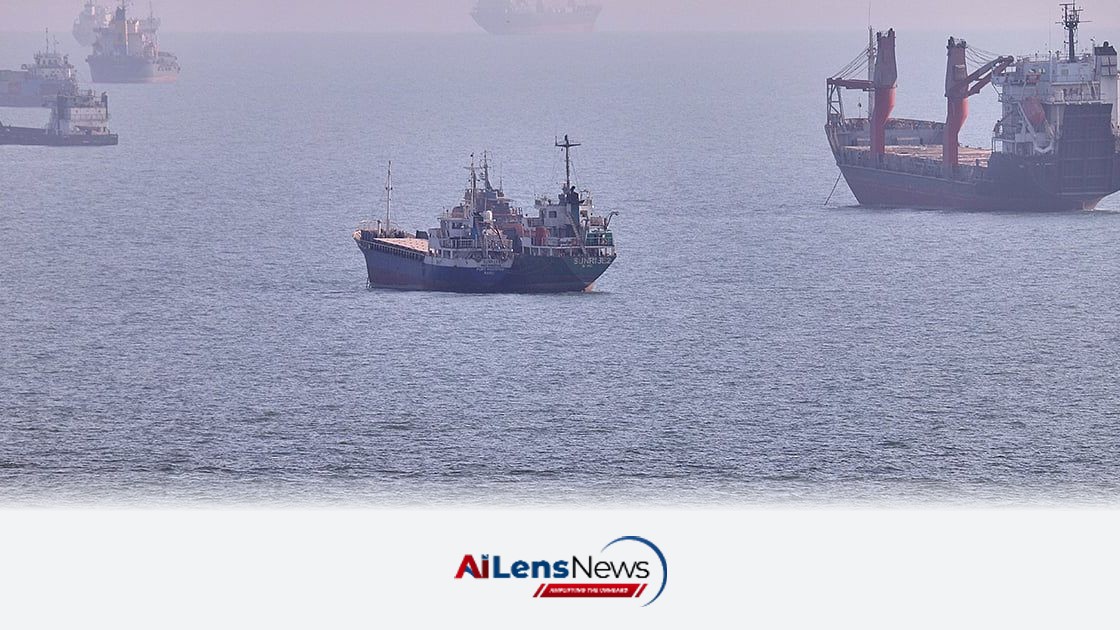
The Strait of Hormuz, through which approximately one-fifth of the world's oil supply passes, has been a flashpoint for US-Iran tensions. The area has seen numerous incidents involving naval forces from both countries, including confrontations and the seizure of vessels. The strategic importance of this waterway amplifies the stakes of any military engagement and underscores the potential consequences of a miscalculation.
In response to the heightened tensions, the United States has increased its military presence in the region, deploying additional naval assets and conducting joint exercises with allies. This military buildup is framed by Washington as a necessary measure to ensure freedom of navigation and to deter Iranian aggression. However, Iran views these actions as provocative, further exacerbating the cycle of escalation.
The international community remains divided on how to address the situation. While some countries support the US approach of exerting maximum pressure on Iran, others advocate for diplomatic engagement and a return to negotiations. The European Union, for instance, has sought to mediate between the two sides, emphasizing the importance of dialogue in resolving disputes and preventing further escalation.
As tensions continue to rise, the risk of miscommunication or miscalculation increases. Both Iran and the United States have vested interests in avoiding direct conflict, yet the ongoing military posturing and hostile rhetoric could lead to unintended consequences. The situation calls for careful diplomacy and a reassessment of strategies to prevent a potential crisis that could have far-reaching implications for regional stability and global security.
In conclusion, Rezaei's remarks serve as a reminder of the complex interplay between national security, international agreements, and the pursuit of nuclear capabilities. As countries navigate the challenges posed by US policies and regional rivalries, the future of nuclear non-proliferation hangs in the balance. The international community must work collaboratively to address the underlying issues and promote a more secure and stable environment in the Middle East and beyond.
To learn more about the latest developments in World News & International Affairs, stay updated with our exclusive reports and analyses on AILensNews.

