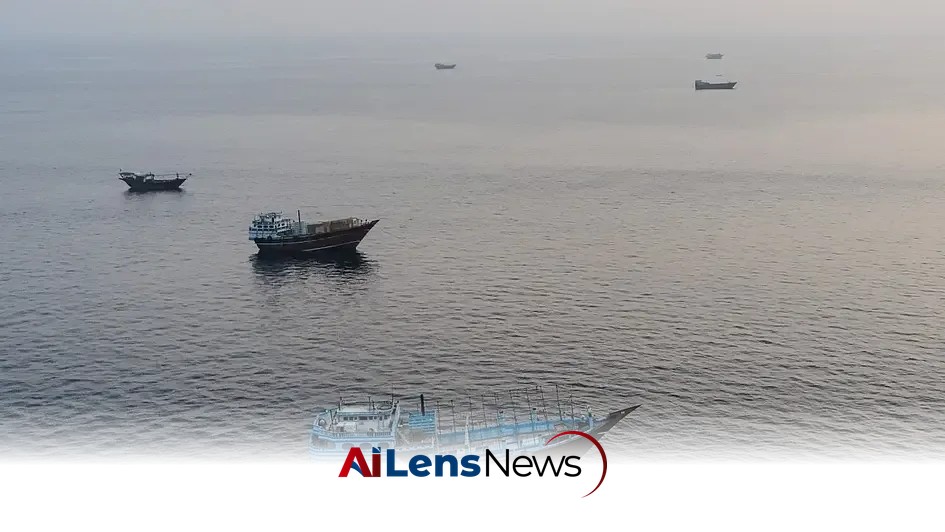


Shipping traffic through the Strait of Hormuz has reached a one-week low due to escalating hostilities in the region. This decline raises concerns about maritime security and trade.
Abu Dhabi, United Arab Emirates Aug 12, 2026 ALN: Shipping traffic through the Strait of Hormuz, a critical waterway for global oil transport, has fallen to its lowest level in a week amid escalating tensions in the region. The decline in maritime activity is attributed to increased hostilities, which have raised concerns over the safety of vessels navigating these waters. The Strait of Hormuz is not only significant for its geographical location but also for its role in the global economy, serving as a conduit for a substantial portion of the world's energy supplies.
The Strait of Hormuz is a vital passage for approximately 20% of the world's oil supply, making fluctuations in shipping traffic significant not only for regional economies but also for global energy markets. This narrow waterway, measuring just 21 miles wide at its narrowest point, is bordered by Iran to the north and Oman to the south, and it connects the Persian Gulf with the Gulf of Oman and the Arabian Sea. Given its importance, any disruption in shipping traffic through this strait can have far-reaching implications for oil prices, affecting everything from consumer fuel costs to the broader global economy.
The recent decrease in shipping activity has prompted discussions among industry experts regarding the implications for oil prices and supply chain stability. Historically, periods of heightened tension in the region have led to spikes in oil prices due to fears of supply disruptions. In recent weeks, geopolitical incidents, including military confrontations and threats from regional actors, have heightened these fears, leading to a cautious approach from shipping companies and oil traders alike. The potential for military engagements or retaliatory actions can create an environment of uncertainty that discourages normal shipping operations.
As hostilities continue, shipping companies are reassessing their routes and security measures, which could lead to longer transit times and increased costs. The potential for increased insurance premiums for vessels operating in high-risk areas is also a concern. Shipping companies may opt for longer, alternative routes, which could further exacerbate delays in oil delivery and impact global supply chains. This cautious approach may result in a ripple effect, influencing not only oil prices but also the costs of goods that depend on oil for transportation and production. For instance, the transport of consumer goods, agricultural products, and raw materials could see increased prices as shipping costs rise, ultimately affecting consumers worldwide.
Furthermore, the situation remains fluid, and stakeholders are closely monitoring developments to adapt to the changing landscape. The international community, including major oil-importing nations, is likely to keep a close eye on the situation, as any significant escalation could prompt diplomatic responses or even military interventions aimed at ensuring the safety of maritime navigation in this crucial area. The strategic importance of the Strait of Hormuz means that any disruption could lead to swift reactions from global powers, particularly those with vested interests in maintaining stable oil supplies.
In light of these developments, it is crucial for maritime operators and governments to enhance coordination and communication to ensure the safety of vessels and the uninterrupted flow of trade through this strategic region. Collaborative efforts, such as joint naval patrols and intelligence sharing among nations with interests in the region, could be pivotal in maintaining security and stability in the Strait of Hormuz. Additionally, the involvement of international organizations may be necessary to mediate tensions and promote dialogue among conflicting parties. The role of organizations such as the United Nations or regional coalitions could be instrumental in de-escalating tensions and fostering a cooperative approach to maritime security.
The implications of declining shipping traffic extend beyond immediate economic concerns. They also highlight the vulnerabilities of global supply chains that are heavily reliant on specific maritime routes. The potential for disruptions in oil supply can lead to broader economic consequences, including inflationary pressures and shifts in energy policy as nations seek to secure alternative sources of oil and gas. Countries may begin to explore energy diversification strategies, investing in renewable energy sources or seeking new trade partnerships to mitigate risks associated with reliance on a single route for oil transport.
Moreover, the geopolitical landscape in the Middle East is complex and multifaceted. The Strait of Hormuz is not just a shipping lane; it is a focal point of international relations, involving various stakeholders, including Iran, the United States, and Gulf Cooperation Council (GCC) countries. Each of these actors has its own interests and agendas, which can complicate efforts to stabilize the region. For instance, Iran has historically exerted influence over the Strait, using it as leverage in its negotiations with other nations, particularly in the context of nuclear discussions and sanctions relief. The interplay of these geopolitical dynamics can lead to unpredictable outcomes that affect not only regional stability but also global energy markets.
The decline in shipping traffic also raises questions about the future of energy security in a world that is increasingly focused on diversifying energy sources. As countries strive to reduce their dependence on oil, the strategic importance of the Strait of Hormuz may evolve. However, for the time being, it remains a critical chokepoint for oil transport, and any threats to its security can have immediate and profound effects on global markets. The transition towards alternative energy sources may not happen overnight, and until then, the reliance on oil as a primary energy source means that the Strait of Hormuz will continue to play a crucial role in global energy dynamics.
In conclusion, the decline in shipping traffic through the Strait of Hormuz amid rising tensions serves as a stark reminder of the interconnectedness of global trade and the vulnerabilities inherent in relying on specific maritime routes. As the situation develops, stakeholders must remain vigilant and proactive in addressing the challenges posed by regional instability. The ongoing dialogue among nations, coupled with strategic planning by shipping companies, will be essential in navigating the complexities of this critical waterway and ensuring the continued flow of trade in an increasingly uncertain world. The potential for cooperation and conflict in this region will likely shape the future of global energy security and economic stability.
Stay with us as we navigate the evolving regional landscape and bring you the latest updates on the situation in the Middle East, including developments that may impact shipping, oil prices, and global energy dynamics.
To learn more about the latest developments in Transport & Mobility, stay updated with our exclusive reports and analyses on AiLensNews.

