

Recent missile strikes in the Gulf have heightened tensions, prompting international responses and a new EU initiative for Gaza recovery.
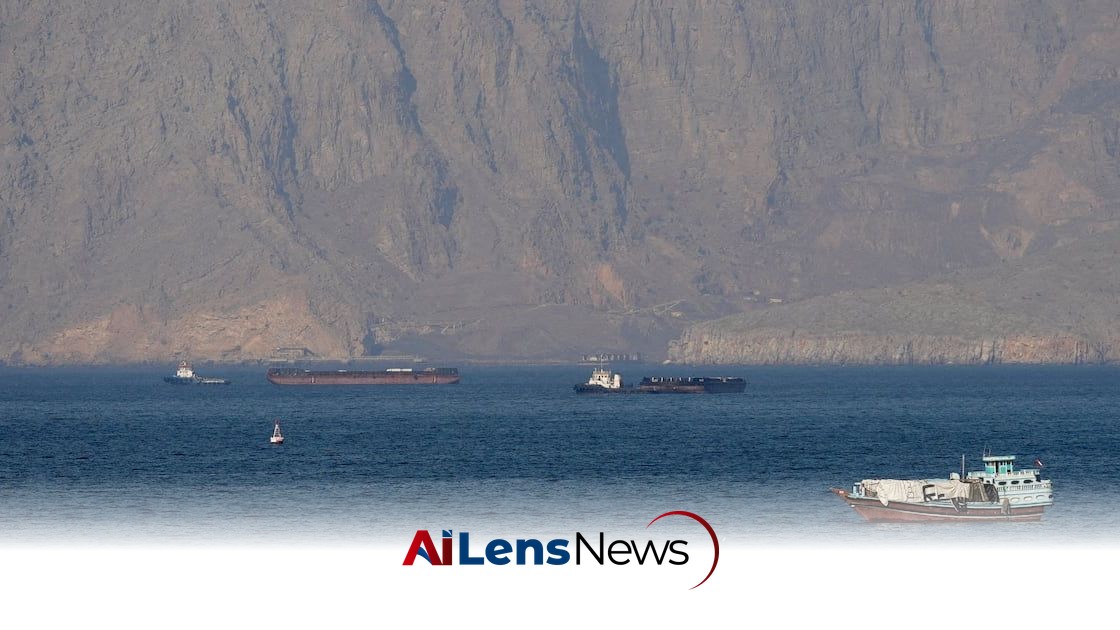
Abu Dhabi, United Arab Emirates Jul 14, 2026 ALN: In a significant escalation of hostilities across the Gulf, Iranian missiles have struck two supertankers belonging to the United Arab Emirates (UAE) in the strategically vital Strait of Hormuz. This incident has resulted in the tragic death of one sailor and injuries to eight others, marking a critical point in ongoing tensions in the region. The Strait of Hormuz is a crucial maritime chokepoint, through which approximately 20% of the world's oil passes, making it a focal point of international shipping and energy security. The narrow waters of the strait have long been a flashpoint for geopolitical tensions, especially given the high volume of oil transported through this route, which is vital not only for the economies of the Gulf states but also for global energy markets.
This latest attack comes on the heels of a series of US military strikes on Iranian positions, which have heightened fears of an escalating conflict. The US has maintained a military presence in the region as a deterrent against Iranian aggression, and the recent strikes are part of a broader strategy to counter Iran's influence. President Donald Trump has proposed a controversial 20 percent transit charge for vessels operating under US protection in the strait, a move that has drawn criticism from various quarters. Critics argue that such a charge could exacerbate tensions and provoke retaliatory actions from Iran, potentially leading to a more significant military confrontation. The proposal raises questions about the future of maritime security in the region and the implications for global oil prices, as disruptions in this vital corridor could lead to significant economic repercussions worldwide. The reliance of many countries on oil imports from the Gulf means that any instability could ripple through the global economy.
The situation has prompted the UK government to update its travel advice for visitors to the UAE, reflecting concerns over safety amid the escalating military tensions. The travel advisory serves as a reminder of the potential risks associated with traveling in a region marked by conflict and uncertainty. Despite the heightened alert, reports indicate that airports in the Emirates are operating with only limited disruptions. This suggests that while the security situation is deteriorating, the UAE remains a key hub for international travel and trade, although travelers are advised to remain vigilant. The UAE has positioned itself as a safe and stable destination in the Middle East, attracting tourists and business travelers alike, but the recent escalation in violence poses challenges to this perception.
In Yemen, the conflict has also intensified, with Saudi Arabia facing renewed attacks from Houthi rebels. These attacks have included the interception of ballistic missiles aimed at various targets, including Sanaa International Airport, which has been a focal point of military activity. The ongoing hostilities in Yemen are part of a larger regional power struggle, with Iran backing the Houthis and Saudi Arabia leading a coalition supporting the Yemeni government. The UN has issued urgent calls for measures to prevent a return to full-scale conflict in the region, emphasizing the need for diplomatic solutions to address the ongoing humanitarian crisis in Yemen. The war in Yemen, which has been described as one of the world's worst humanitarian disasters, has led to widespread suffering and displacement, with millions in need of assistance. The complexity of the Yemeni conflict, coupled with the involvement of external actors, complicates efforts for peace and stability.
Meanwhile, diplomatic efforts continue in the broader Middle East context, with Lebanese and Israeli delegations set to meet in Rome for US-backed negotiations. These discussions are expected to focus on the future of southern Lebanon and Israel's proposed withdrawal from pilot zones, a move that could have significant implications for regional stability. The ongoing tensions between Israel and Hezbollah, the militant group based in Lebanon, add a layer of complexity to these negotiations, as both sides seek to address security concerns while navigating a fraught political landscape. The potential for conflict remains high, particularly given the history of hostilities between Israel and Hezbollah and the broader implications for Lebanese sovereignty and security.
In a related development, the European Union has launched an ambitious €883.6 million ($1 billion) recovery initiative for Gaza. This initiative is aimed at restoring essential services and supporting reconstruction efforts in the region, which has been devastated by years of conflict. The EU's commitment to Gaza recovery involves collaboration with 15 international partners, signaling a concerted effort to stabilize the area as the Palestinian Authority moves forward with governance reforms. The initiative is seen as a crucial step in addressing the dire humanitarian needs in Gaza, where infrastructure has been severely damaged, and access to basic services has been compromised.
The EU's recovery plan underscores the importance of international engagement in addressing the humanitarian needs of Palestinians while also promoting political stability. The initiative aims to rebuild infrastructure, provide healthcare, and support education, which are critical for the long-term recovery of Gaza. As the Palestinian Authority works to implement reforms, the success of these efforts will depend on the cooperation of various stakeholders, including Israel, which has historically been a key player in the region's dynamics. The EU's approach reflects a recognition that sustainable peace in the region requires addressing both humanitarian needs and the underlying political issues that contribute to ongoing conflict.
The unfolding events in the Gulf, coupled with the EU's commitment to Gaza recovery, highlight the intricate and often volatile geopolitical landscape of the region. The implications of these developments extend beyond immediate security concerns, as they influence international relations and local stability. The potential for further military escalation in the Gulf raises alarms about global energy security, while the EU's recovery efforts in Gaza could serve as a model for future international interventions in conflict-affected areas. The interconnectedness of these issues underscores the need for a comprehensive approach to conflict resolution in the Middle East.
As tensions continue to rise, the international community watches closely, recognizing that the stability of the Gulf and the broader Middle East is interconnected. The outcomes of the current hostilities and diplomatic negotiations will likely shape the future of regional politics, influencing not only the countries directly involved but also global powers with vested interests in the area. The situation remains fluid, and the coming weeks will be critical in determining whether a path toward de-escalation can be achieved or if the region will descend further into conflict. The role of international actors, including the US and EU, will be pivotal in shaping the response to these escalating tensions and addressing the underlying issues that fuel instability in the region.
To learn more about the latest developments in World News & International Affairs, stay updated with our exclusive reports and analyses on AiLensNews.

