

More
Checking your session
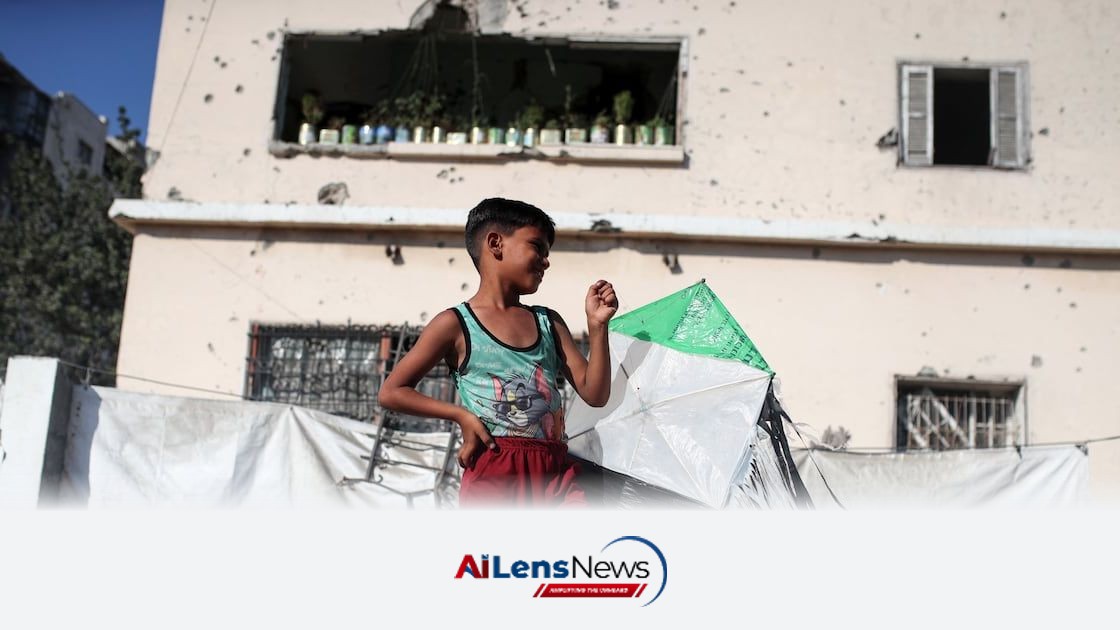



In Gaza, children's innocent kite-flying is now overshadowed by threats from Israel, warning of military action if kites cross the border.
Abu Dhabi, United Arab Emirates Aug 26, 2026 ALN: The recent transformation of kite-flying in Gaza from a cherished childhood pastime into a source of anxiety underscores the complex and often volatile nature of the Israeli-Palestinian conflict. For many families in Gaza, the simple act of children flying kites has now become intertwined with the looming threat of military action from Israel, reflecting a broader atmosphere of fear and uncertainty that pervades daily life in the region.
The backdrop to this situation is the long-standing conflict between Israel and the Palestinian territories, particularly Gaza, which has been under a blockade since 2007. This blockade has severely restricted the movement of people and goods, leading to significant humanitarian challenges for the population of Gaza. The ongoing tensions have resulted in multiple escalations in violence, with both sides suffering casualties and losses, further entrenching animosities and fears.
Marwan Al Harazeen, a 55-year-old resident of northern Gaza who has experienced displacement, articulated the concerns many parents feel today. The fear that a kite flown by a child could provoke a military response from Israel has led families to reconsider what was once a joyful activity. Al Harazeen's statement, emphasizing the need to take Israeli threats seriously, reflects a broader sentiment among Gazans who feel vulnerable and exposed to the unpredictable nature of conflict. This fear is compounded by the historical context of the conflict, where even minor incidents can escalate into significant military confrontations.
The Israeli military's recent warning came after reports of kites from Gaza landing in Nahal Oz, an Israeli kibbutz near the border. Although the army found nothing dangerous on the kites, the incident reignited memories of a previous campaign of incendiary kites and balloons that had resulted in extensive wildfires across Israeli agricultural lands between 2018 and 2021. This history of conflict has created a heightened sensitivity to any perceived threats emanating from Gaza, leading to swift military responses that further exacerbate tensions.
During the Great March of Return, which began in 2018, Palestinians used kites and balloons as a means of protest against the blockade and to draw attention to their plight. These kites were often equipped with incendiary materials intended to cause fires on the Israeli side of the border. Mkhaimar Abusada, a Palestinian political analyst, pointed out that while the kites used during the protests were weaponized, the current kites being flown by children are devoid of such materials. This distinction highlights the innocence of the act of kite-flying, which has now become overshadowed by the fear of military reprisals.
The implications of this transformation are profound. The act of flying a kite, which symbolizes freedom and joy in many cultures, has morphed into a potential trigger for violence in Gaza. Families are now faced with the dilemma of allowing their children to engage in a traditional and innocent activity while grappling with the potential consequences of that action. This situation illustrates a broader theme within the conflict: the ways in which everyday life is impacted by geopolitical tensions and military threats.
The psychological toll on children in Gaza cannot be understated. Growing up in an environment where simple joys are overshadowed by fear of violence can have lasting effects on mental health and development. The constant threat of military action creates an atmosphere of anxiety, which can hinder children's ability to engage in play, learn, and develop healthy social interactions. As kite-flying becomes a source of fear, it reflects the broader loss of childhood innocence in a region beset by conflict.
Furthermore, this situation raises questions about the broader implications for peace and reconciliation efforts in the region. The normalization of fear and distrust can stymie dialogue and understanding between communities. When acts of childhood joy are perceived as threats, it creates barriers to empathy and connection, making it more challenging to envision a future where both Israelis and Palestinians can coexist peacefully.
In conclusion, the transformation of kite-flying in Gaza from a symbol of childhood joy into a source of fear illustrates the profound impact of conflict on daily life. As families navigate the complexities of raising children in a war-torn environment, the innocence of childhood is continually at risk. The ongoing tensions between Israel and Gaza serve as a reminder of the urgent need for dialogue and resolution, as well as the importance of protecting the basic rights of children to play and experience joy without fear.
To learn more about the latest developments in World News & International Affairs, stay updated with our exclusive reports and analyses on AILensNews.