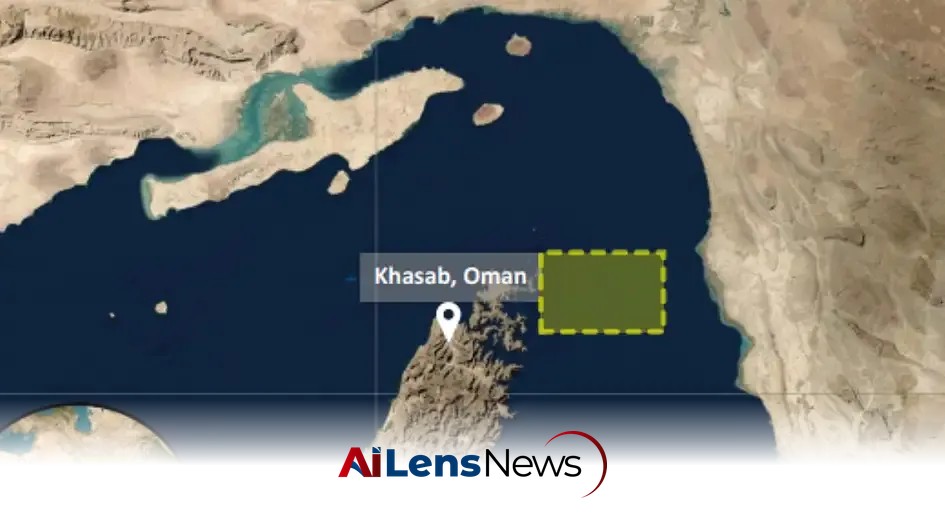


A vessel was struck off the coast of Oman in the Strait of Hormuz, resulting in one crew member's death amidst rising tensions following the US-Iran ceasefire expiration.
Abu Dhabi, United Arab Emirates Aug 18, 2026 ALN: In a tragic incident in the Strait of Hormuz, a vessel was struck off the coast of Oman, leading to the death of one crew member. This event unfolds as the world marks the second day since the temporary ceasefire between the United States and Iran expired, raising concerns over escalating tensions in the region. The Strait of Hormuz is not only a vital waterway for global trade but also a focal point for geopolitical conflict, making any incident in this area particularly significant.
The United Kingdom Maritime Trade Operations (UKMTO) reported the incident, highlighting the precarious situation in the Strait of Hormuz, a critical maritime corridor for global oil shipments. The strait, which connects the Persian Gulf to the Gulf of Oman, is one of the most strategically important waterways in the world, with approximately 20% of the global oil supply passing through it. The identity of the vessel and the circumstances surrounding the strike remain under investigation, with authorities working to gather more information about the event and its implications.
As hostilities seem to be resuming, the international community is closely monitoring the situation. The expiration of the ceasefire has led to fears of renewed conflict, with ongoing talks appearing to occur parallel to rising hostilities. The ceasefire, although temporary, was seen as a crucial step toward de-escalation in a region that has been fraught with tension for decades. The geopolitical landscape surrounding the Strait of Hormuz has been shaped by a complex interplay of national interests, regional rivalries, and international diplomacy.
The backdrop to this incident includes a series of confrontations between Iranian and U.S. forces, as well as their respective allies and proxies in the region. The U.S. has maintained a military presence in the Gulf, citing the need to ensure freedom of navigation and to counter Iranian influence. Meanwhile, Iran has consistently asserted its right to defend its territorial waters and has threatened to close the strait in response to perceived provocations. The expiration of the ceasefire has heightened fears that these tensions could escalate into open conflict, with significant implications for global oil markets and regional stability.
In response to the incident, Iranian Foreign Minister Seyed Abbas Araghchi condemned the attack on the Kurdish Prime Minister's office, labeling it a "ploy to sow discord" among neighboring countries. His remarks reflect a broader narrative within Iranian leadership that seeks to frame external actions as provocations aimed at destabilizing the region. He emphasized the need for vigilance against such provocations, which could escalate tensions further. This statement underscores the Iranian government's sensitivity to perceived threats, particularly in a context where they are already on high alert due to the recent expiration of the ceasefire.
International responses to the incident are likely to vary, with some nations calling for restraint and dialogue, while others may view the situation as an opportunity to strengthen their military presence in the region. The United States, for instance, has previously expressed its commitment to ensuring the security of maritime routes and may respond with increased naval patrols or diplomatic efforts aimed at addressing Iranian actions.
This incident underscores the fragile security situation in the region, particularly in the Strait of Hormuz, where a significant portion of the world's oil supply transits. The maritime community is urged to remain alert as geopolitical tensions continue to rise. Shipping companies operating in the area may need to reassess their security protocols, potentially increasing insurance costs and altering shipping routes to mitigate risks. The implications extend beyond immediate safety concerns; disruptions in this critical corridor can have ripple effects on global oil prices and supply chains, influencing economies far beyond the region.
Moreover, the potential for miscalculation or unintended escalation remains a pressing concern. With multiple actors involved, including regional powers and international stakeholders, the risk of conflict could inadvertently increase if communication channels are not effectively maintained. The international community's response to this incident will be crucial in shaping the future dynamics of the region.
The tragic loss of life in this incident serves as a stark reminder of the volatility in the region. As diplomatic efforts continue, the international community hopes for a resolution that will restore peace and stability. The situation in the Strait of Hormuz remains a litmus test for global diplomatic engagement, as stakeholders navigate the complexities of national interests, regional security, and the ever-present threat of conflict. The coming days and weeks will be critical in determining whether this incident will lead to further escalation or serve as a catalyst for renewed dialogue and cooperation.
To learn more about the latest developments in World News & International Affairs, stay updated with our exclusive reports and analyses on AiLensNews.

