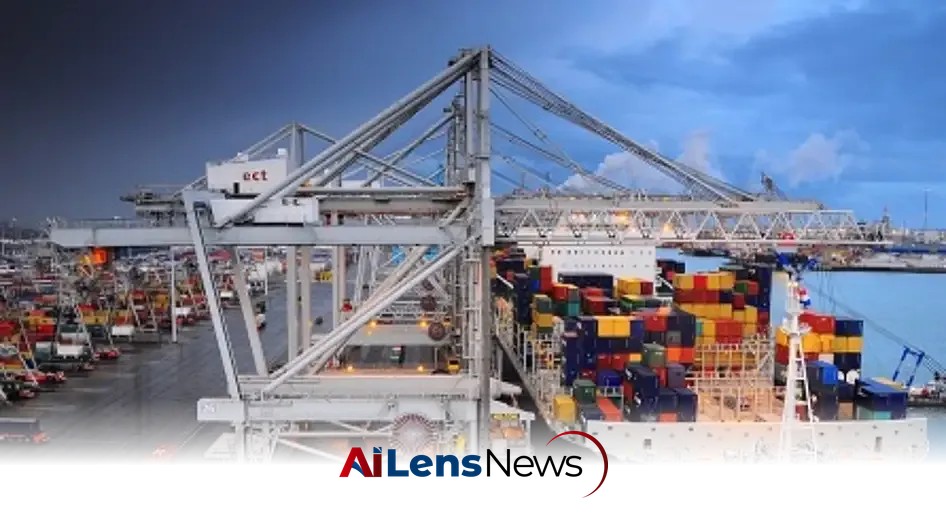


A drone strike targeted a US-operated LNG floating storage facility at Damietta port, igniting fires on two gas ships.
Abu Dhabi, United Arab Emirates Jul 30, 2026 ALN: An explosion at the LNG terminal in Egypt's Damietta port has resulted in significant damage and the ignition of fires on two gas ships. The incident occurred when at least one unmanned aerial vehicle struck the US-owned and operated, Marshall Islands-flagged LNG floating storage facility. This attack has raised concerns over the security of maritime operations in the region, particularly given the strategic importance of LNG terminals in global energy supply chains. Eyewitness accounts describe a massive explosion followed by thick plumes of smoke rising from the terminal, with emergency services quickly deployed to manage the situation.
According to local authorities, the explosion happened in the early hours, and the fires on the gas ships were fueled by the LNG stored at the terminal. Emergency response teams are currently working to extinguish the flames and assess the damage. Initial reports indicate that the explosion was powerful enough to be felt in surrounding areas, prompting immediate evacuations and safety protocols to be enacted by local officials.
The Damietta port, strategically located along the Mediterranean coast, has long been a vital node in the global energy network, particularly for the export of liquefied natural gas (LNG). The terminal's infrastructure is designed to handle substantial volumes of LNG, making it essential for both domestic energy supply and international exports. The facility's operational status is critical not just for Egypt, but also for European and Asian markets that rely heavily on LNG imports.
The Damietta port is a crucial hub for liquefied natural gas (LNG) exports, and this incident could disrupt supply chains, affecting both regional and international markets. Analysts are closely monitoring the situation, as any prolonged disruption could lead to increased gas prices globally. The incident comes at a time when energy markets are already volatile due to various geopolitical tensions and supply chain issues exacerbated by the ongoing conflict in Ukraine and sanctions on Russian energy exports.
In recent years, Egypt has positioned itself as a key player in the LNG market, with the Damietta terminal being a significant contributor to the country's economy. Any long-term damage to the terminal could hinder Egypt's ability to fulfill its export commitments, thereby impacting its revenue and trade balance. Furthermore, the incident raises concerns about the reliability of energy supplies to Europe, which has been increasingly dependent on LNG to diversify away from Russian energy sources.
This attack highlights the growing risks associated with unmanned aerial vehicles in conflict zones, particularly in areas where critical infrastructure is located. Security experts are urging for enhanced protective measures at ports and terminals to prevent similar incidents in the future. The use of drones in attacks against maritime targets is a relatively new tactic that poses unique challenges for security forces, as drones can be difficult to detect and intercept.
In light of this incident, maritime security specialists are likely to recommend a comprehensive review of existing security protocols at ports worldwide, especially those handling sensitive cargo such as LNG. This could include the implementation of advanced surveillance technologies, increased patrolling of port perimeters, and improved coordination with military and law enforcement agencies to respond swiftly to potential threats.
Egyptian officials have launched an investigation into the attack and are coordinating with international partners to enhance security protocols at maritime facilities. The government has also assured that measures will be taken to ensure the safety of shipping routes in the region. This includes a potential re-evaluation of the security measures currently in place at other critical infrastructure sites across the country.
In the aftermath of the explosion, the Egyptian government is likely to face pressure not only from domestic stakeholders but also from international partners who rely on the stability of Egypt’s energy exports. The government’s ability to respond effectively to this incident will be closely scrutinized, as it may impact investor confidence and the country's standing as a reliable energy supplier.
The international community is watching the situation closely, particularly countries that import LNG from Egypt. Any disruptions in supply could have ripple effects across global energy markets, leading to increased prices and potential shortages in countries that rely on these imports. Energy analysts are already speculating on the potential for price spikes in the coming weeks as the market reacts to the uncertainty surrounding the Damietta terminal.
Countries that have been actively seeking to diversify their energy sources may also reassess their strategies in light of this incident. For instance, nations in Europe have been working to reduce their dependency on Russian gas, and any disruptions from Egypt could prompt them to seek alternative sources, further complicating the global energy landscape.
As the situation develops, further updates will be provided regarding the extent of the damage and the implications for global LNG supplies. The explosion at Damietta port serves as a stark reminder of the vulnerabilities inherent in the global energy supply chain, particularly in a world where geopolitical tensions continue to rise. The incident underscores the importance of robust security measures at critical infrastructure sites and the need for international cooperation to safeguard against emerging threats.
Egypt has emerged as a significant player in the global LNG market over the past decade, primarily due to its natural gas discoveries in the Zohr gas field, one of the largest gas fields in the Mediterranean. The development of this field has allowed Egypt to not only meet its domestic energy needs but also to become a net exporter of LNG. The Damietta terminal, along with the nearby Idku terminal, has been pivotal in facilitating these exports, making Egypt a key supplier to European and Asian markets.
The Egyptian government has invested heavily in its energy infrastructure, aiming to capitalize on its geographical position and abundant natural gas resources. This strategy has been particularly important in the context of Europe’s efforts to reduce its reliance on Russian energy supplies, especially in light of the ongoing geopolitical tensions stemming from Russia’s actions in Ukraine.
The explosion at Damietta port occurs against a backdrop of heightened geopolitical tensions in the region. The Eastern Mediterranean has seen increasing competition for energy resources, with various countries vying for influence and control over gas reserves. The ongoing conflict in Syria, the rivalry between Turkey and Greece over maritime boundaries, and the implications of the Israel-Palestine conflict all contribute to a complex and often volatile regional landscape.
In this environment, the security of energy infrastructure becomes paramount. As countries seek to secure their energy supplies and diversify their sources, incidents like the one at Damietta port can have far-reaching implications, not only for the countries directly involved but also for global energy markets.
Looking ahead, the incident at Damietta port may prompt a reevaluation of security protocols at LNG terminals worldwide. As the use of drones in attacks becomes more prevalent, it is likely that maritime security will become a higher priority for governments and private companies alike. This could drive investment in new technologies and strategies aimed at protecting critical infrastructure from emerging threats.
Furthermore, the incident may also accelerate the shift towards alternative energy sources as countries seek to mitigate risks associated with reliance on fossil fuels. As the world grapples with climate change and the transition to renewable energy, ensuring the security of existing energy infrastructure will be a critical component of this transition.
In conclusion, the explosion at Damietta port serves as a crucial reminder of the vulnerabilities faced by the global energy supply chain. As the situation unfolds, the implications for Egypt, regional stability, and global energy markets will be closely monitored, emphasizing the need for robust security measures and international cooperation in safeguarding critical energy infrastructure.
To learn more about the latest developments in Crime & Law, stay updated with our exclusive reports and analyses on AiLensNews.

