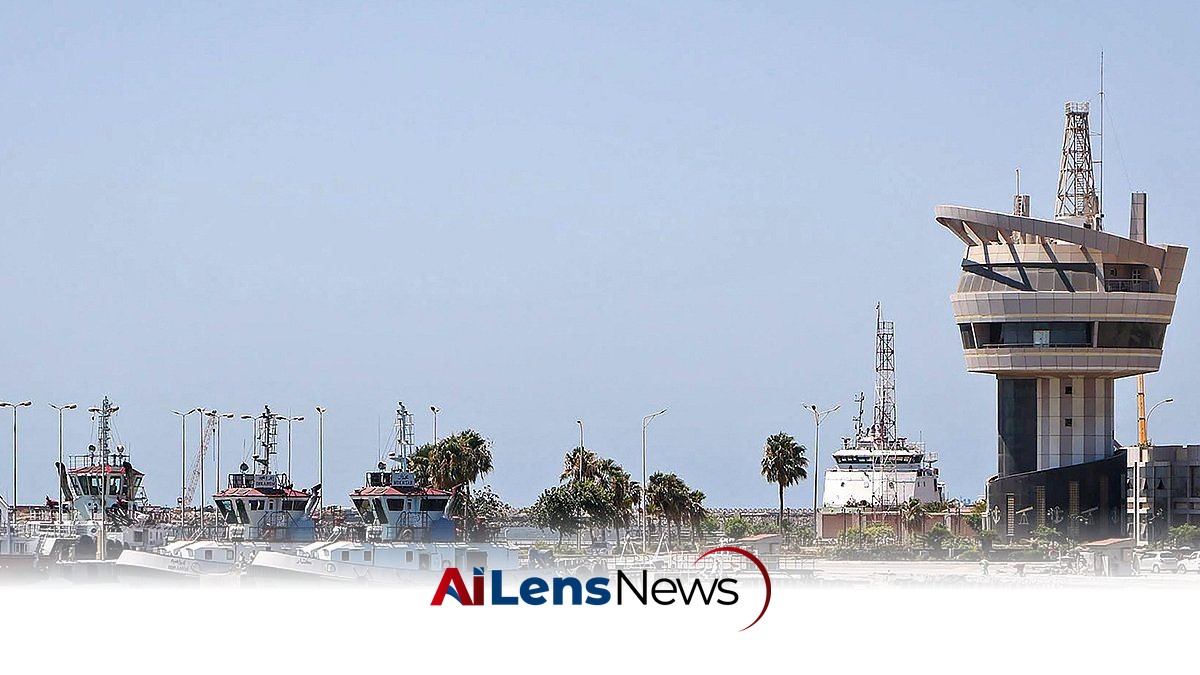


The recent strike at Egypt's Damietta port underscores the vulnerability of US maritime interests and trade routes, particularly in light of escalating tensions with Iran.
Abu Dhabi, United Arab Emirates Jul 31, 2026 ALN: The ongoing strike at Egypt's Damietta port has raised alarms regarding the vulnerability of American interests in the region. This incident highlights the precarious nature of key maritime routes amid rising tensions between the US and Iran. The Damietta port is a critical hub for shipping and trade in the Eastern Mediterranean, and disruptions here can have a ripple effect on global supply chains, particularly for energy resources.
According to analysts, the attack on a US-owned gas vessel in the port serves as a stark reminder of the risks faced by American assets in the Middle East. The vessel's attack underscores the potential for escalating hostilities in an area already fraught with geopolitical tensions, particularly between the United States and Iran, whose influence in the region has been a source of concern for Washington. This incident is not isolated; it fits into a broader pattern of maritime insecurity in the region, where vessels have previously faced threats from various non-state actors and state-sponsored aggression.
The situation has prompted major shipping companies to reroute their trade away from the Gulf, leading to a significant increase in traffic through Egyptian ports this year. The shift in shipping routes reflects a growing wariness among companies about the safety of their vessels in traditional shipping lanes. The Strait of Hormuz, through which a significant percentage of the world's oil supply passes, has been particularly vulnerable to threats, making alternative routes like those through Egypt increasingly attractive.
Data from risk intelligence firm Vortexa and ship tracker MarineTraffic indicates that many shipping lines are actively avoiding the Strait of Hormuz and the Gulf, opting instead for alternative routes that include Egypt. This shift could have long-term implications for US maritime interests and regional trade dynamics. The rerouting of shipping traffic not only affects the immediate economic landscape but also signals a potential realignment of trade partnerships and alliances in the region.
The implications of these developments extend beyond immediate shipping concerns. The US has long maintained a strategic military presence in the Gulf, aimed at ensuring the free flow of trade and the protection of its allies. However, as shipping companies adapt to the changing landscape, the US may need to reassess its military posture and diplomatic strategies in the region. This could involve increasing naval patrols or enhancing partnerships with regional allies to secure maritime routes.
Furthermore, the economic ramifications of the strike and subsequent rerouting of trade could be significant. The Damietta port is a vital economic asset for Egypt, contributing to its GDP and providing employment for thousands. Prolonged disruptions could exacerbate existing economic challenges in Egypt, which has been grappling with inflation and currency devaluation. The Egyptian government may find itself under pressure to restore order at the port, balancing the demands of striking workers with the need to maintain international trade flows.
Additionally, the strike and the attack on the US vessel could have broader implications for US-Egypt relations. Historically, Egypt has been a key ally of the United States in the region, receiving substantial military and economic aid. However, the current situation could strain these ties if the US perceives that Egypt is unable or unwilling to safeguard American interests. Conversely, if Egypt successfully resolves the labor dispute and restores normal operations at the port, it could strengthen its position as a reliable partner for the US in managing regional trade and security.
As tensions escalate, the US must navigate these challenges carefully to protect its economic and strategic interests in the region. This may involve diplomatic outreach to both Egypt and other regional players to ensure that maritime security is prioritized. The US could also consider engaging in multilateral discussions with allies to address the broader security concerns in the Gulf and to formulate a coordinated response to threats against shipping and trade.
In conclusion, the strike at Damietta port is emblematic of the complex interplay between labor issues, geopolitical tensions, and international trade. The situation underscores the vulnerability of American interests in a region where stability is often elusive. As shipping companies adapt to new realities, the US will need to remain vigilant and proactive in addressing the risks posed by rising tensions and ensuring the continued flow of trade through critical maritime routes.
To understand the broader implications of this strike, it is essential to consider the historical context of labor relations in Egypt. The Damietta port strike is not the first of its kind; labor unrest has been a recurring theme in Egypt's recent history, particularly following the Arab Spring in 2011. Workers in various sectors have increasingly sought better wages and working conditions, leading to a series of strikes and protests. The government's response to these labor movements has varied, ranging from concessions to crackdowns, but the underlying issues of economic hardship and discontent remain prevalent.
The economic challenges facing Egypt have been exacerbated by external factors, including the COVID-19 pandemic and the global supply chain disruptions that followed. Inflation rates have surged, and the Egyptian pound has faced significant devaluation, creating a precarious economic environment for many citizens. As such, the demands of the striking workers at Damietta port may reflect not only labor grievances but also broader societal frustrations with the government's economic policies and the cost of living.
Moreover, the geopolitical landscape surrounding Egypt adds another layer of complexity to the situation. The US has traditionally viewed Egypt as a cornerstone of its Middle Eastern policy, particularly in relation to counterterrorism efforts and the stabilization of the region. However, the rise of new players, such as China and Russia, who are increasingly engaging with Egypt and other countries in the region, could shift the balance of influence. This dynamic may compel the US to reassess its strategies and strengthen its partnerships, not only with Egypt but also with other nations in the Eastern Mediterranean.
In light of these factors, the US response to the Damietta port strike and the related security concerns will be critical in shaping future relations with Egypt and the broader region. A measured approach that acknowledges the legitimate grievances of workers while also emphasizing the importance of stability and security in maritime trade could help foster a more constructive dialogue between the US and Egyptian authorities.
As the situation develops, the international community will be closely monitoring the actions taken by both the Egyptian government and the US. The ability of Egypt to effectively manage the strike and restore normal operations at Damietta port will not only impact its domestic economic conditions but also its standing as a reliable partner in the eyes of the US and other global players. The outcome of this labor dispute could set a precedent for how similar situations are handled in the future, both in Egypt and across the region.
To learn more about the latest developments in Crime & Law, stay updated with our exclusive reports and analyses on AiLensNews.

