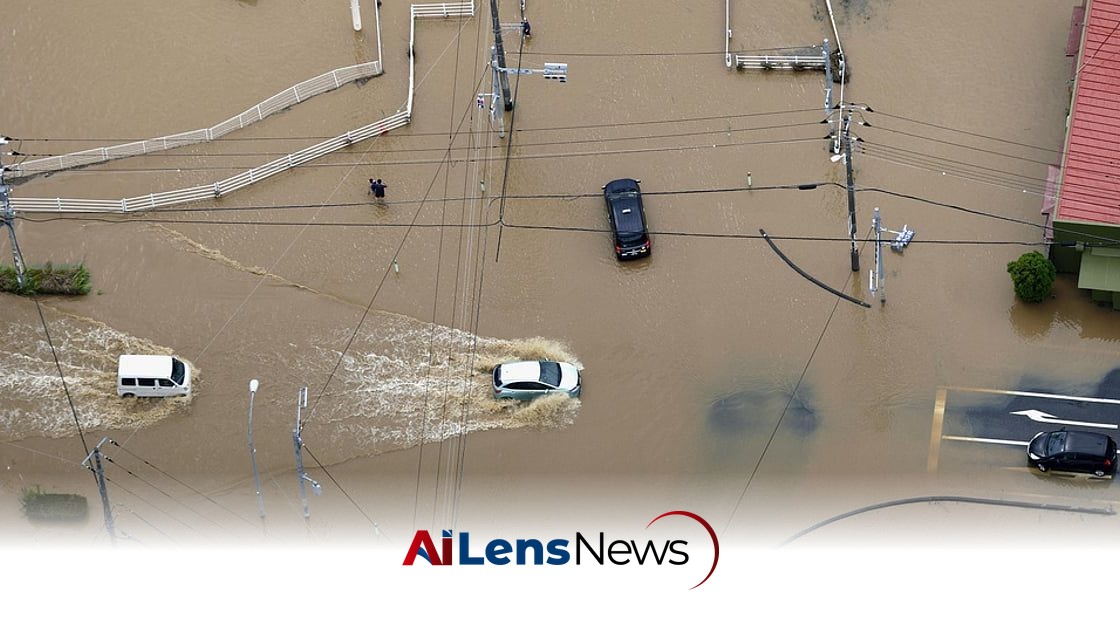


Heavy rains in eastern Japan have resulted in nine fatalities, with unprecedented flooding affecting thousands of homes and disrupting transport.
Abu Dhabi, United Arab Emirates Aug 16, 2026 ALN: Heavy rain that battered eastern Japan has left nine people dead, public broadcaster NHK reported on Sunday, following an "unprecedented" deluge that flooded over a thousand homes and caused significant disruptions to roads and rail services. The severe weather has raised alarms across the region, highlighting the growing concerns regarding climate change and its impact on weather patterns.
Torrential downpours, which began late Thursday, triggered landslide warnings and power outages, prompting forecasters to issue the highest-level heavy rain warning for the Chiba region for the first time. This unprecedented weather event has not only affected Chiba but has also put neighboring areas on high alert, as the potential for further rainfall remains a concern. The Japan Meteorological Agency (JMA) has been closely monitoring the situation, providing updates to residents and urging caution as the rains continued to pose significant risks.
A weather station in the prefecture recorded 30 centimeters (nearly 12 inches) of rain in just 24 hours, marking the area's wettest August in six decades. Such extreme rainfall is not just a statistical anomaly; it reflects a worrying trend in Japan's weather patterns, with scientists attributing the increasing severity of storms to climate change. The intensity of rainfall has been shown to correlate with rising global temperatures, which have led to more moisture in the atmosphere.
By Friday morning, the city of Chiba had logged more than three times the rainfall typically seen throughout the entire month of August, according to Tokyo's land ministry. This dramatic increase in precipitation has overwhelmed local infrastructure, leading to widespread flooding and damage. As the rain continued, residents faced the daunting task of navigating through waterlogged streets, with many unable to access essential services and supplies.
As of Sunday morning, NHK reported that nine individuals had died due to the rains, citing its own tally. Chiba's disaster management office had listed eight dead by Saturday evening, with some victims trapped inside submerged cars and others found on flooded streets. The loss of life underscores the severe impact of the flooding, as families and communities grapple with the aftermath of this disaster.
Over 70 houses across the Chiba region were partially destroyed by the rain, according to the prefecture's latest report. Additionally, more than a thousand households reported flooding, with nearly 600 experiencing water levels that surged above the floorboards. This destruction has left many families displaced, as they seek shelter and begin the process of recovery. Local authorities are working diligently to assess the damage and provide assistance to those affected, but the scale of the disaster poses significant challenges.
An estimated 1,200 cars remain abandoned on roads, local media reported, as authorities work to tow them away or use jacks to move them. The presence of these vehicles not only complicates recovery efforts but also poses safety risks as emergency services navigate the flooded areas. The abandonment of cars is a stark reminder of the rapid onset of the flooding, which caught many residents off guard.
An official from Japan's Meteorological Agency stated during a news conference on Thursday that the situation was "shaping up to be an unprecedented level of heavy rain." This statement reflects the urgency of the situation, as officials strive to communicate the gravity of the weather conditions to the public. Scientists have indicated that human-driven climate change is contributing to the increased frequency, duration, and intensity of extreme weather events, making such occurrences more likely in the future.
In related news, Tokyo has reported the highest number of heat-related hospitalizations since 2010, with one fatality attributed to the heat. This juxtaposition of extreme heat and heavy rainfall within the same timeframe highlights the unpredictable nature of climate impacts, as regions may experience extreme conditions in rapid succession. Additionally, thousands of individuals were stranded as heavy rain claimed at least four lives in other parts of Japan. The country has also seen the cancellation of over 120 flights due to the approach of twin storms, further complicating the situation for travelers and residents alike.
The implications of these weather events extend beyond immediate concerns for safety and infrastructure. They raise critical questions about disaster preparedness and response in the face of changing climate patterns. As Japan continues to grapple with the realities of climate change, there is an urgent need for comprehensive strategies to mitigate the impacts of such extreme weather events. This includes investing in resilient infrastructure, improving early warning systems, and fostering community awareness to better prepare for future climate-related disasters.
In conclusion, the recent heavy rainfall in eastern Japan serves as a stark reminder of the increasing volatility of weather patterns attributed to climate change. With lives lost and communities devastated, the need for proactive measures to address these challenges has never been more urgent. As Japan navigates the recovery process, the lessons learned from this disaster will be crucial in shaping future responses to similar events, ensuring that the nation is better equipped to handle the impacts of a changing climate.
To learn more about the latest developments in World News & International Affairs, stay updated with our exclusive reports and analyses on AiLensNews.

