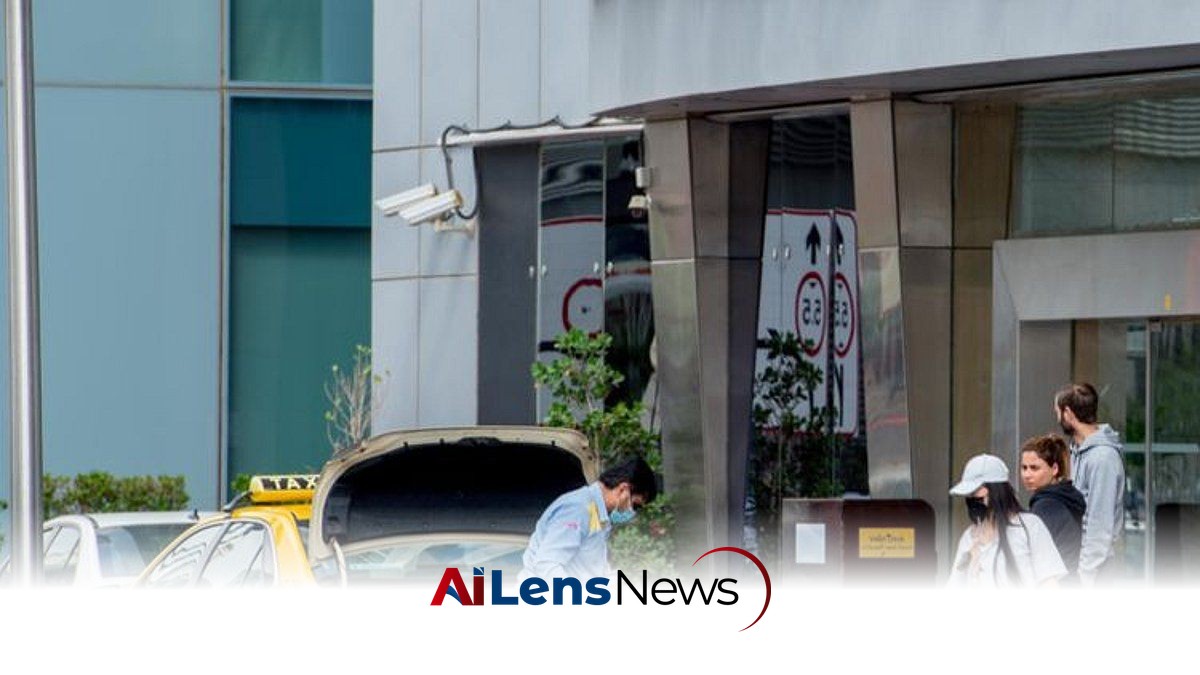


Dubai Taxi Company faces a significant decline in profits due to reduced airport and tourism-related demand, though signs of recovery emerge in June.
Abu Dhabi, United Arab Emirates Jul 24, 2026 ALN: Dubai: The Dubai Taxi Company (DTC) has reported an alarming 90% drop in its profit for the second quarter of the fiscal year, reflecting the adverse effects of weak demand stemming from the ongoing global economic uncertainties. The company, which operates the largest taxi and limousine service in the United Arab Emirates, has been grappling with challenges that have significantly impacted its core businesses, particularly in the context of the tourism and travel sectors.
As the second quarter unfolded, the taxi and limousine market in Dubai began to show signs of recovery by June, with a reduction in the year-on-year decline in trips. The decline in trip volumes improved to 11.2% in June from a staggering 36.7% in April, indicating a gradual recovery as the emirate began to reopen to tourists and business travelers. This recovery is particularly significant for DTC, which relies heavily on both airport and tourism-related demand for its revenue.
The improvement in trip volumes came as a relief to DTC, which completed a total of 10.3 million taxi and limousine trips during the second quarter, down from 13.6 million during the same period last year. Notably, trip volumes saw a substantial increase of approximately 31% between April and June, suggesting that the company is slowly regaining its footing after a tumultuous start to the year.
Despite facing significant challenges during the quarter, DTC remained fully operational throughout the period. The company did not experience any disruptions to its services, even as heightened regional uncertainties emerged in March, which negatively impacted airport and visitor-related activities. This commitment to maintaining operations is crucial for DTC, as it aims to reassure customers and stakeholders of its reliability in a time of uncertainty.
However, the financial repercussions of the challenging operating environment were evident. DTC reported a revenue decline of 22.5% year-on-year, totaling Dh484.5 million for the second quarter, compared to Dh625.1 million in the same period of 2025. The first half of the fiscal year saw a total revenue of Dh1 billion, down from Dh1.2 billion a year earlier, highlighting the stark contrast between the strong demand experienced in January and February and the subsequent downturn from March through the second quarter.
Alfalasi remarked on the challenging operating environment, particularly concerning airport and tourism-related demand, while also reaffirming DTC's commitment to operational stability across all segments and its dedication to serving customers throughout the UAE.
Financially, DTC faced a stark decline in profitability, with quarterly earnings before interest, taxes, depreciation, and amortization (EBITDA) decreasing by 57.2% to Dh77.2 million. The EBITDA margin also contracted significantly, falling to 15.9% from 28.9% during the same period last year. Net profit plummeted to Dh10.4 million, a dramatic decrease from Dh105.4 million in the second quarter of 2025. Cumulatively, the first half of the fiscal year recorded a net profit of Dh61.1 million, while cash and cash equivalents stood at Dh409 million at the end of June.
DTC's financial health is further illustrated by its net debt-to-EBITDA ratio of 1.1 times, which the company has characterized as a conservative level, suggesting that it maintains a manageable level of debt relative to its earnings.
The decline in trip volumes had a significant impact on DTC's revenue streams. Taxi revenue dropped to Dh396.8 million from Dh539.7 million, while limousine revenue fell to Dh24.5 million from Dh30.5 million. The improvement in taxi trip volumes during June, which were 30.9% higher than in April, indicates a potential turnaround, but the overall impact of lower trip volumes on profitability remains a pressing concern.
In contrast to the challenges faced by the taxi and limousine segments, DTC's performance in other areas remained more stable during the quarter. Bus revenue saw a modest increase of 2.3% year-on-year, totaling Dh32 million, largely supported by long-term government contracts. Additionally, the delivery bike segment experienced remarkable growth, with revenue rising by 53.1% to Dh27.9 million, driven by sustained demand across the UAE’s on-demand delivery market. This diversification of services may help cushion DTC against fluctuations in the traditional taxi market.
As of the end of June, DTC’s total operating fleet had expanded to 11,928 vehicles, which includes a taxi fleet of 6,522 vehicles. Notably, the fleet now features 669 fully electric vehicles, reflecting DTC's commitment to sustainability and ongoing investment in fleet electrification.
DTC has also been proactive in expanding its market presence. In April, the company acquired an additional 600 taxi license plates through a Dubai Roads and Transport Authority auction, increasing its market share in Dubai to 46%, prior to the inclusion of National Taxi. Furthermore, DTC has extended its services into Ajman and has rolled out the Bolt platform in Abu Dhabi, initially offering limousine services with plans to expand into taxi services in the future. This strategy is part of DTC's broader objective to establish a comprehensive multi-emirate mobility platform.
Following the reporting period, DTC completed its acquisition of National Taxi, effectively consolidating its position as the UAE’s largest taxi operator. The combined business now boasts an approximate 59% market share in Dubai and about 12% in Abu Dhabi, with a total taxi fleet exceeding 9,000 vehicles. DTC anticipates that this acquisition will positively contribute to earnings from the first full year of ownership, supported by operational synergies that can be realized through the integration of services and resources.
In light of the current operating environment, DTC's board has decided to defer any shareholder distribution for the 2026 financial year until year-end, instead of adhering to its customary semi-annual payment cycle. This strategic decision is intended to provide the company with greater flexibility to balance financial resilience, long-term growth investments, and shareholder returns during a period of uncertainty.
Additionally, the Roads and Transport Authority (RTA) has recalibrated monthly taxi vehicle fees covering the period from March to May, resulting in Dh25.6 million in fee reductions across DTC’s taxi fleets. This financial benefit is expected to be recognized in the company’s third-quarter results and will help to partially offset the negative impact of weaker mobility demand during this period.
As Dubai continues to navigate the complexities of the post-pandemic landscape, the performance of DTC serves as a barometer for the broader transportation sector within the emirate. The company's ability to adapt to changing market conditions, invest in new technologies, and expand its service offerings will be critical in determining its future success and resilience in an increasingly competitive environment.
To learn more about the latest developments in Economy, stay updated with our exclusive reports and analyses on AiLensNews.

