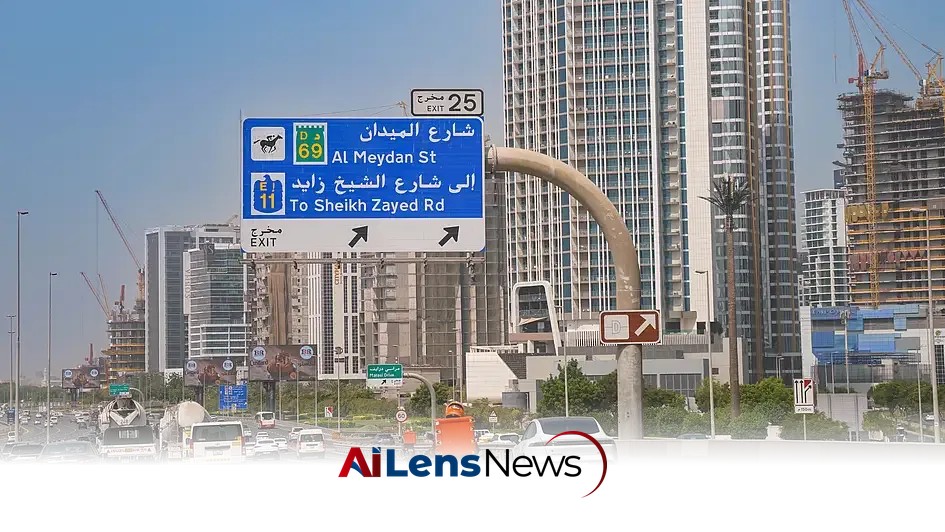


The Roads and Transport Authority in Dubai announces new lanes on Ras Al Khor and Al Khail roads, improving road efficiency by 20%.
Abu Dhabi, United Arab Emirates Jul 29, 2026 ALN: The Roads and Transport Authority (RTA) in Dubai has announced the opening of new lanes on Ras Al Khor and Al Khail roads, aimed at enhancing traffic flow and reducing congestion for motorists. This development is part of the city's ongoing efforts to improve its transportation infrastructure and ensure a smoother driving experience for residents and visitors alike.
Dubai has been experiencing rapid growth over the past few decades, leading to increased population density and a surge in vehicle ownership. The city's strategic location as a global business hub and tourist destination has further exacerbated traffic congestion, particularly during peak hours. In response, the RTA has been proactive in implementing measures to address these challenges, including expanding road networks and integrating smart technologies into traffic management systems.
According to RTA officials, the improvements are expected to boost road efficiency by approximately 20 percent. This significant enhancement will not only save time for drivers but also contribute to overall road safety by minimizing bottlenecks and reducing the likelihood of accidents. Traffic congestion is not merely an inconvenience; it can lead to increased fuel consumption, higher emissions, and significant economic costs due to lost productivity. Therefore, enhancing traffic flow is essential for both environmental sustainability and economic efficiency.
The newly opened lanes feature advanced traffic management systems designed to optimize vehicle flow. These systems include:
Motorists have expressed optimism about the new lanes, anticipating reduced travel times during peak hours. The RTA's initiative aligns with Dubai's vision of becoming a smart city, where technology and infrastructure work hand in hand to improve the quality of life for its residents. The integration of smart technologies not only enhances traffic flow but also provides valuable data that can be used for future planning and development.
In addition to the new lanes, the RTA has also committed to ongoing maintenance and upgrades of existing roadways to ensure they meet the growing demands of the city's population. Regular maintenance is essential for preserving the quality of infrastructure, preventing deterioration, and ensuring safety for all road users.
The new lanes are expected to benefit not only daily commuters but also businesses that rely on efficient transportation for logistics and supply chain operations. Reduced travel times can lead to quicker deliveries and improved customer service, contributing to the overall economic vitality of the region.
Looking ahead, the RTA plans to continue expanding and enhancing Dubai's road network. Future projects may include further lane additions, improved public transport options, and the integration of smart technologies to facilitate seamless travel across the city. The RTA has indicated that it will explore innovative solutions, such as autonomous vehicles and smart parking systems, to further alleviate traffic congestion and enhance the urban mobility experience.
As Dubai continues to grow, such infrastructure improvements are vital in maintaining efficient transportation systems that cater to the needs of its diverse population. The city's leadership recognizes that a robust transportation network is critical for supporting economic growth, enhancing connectivity, and improving the quality of life for residents.
In conclusion, the opening of new lanes on Ras Al Khor and Al Khail roads marks a significant step towards enhancing road efficiency in Dubai, promising a more streamlined travel experience for all motorists. As the RTA continues to innovate and adapt to the changing needs of the city, residents can look forward to a future where transportation is not only efficient but also sustainable, contributing to the overall well-being of the community.
To understand the broader implications of these developments, it is essential to consider the context in which they occur. The rapid urbanization of Dubai has necessitated a comprehensive approach to transportation planning. The RTA's initiatives are not just about addressing current traffic issues but are part of a larger vision to create a sustainable urban environment. This includes reducing reliance on personal vehicles and promoting public transport as a viable alternative.
Moreover, the integration of smart technologies into the traffic management system reflects a global trend towards digitization in urban planning. Cities around the world are increasingly leveraging data analytics and smart infrastructure to improve traffic flow and enhance urban mobility. Dubai's investment in these technologies positions it as a leader in smart city initiatives, setting a benchmark for other cities facing similar challenges.
Additionally, the RTA's focus on sustainability is evident in its commitment to reducing carbon emissions through enhanced public transport options. By encouraging the use of buses and other forms of public transit, the RTA aims to decrease the number of vehicles on the road, thereby contributing to cleaner air and a healthier environment. This aligns with global efforts to combat climate change and promote sustainable urban development.
Furthermore, the economic implications of improved traffic flow cannot be overstated. Efficient transportation systems are crucial for businesses, particularly those in logistics and supply chain management. Reduced travel times can lead to significant cost savings and increased productivity, which are vital for the competitiveness of Dubai's economy. As a major global trade hub, ensuring that goods and services can move swiftly and efficiently is essential for maintaining Dubai's status in the global marketplace.
In summary, the opening of new lanes on Ras Al Khor and Al Khail roads is a significant milestone in Dubai's ongoing journey towards a more efficient, sustainable, and integrated transportation system. The RTA's proactive measures not only address immediate traffic concerns but also lay the groundwork for future developments that will enhance the quality of life for all residents and visitors. As Dubai continues to evolve, such infrastructure improvements will play a pivotal role in shaping the city's transportation landscape for years to come.
To learn more about the latest developments in Transport & Mobility, stay updated with our exclusive reports and analyses on AiLensNews.

