

As the US intensifies airstrikes on Iranian targets, Britain declares its armed forces ready to defend against potential Iranian retaliation linked to UK bases.
Abu Dhabi, United Arab Emirates Jul 24, 2026 ALN: Tensions between the United States and Iran have escalated significantly, particularly over the course of the past few days. Central Command forces conducted a 13th consecutive night of airstrikes targeting Iranian military positions, which has raised alarms not only in the region but also across Europe. In response to the increasing threats from Iran, the United Kingdom has declared its armed forces ready to defend the homeland, particularly in light of Iranian threats that have linked the use of UK bases for US military operations to potential retaliatory actions.
This escalation comes amid a substantial military buildup by the United States in the Middle East, where troop levels have surged to over 50,000. This force includes not only combat personnel but also additional support staff and combat medics, indicating a comprehensive approach to military readiness in the region. President Trump has issued stern warnings that if Iran continues to threaten commercial shipping in the strategically important Strait of Hormuz, civilian infrastructure could become a target for US strikes.
Get updated faster and for FREE: Download the Gulf News app now - simply
The current hostilities trace their roots back to a military campaign initiated by the US and Israel, which began in late February 2026. This campaign was sparked by longstanding disputes over Iran's nuclear ambitions, its regional proxy activities, and broader security concerns. What started as a series of targeted strikes has now evolved into a sustained air campaign marked by fragile ceasefire attempts, retaliatory exchanges, and economic pressures that have included disruptions to vital shipping lanes.
In a notable development, Iran’s Islamic Revolutionary Guard Corps (IRGC) has declared British military installations that host US operations as "legitimate targets." This declaration specifically mentions RAF Fairford, a base from which B-1 bombers have been launched for strikes against Iranian targets. This marks a significant broadening of the conflict, indicating that it may extend beyond the Middle East and into Europe, thus raising the stakes for British involvement.
British officials have responded to these threats with a defiant stance, asserting that the country’s armed forces are prepared to counter any aggression directed at them. A senior British defense source emphasized that the military is ready to ensure the safety of the United Kingdom from any kind of attacks, whether they originate from within the country or abroad. The government led by Prime Minister Andy Burnham has approved US access to British bases for operations against Iran, further entrenching the UK's role in this escalating conflict.
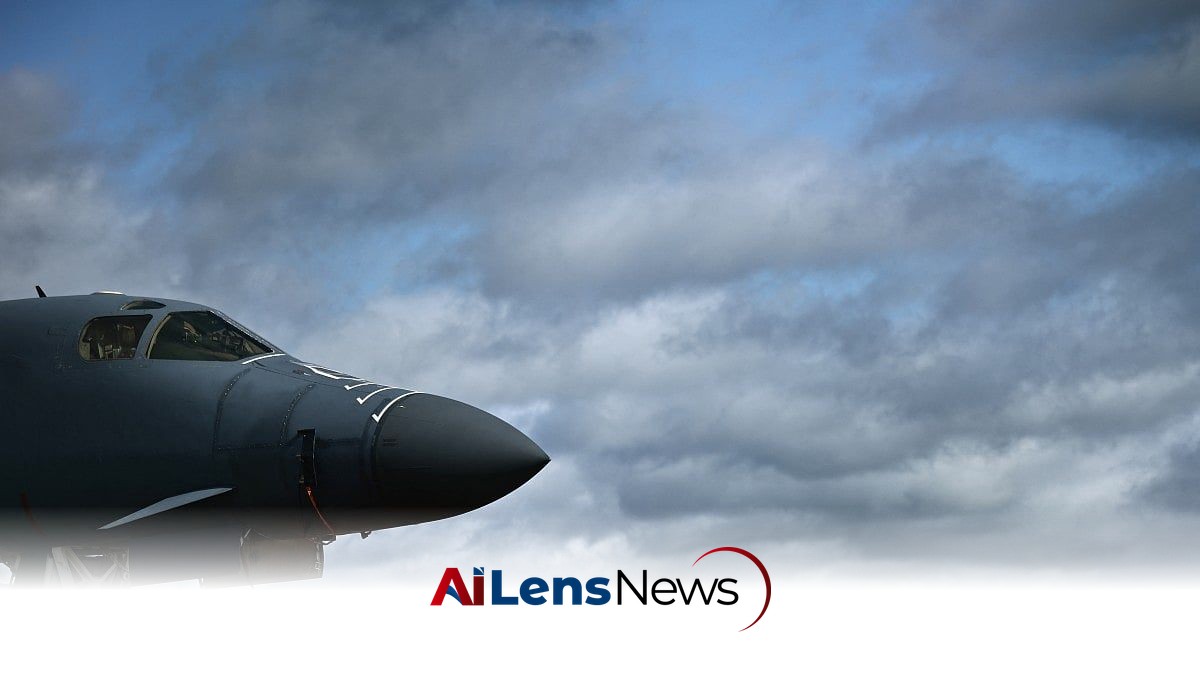
The involvement of the UK in this conflict has raised questions about the broader implications for NATO and other allies. The deployment of US B-1 Lancer bombers from RAF Fairford represents the first time British soil has been used for such operations in this ongoing conflict. These supersonic bombers, capable of carrying substantial conventional payloads, have significantly enhanced the long-range strike capabilities of American operations against Iran.
The UK’s role has been framed as a supportive one, aimed at “defensive” operations to protect allies and ensure the safety of global commerce. However, the direct threats from Tehran have complicated this narrative, placing British forces in a more precarious position. The potential for retaliatory strikes against UK installations adds a layer of complexity to the situation, as British forces must now prepare for a more active role in the conflict.
The Pentagon has been steadily reinforcing its military presence across the Gulf and the broader region. US Central Command has characterized the ongoing airstrikes as part of a strategy to degrade Iran’s missile capabilities, drone facilities, air defenses, and maritime assets that are used to harass commercial vessels in the region. This comprehensive approach underscores the seriousness with which the US is treating the threats posed by Iran.
President Trump has adopted an increasingly blunt tone in public remarks, emphasizing that continued Iranian threats to shipping could lead to strikes on civilian infrastructure. This rhetoric not only escalates tensions but also underscores the US administration's commitment to ensuring safe navigation through the Strait of Hormuz, a critical chokepoint for global oil flows. The Strait is vital not just for Iranian oil exports but also for the economies of many nations that rely on oil transported through this narrow waterway.
Iranian officials, including Foreign Minister Seyed Abbas Araghchi, have condemned the US strikes and the broader military actions undertaken by Washington. They have also cited disputes over frozen Iranian assets as a contributing factor to the current tensions. Despite these challenges, Iranian leadership has maintained a posture of resilience, warning of consequences for any countries that assist the US in its military endeavors against Iran.
Strikes continue: US forces have continued to hit Iranian military sites for a 13th straight night, focusing their efforts on capabilities that threaten maritime traffic in the region.
Troop surge: The number of American personnel in the region has now surpassed 50,000, with recent deployments emphasizing sustainment and medical support to ensure operational readiness.
UK on alert: The United Kingdom has confirmed its military readiness following Iranian designations of British bases as potential targets. The operations of B-1 bombers from UK soil represent a significant escalation in the allied exposure to Iranian threats.
Diplomacy: Efforts at de-escalation appear to be stalled, with both the US and Iran trading accusations and maintaining maximalist public positions. Despite this, back-channel communications through intermediaries continue in an attempt to find a resolution to the ongoing conflict.
As the situation continues to develop, the implications for regional stability, international relations, and the potential for further military engagement remain significant. The interplay of military readiness, diplomatic efforts, and public posturing will likely shape the trajectory of this conflict in the coming weeks and months.
To learn more about the latest developments in Crime & Law, stay updated with our exclusive reports and analyses on AiLensNews.

